11 Deep-Space Propulsion Concepts for Interstellar Surveillance

The race to monitor deep space is no longer purely a scientific ambition — it has become a strategic imperative for governments and defense agencies operating well beyond Earth’s orbit. Surveillance infrastructure that once relied on near-Earth assets is now pushing toward interstellar distances, demanding propulsion technologies that simply did not exist in practical form until recently.
Most people assume chemical rockets remain the backbone of space exploration, but that assumption collapses the moment mission planners confront the staggering distances involved in interstellar surveillance. The 11 deep-space propulsion concepts below represent the cutting edge of what engineers, physicists, and defense strategists are actively developing and debating in 2026.
1. Ion Drive Systems for Extended Mission Duration and Fuel Efficiency
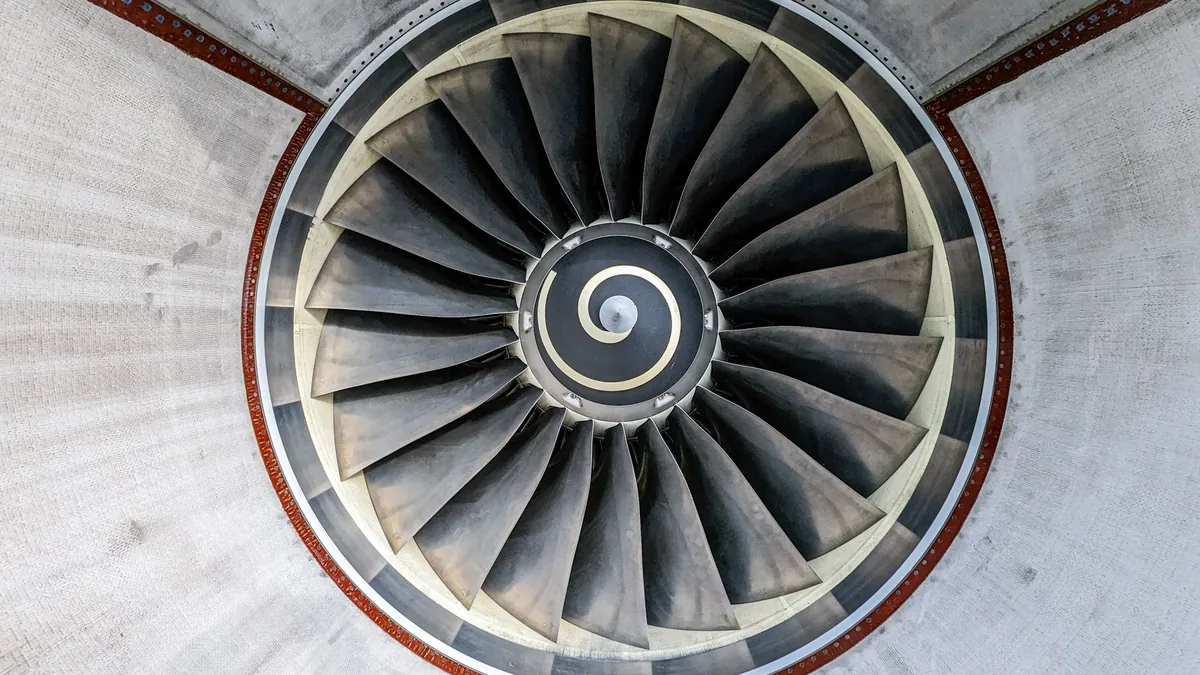
Ion drives expel charged particles at extraordinary velocities, generating continuous low thrust over mission durations measured in years rather than days. This makes them ideal for surveillance probes requiring persistent orbital positioning far beyond the asteroid belt. Their fuel efficiency outperforms chemical rockets by a factor of 10 or more.
- Key Reality: Ion engines deliver specific impulse values exceeding 10,000 seconds, versus roughly 450 seconds for conventional chemical propulsion.
2. Nuclear Thermal Propulsion for Rapid Deep-Space Acceleration
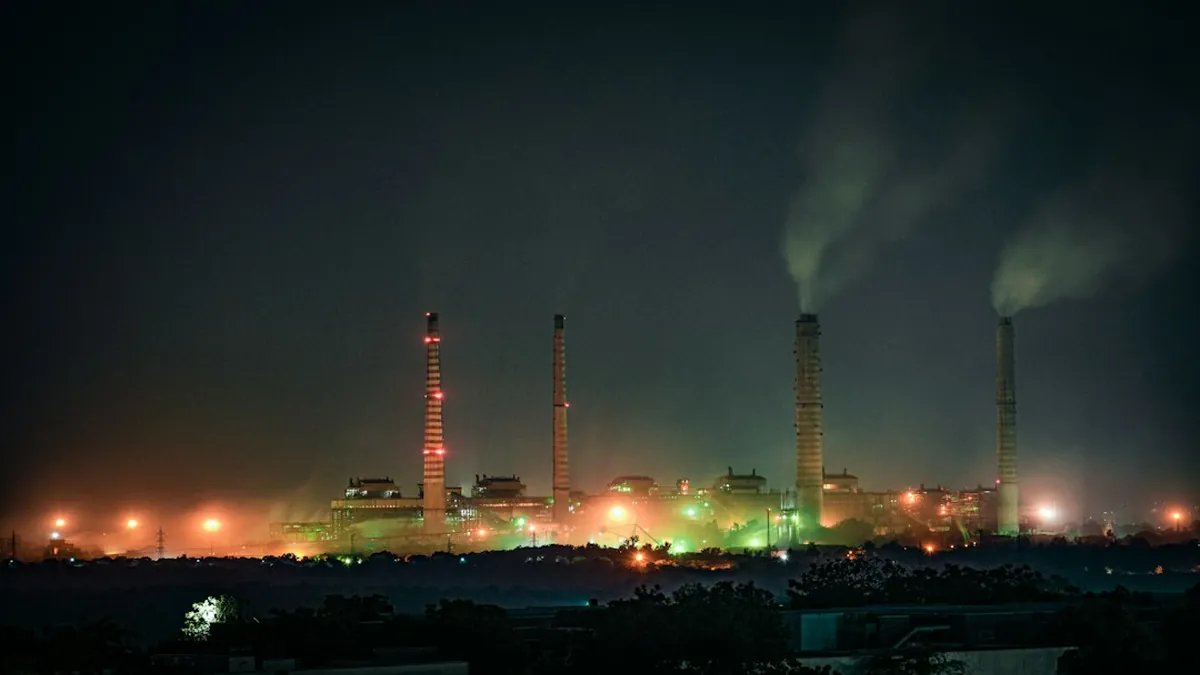
Nuclear thermal propulsion heats propellant using a fission reactor, producing thrust levels that dramatically cut transit times to the outer solar system. Defense planners view this as a near-term solution for deploying surveillance assets to Jupiter’s orbital neighborhood within years rather than decades. Several agencies have active development contracts in 2026.
- Key Reality: Nuclear thermal engines can achieve specific impulse values of around 900 seconds — roughly twice that of the best chemical rockets.
3. Solar Sail Technology Harnessing Photon Pressure for Continuous Thrust

Solar sails require zero onboard fuel, using radiation pressure from sunlight to accelerate spacecraft over vast distances with no propellant cost. Their effectiveness diminishes beyond the frost line, but laser-boosted variants address this limitation directly. Lightweight surveillance payloads make solar sails a genuinely viable interstellar option.
- Key Reality: A laser-boosted sail could theoretically accelerate a small probe to 20% the speed of light.
4. Antimatter Engines Enabling Theoretical Maximum Energy Conversion
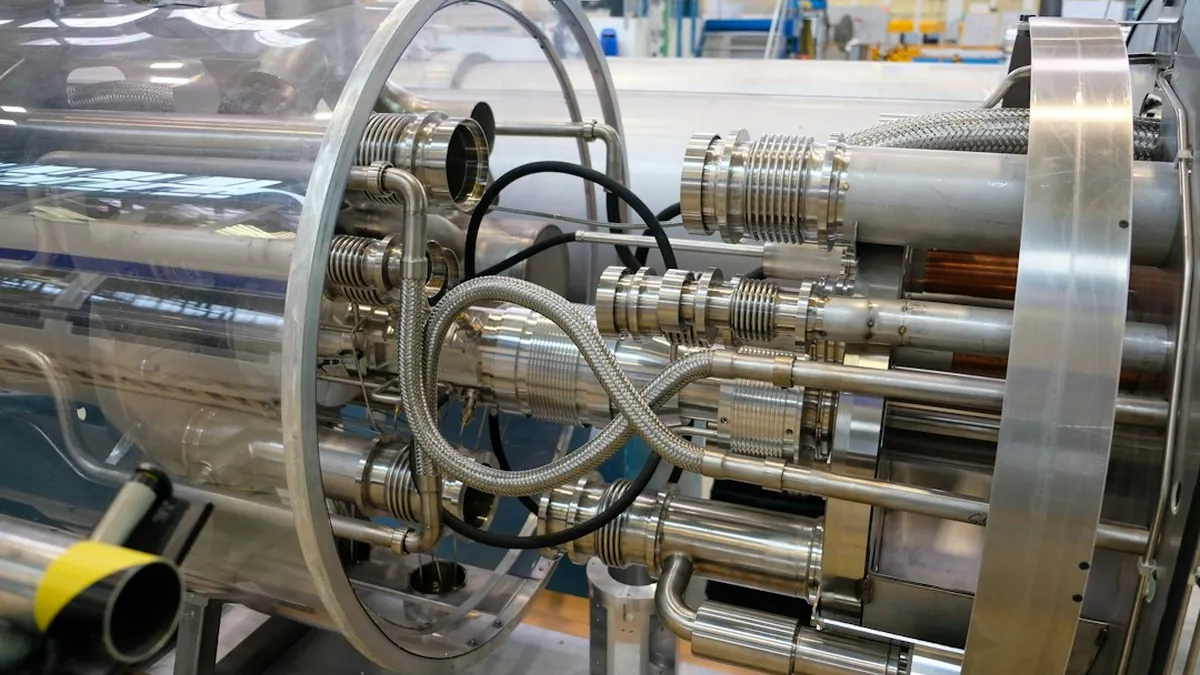
Antimatter annihilation releases energy with 100% mass-to-energy conversion efficiency, making it the most energy-dense propulsion concept physically possible. Even milligram quantities of antihydrogen could propel a surveillance craft to a significant fraction of light speed. Production costs remain the central barrier, currently running into billions of dollars per microgram.
- Key Reality: Producing 1 gram of antimatter using current methods would cost an estimated 62.5 trillion dollars.
5. Fusion Rocket Propulsion Combining Stellar Processes with Spacecraft Design
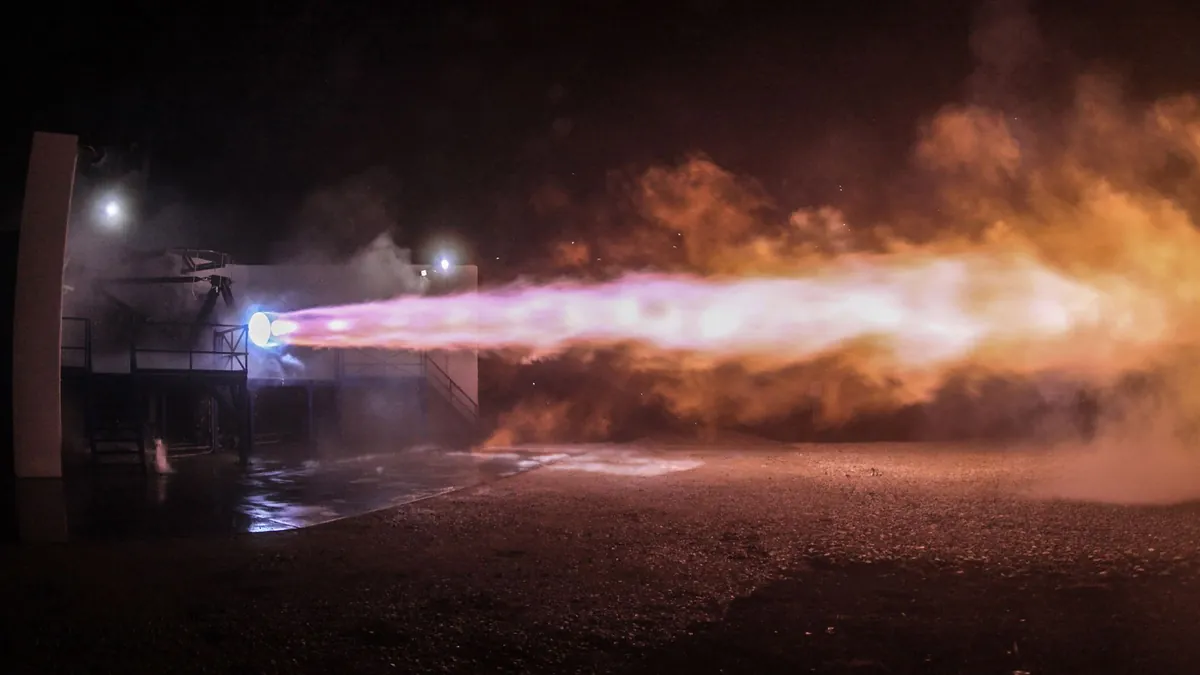
Fusion rockets replicate the energy process powering stars, offering exhaust velocities far beyond any chemical or fission-based system. Compact fusion concepts like inertial confinement designs are being miniaturized for spacecraft applications in 2026. For long-range interstellar surveillance platforms, fusion represents the most credible high-thrust solution on the horizon.
- Key Reality: Fusion propulsion could reduce a Mars transit to under 90 days and an outer-system mission to under 5 years.
6. Plasma Thrusters Utilizing Electromagnetic Field Manipulation
Plasma thrusters ionize propellant and accelerate it using electromagnetic fields, sitting between ion drives and nuclear systems in terms of thrust and efficiency. Hall-effect thrusters, a prominent plasma variant, are already deployed on commercial and government satellites. Their scalability makes them attractive for modular deep-space surveillance constellations — a concept explored alongside satellite swarm architecture in orbital defense planning.
- Key Reality: Hall-effect thrusters operate at specific impulse values between 1,500 and 3,000 seconds with high operational reliability.
7. Beamed Propulsion Systems Powered by External Energy Sources
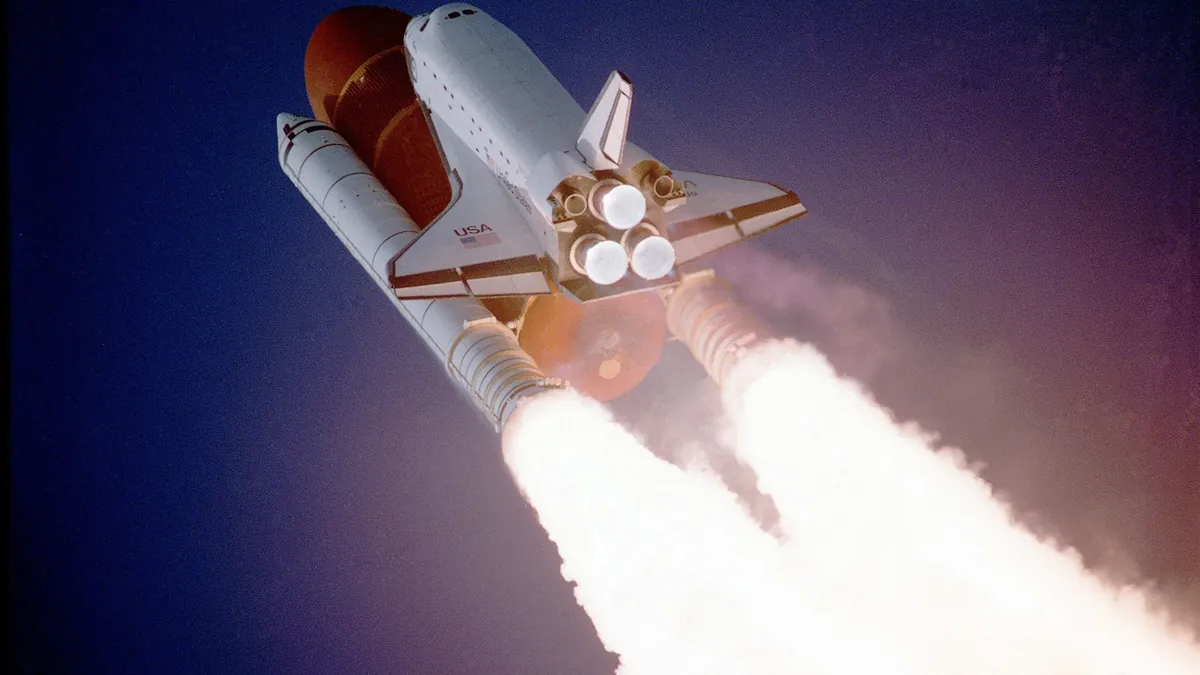
Beamed propulsion decouples the energy source from the spacecraft entirely, transmitting power via high-intensity lasers or microwave beams from ground or orbital stations. This eliminates the propellant mass penalty that cripples conventional rockets on long missions. The Breakthrough Starshot initiative remains the most publicly visible proof-of-concept for this approach.
- Key Reality: A ground-based laser array of roughly 100 gigawatts could accelerate a gram-scale probe to interstellar velocities.
8. Warp Drive Concepts Warping Spacetime for Faster-Than-Light Travel

The Alcubierre metric describes a theoretical spacetime bubble that contracts space ahead and expands it behind a vessel, enabling effective faster-than-light travel without violating relativity locally. Physicists in 2026 continue debating whether exotic matter with negative energy density could ever be produced in sufficient quantities. For interstellar surveillance, warp drive remains theoretical but commands serious academic attention.
- Key Reality: Current models require energy equivalent to the mass of Jupiter converted entirely to exotic matter — far beyond any foreseeable engineering capability.
9. Gravitational Assist Maneuvers Leveraging Celestial Bodies for Velocity Gains
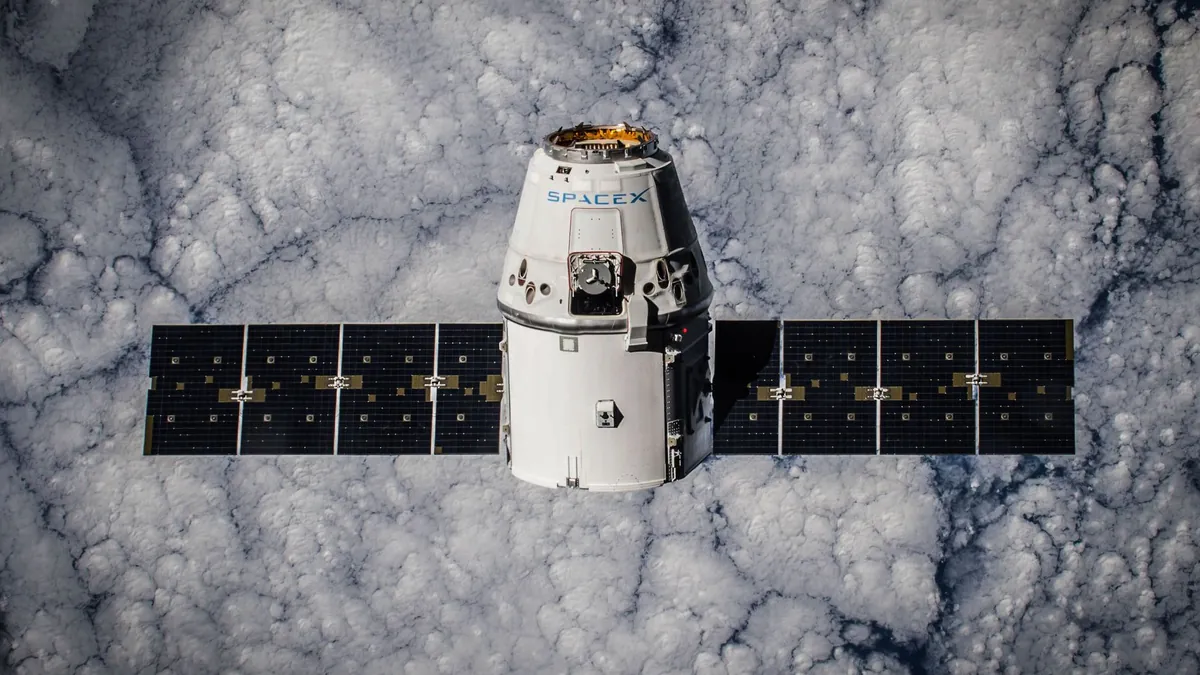
Gravitational assists are not a propulsion system in the traditional sense, but they remain among the most energy-efficient methods for accelerating surveillance probes to deep-space velocities. By threading a spacecraft through precisely calculated planetary flybys, mission designers extract enormous velocity gains at zero fuel cost. Combined with other propulsion concepts, gravity assists multiply mission range dramatically.
- Key Reality: A Jupiter gravity assist can add over 20 kilometers per second to a spacecraft’s heliocentric velocity.
10. Interstellar Ramjet Designs Collecting Interstellar Medium as Fuel
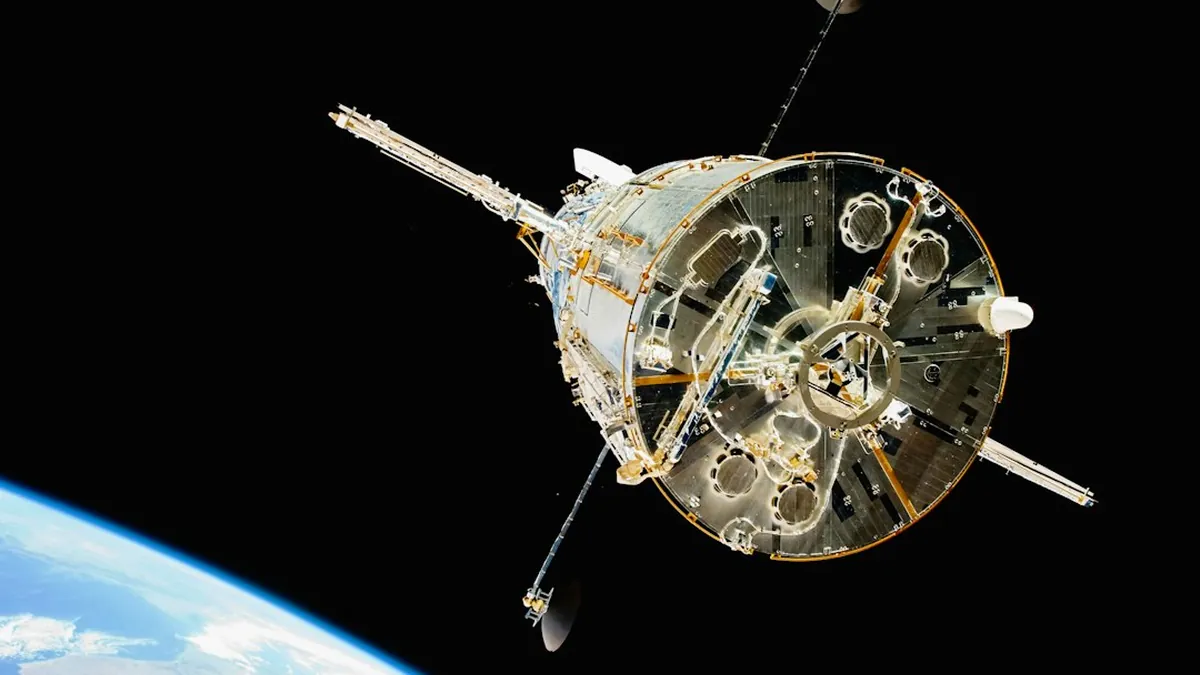
The Bussard ramjet concept proposes scooping hydrogen from the interstellar medium using a vast electromagnetic funnel, feeding a fusion reactor to sustain continuous acceleration. It elegantly solves the propellant-mass problem by harvesting fuel en route. However, the interstellar medium is far sparser than early models assumed, and drag from the scoop may outweigh thrust gains — a challenge researchers are still working to resolve. The overlap between deep-space surveillance infrastructure and military orbital monitoring platforms makes ramjet range potential particularly relevant to defense planners.
- Key Reality: The interstellar medium averages only about 1 hydrogen atom per cubic centimeter, making efficient scooping an enormous engineering challenge.
11. Quantum Vacuum Propulsion Exploiting Zero-Point Energy Fields
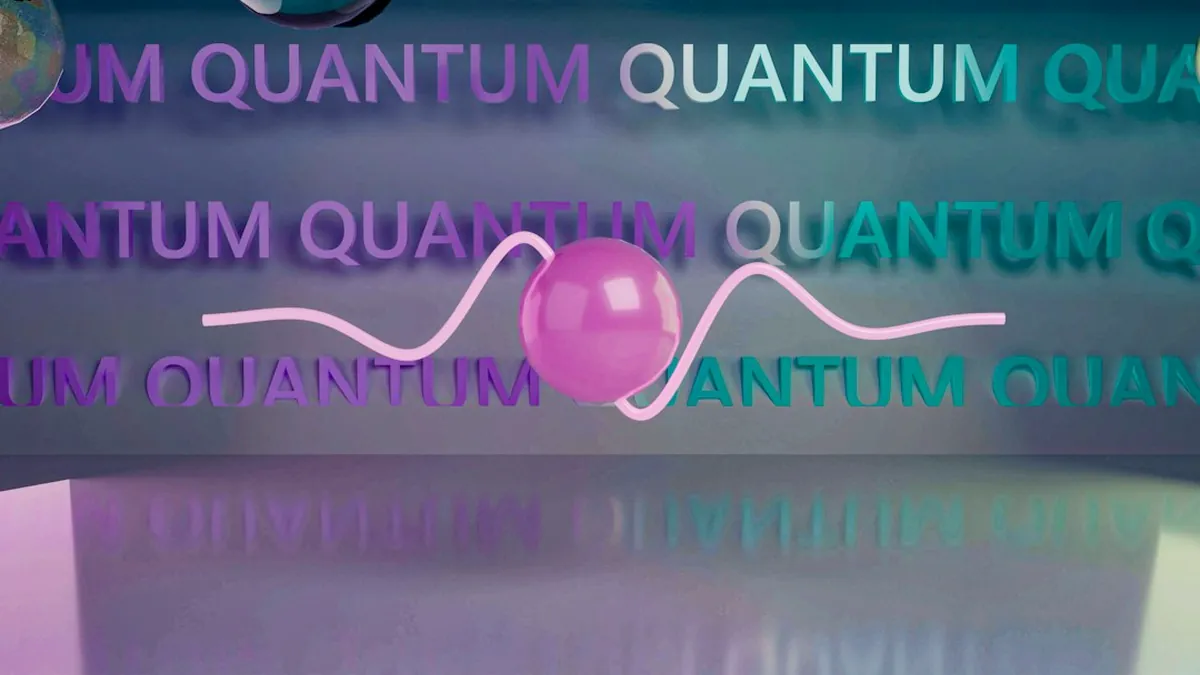
Quantum vacuum propulsion theorizes that the zero-point energy field permeating all of space could be tapped as a propulsive medium, sidestepping the need for any onboard propellant. The physics remain deeply contested, with most mainstream physicists skeptical that usable thrust can be extracted from vacuum fluctuations. Nevertheless, it represents the most radical frontier among all deep-space propulsion concepts currently under theoretical investigation.