Thermal Camouflage Suits: Invisible to Night Sensors

Modern warfare has always been a race between concealment and detection, and for decades, darkness was a soldier’s most reliable ally. That advantage collapsed the moment thermal imaging became standard equipment across military and drone platforms, turning the human body’s natural heat signature into a glowing target visible from hundreds of meters away. The battlefield, quite literally, became transparent at night.
Most people assume camouflage is still a visual problem — a matter of matching patterns to terrain. The reality in 2026 is that visible-light concealment is almost secondary to the far more dangerous infrared spectrum, where conventional camouflage fabric offers zero protection. Soldiers wearing the most sophisticated patterned gear remain completely exposed to thermal optics, which is exactly the vulnerability that next-generation thermal camouflage suits military engineers are now racing to eliminate.
Defeating Infrared Detection Requires Controlling Heat Emission, Not Just Appearance
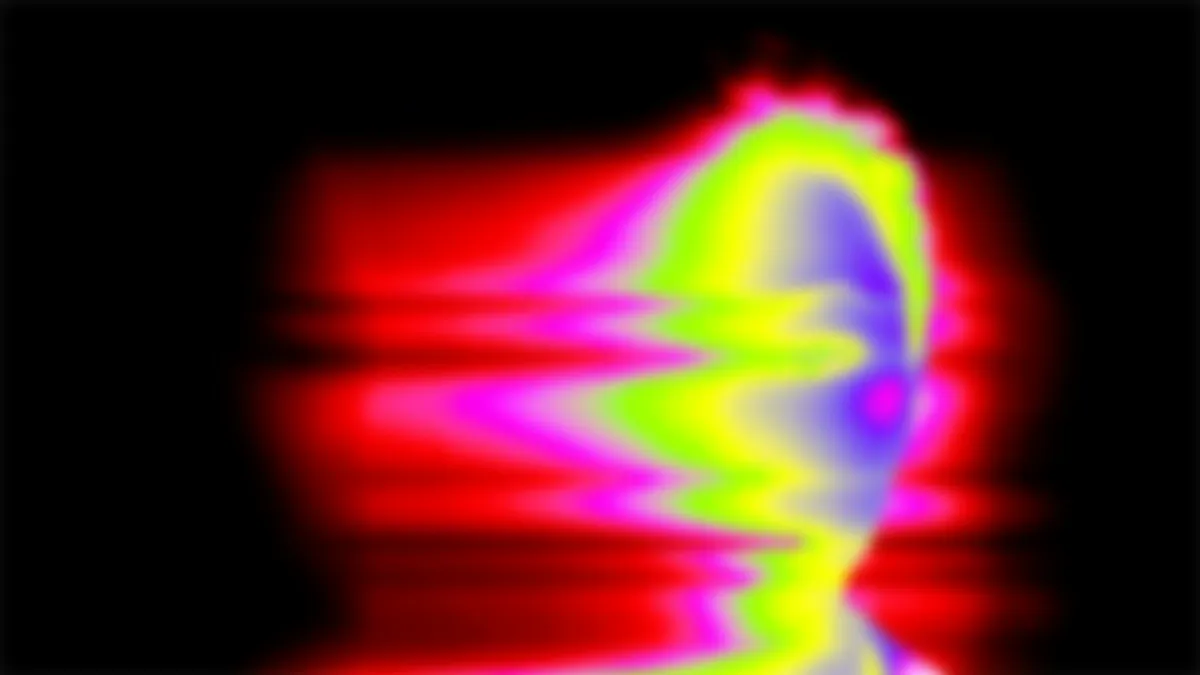
Thermal cameras detect emitted infrared radiation rather than reflected light, meaning the human body — radiating heat at roughly 37 degrees Celsius — creates an unmistakable signature against cooler environments. Thermal camouflage suits work by actively suppressing or redirecting this heat emission so the wearer’s thermal profile blends into the ambient background temperature. This is a fundamentally different engineering challenge from traditional visual concealment.
The most advanced systems use layered metamaterial fabrics capable of selectively emitting infrared radiation at controlled wavelengths, effectively mimicking the thermal signature of surrounding terrain. Some prototypes tested in 2026 have demonstrated suppression rates exceeding 90% of detectable heat output under operational conditions, a figure that would have seemed implausible even 5 years ago. These developments sit alongside broader innovations covered in depth within revolutionary infantry combat suits emerging across multiple defense programs this year.
Operational Deployment Demands More Than Just Thermal Suppression
The practical challenge militaries face is that a suit suppressing heat must also manage the soldier’s core body temperature, since blocking heat dissipation can rapidly cause dangerous overheating during physical exertion. Engineers have responded with active cooling micro-channel systems embedded directly into the suit’s inner lining, circulating temperature-regulated fluid to draw heat away from the body before it can radiate outward. This dual-function requirement has significantly increased the complexity and cost of fielding these systems at scale.
Integration with existing combat gear presents another layer of difficulty, as thermal suits must remain compatible with body armor, communication systems, and load-bearing equipment without compromising the suit’s thermal seal. Defense analysts note that the stealth advantages of thermal concealment are further amplified when combined with electronic deception strategies — a concept explored extensively in electronic warfare signal tactics that complement physical camouflage at the operational level. The convergence of these technologies is reshaping how special operations forces plan and execute night missions.
Thermal camouflage suits represent one of the most consequential leaps in personal soldier survivability since the adoption of body armor, fundamentally altering what it means to be invisible on a modern battlefield. The technology is no longer science fiction — it is an active procurement priority for multiple NATO and allied defense forces in 2026. If you have thoughts on how thermal concealment will reshape infantry tactics, drop them in the comments below.