
LG Blurs the Line Between LCD and OLED with New Micro RGB Evo TV

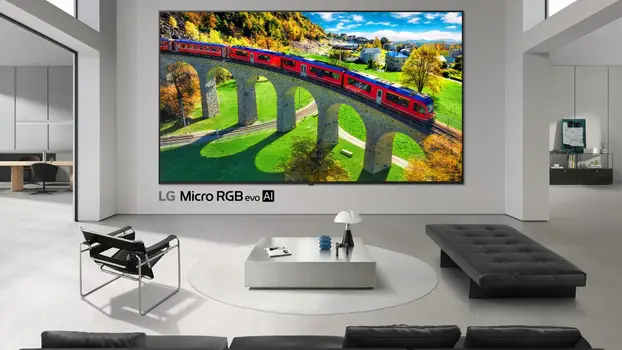
LG Electronics is redefining what premium LCD televisions can do by integrating technology typically reserved for their high-end OLED models. The company recently announced it will unveil the LG Micro RGB evo TV at the upcoming CES in Las Vegas. This new flagship model aims to push the boundaries of picture quality by borrowing precise light-control methods from LG’s decade of OLED development.
The standout feature of the Micro RGB evo is its use of individual red, green, and blue LEDs in the backlight, replacing the traditional white lights found in standard LED TVs. This change allows the screen to achieve a remarkable spectrum of color that previous LCDs could not match. LG claims the display covers 100 percent of the BT.2020 color gamut, a standard used for high-quality broadcast and cinema.
Powering this new display is the Alpha 11 AI Processor 4K Gen3, the same advanced chip used in the company’s 2026 OLED lineup. This processor utilizes artificial intelligence to enhance upscaling and sharpness while maintaining a natural look. It also manages the complex “Micro Dimming Ultra” feature, which controls over a thousand individual zones for superior contrast.
By adapting pixel-level control techniques from their self-emissive displays, LG has significantly reduced the light bleeding often associated with LCD panels. This results in sharper details in both dark shadows and bright highlights. The company believes this offers a differentiated viewing experience that combines the brightness of LED with the refinement of OLED.
The new TV will be available in massive screen sizes, including 75, 86, and 100 inches. LG has designed the Micro RGB evo to serve as a bridge for consumers who want the scale and durability of an LCD without sacrificing color accuracy. It has already been named an Innovation Award winner ahead of its official public debut.
With manufacturers racing to perfect display technology, do you think advanced LCDs like this can finally rival the picture quality of OLED? let us know your opinion in the comments.