High-Altitude Surveillance Balloons: Data Spy Satellites Miss

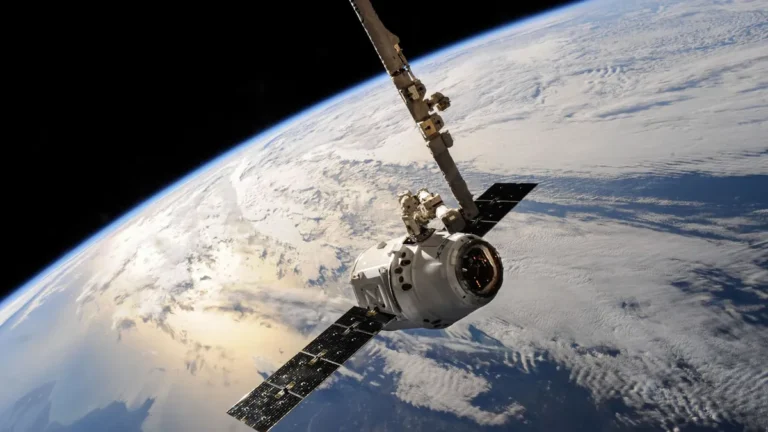
Satellites have long dominated the public imagination as the ultimate eye in the sky — orbiting silently at hundreds of miles above Earth, capturing imagery with breathtaking precision. Governments and defense agencies have poured trillions into orbital infrastructure, treating low-Earth orbit as the gold standard for strategic intelligence gathering.
Yet a quieter, slower, and surprisingly more capable technology has been reclaiming serious attention from military planners and intelligence analysts in 2026. High-altitude surveillance balloons — operating in the stratosphere between 60,000 and 120,000 feet — are filling critical blind spots that even the most advanced satellite constellations cannot resolve.
Stratospheric Positioning Gives Balloons a Persistent Edge Satellites Cannot Match
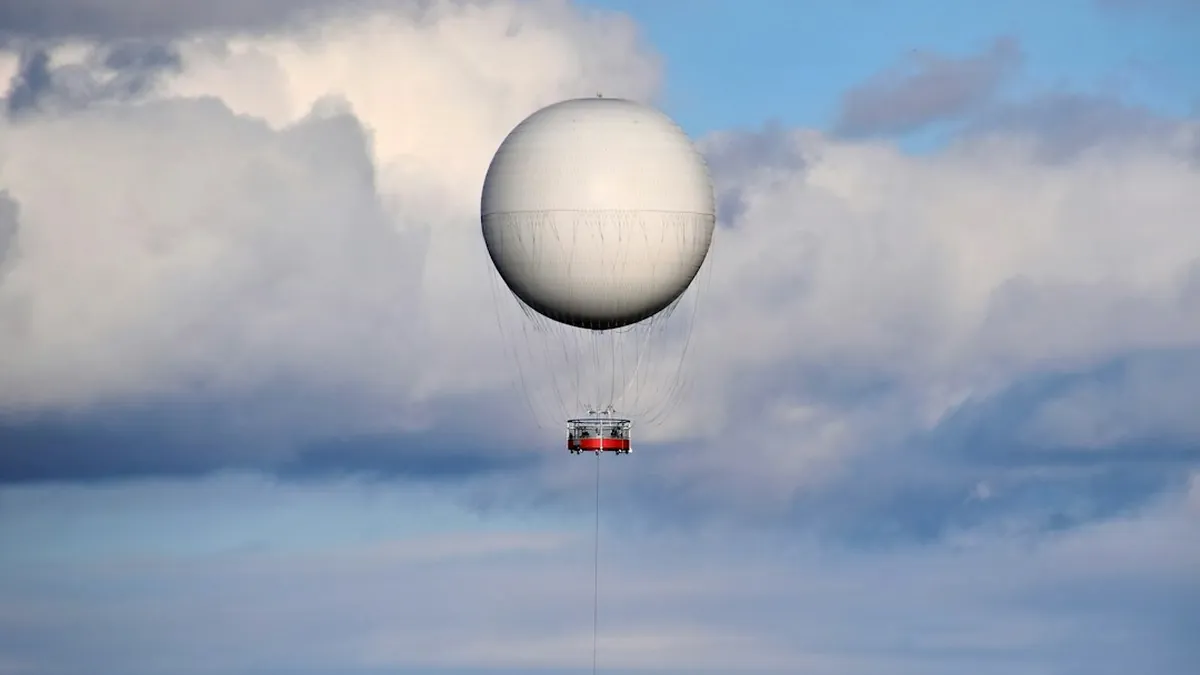
Unlike satellites locked into fixed orbital paths, high-altitude surveillance balloons can loiter over a specific geographic region for days or even weeks at a time. This persistent dwell capability allows them to monitor slow-developing ground activity — troop movements, construction patterns, or supply chain shifts — that a satellite passing overhead in 90-minute orbital cycles would routinely miss.
Defense analysts have noted that balloon-based platforms can carry sensor payloads weighing up to 500 pounds, integrating hyperspectral imaging, signals intelligence (SIGINT) arrays, and synthetic aperture radar simultaneously. This multi-sensor fusion capability mirrors what cutting-edge infantry reconnaissance platforms are achieving at ground level, now extended into the stratosphere with remarkable effect.
Low Cost and Rapid Deployment Make Balloon Surveillance a Strategic Game-Changer
Launching a high-altitude surveillance balloon costs a fraction of deploying even a small satellite — estimates place operational costs at roughly 1% to 3% of comparable orbital assets. This cost asymmetry means that agencies can deploy balloon networks rapidly across contested regions without the 18-to-36 month lead times associated with satellite procurement and launch scheduling.
Modern signal processing aboard these platforms has advanced dramatically, with onboard AI systems now capable of real-time data compression and encrypted downlink transmission to ground stations. The same AI-driven analytical frameworks explored across industries — similar to those powering eerie AI responses that shocked scientists — are now being applied to pattern recognition in stratospheric surveillance data, dramatically reducing analyst workload.
High-altitude surveillance balloons represent a fundamental rethinking of how nations collect persistent, affordable, and tactically rich intelligence in an era where satellite jamming and anti-satellite weapons are growing threats. Their ability to hover, adapt, and integrate cutting-edge sensor technology makes them not a relic of Cold War experimentation, but one of the most consequential reconnaissance tools of 2026. If you have thoughts on how stratospheric surveillance is reshaping global security, drop them in the comments below.