Autonomous Weapons War Crimes: Who’s Legally Liable?

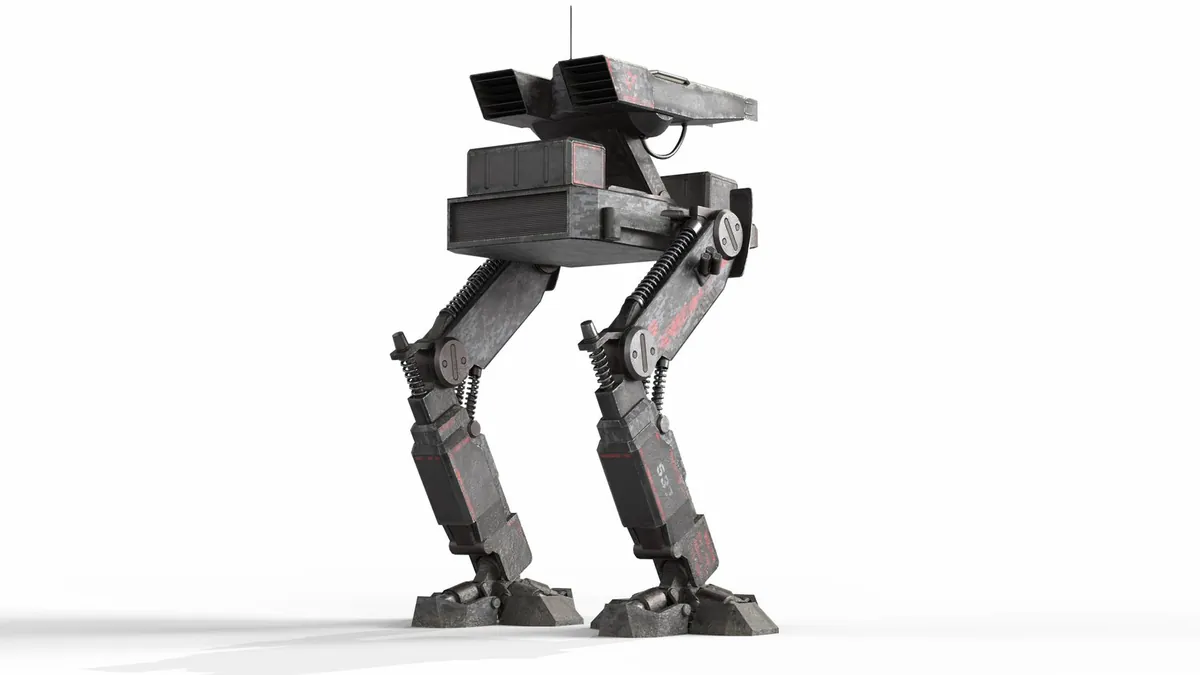
By October 2026, autonomous weapons systems are no longer a distant hypothetical — they are active participants in at least 9 documented armed conflicts worldwide. Militaries across 4 continents have deployed AI-driven targeting platforms capable of selecting and engaging human targets without real-time operator input.
This technological leap has created a legal vacuum that international humanitarian law was never designed to fill. The central question haunting military tribunals, legal scholars, and human rights bodies alike is deceptively simple: when an autonomous weapon commits what appears to be a war crime, who is held accountable?
The International Law Framework Has a Dangerous Accountability Gap
The ICRC’s legal analysis confirms that existing international humanitarian law does not explicitly assign criminal liability to the developers, commanders, or operators of autonomous weapons systems when those systems cause unlawful civilian harm. This creates what legal experts call a “responsibility gap” — a structural flaw where no human actor can be cleanly prosecuted under current frameworks. The autonomous weapons war crimes liability debate has consequently become the most urgent legal crisis in modern conflict law.
Command responsibility doctrine traditionally holds military commanders liable for war crimes committed by forces under their effective control. However, legal scholars argue that algorithmic decision-making fundamentally disrupts this chain, since a commander cannot “foresee” every targeting decision an AI system will independently execute across hundreds of simultaneous engagements.
Meaningful Human Control Is Now the Legal Battleground
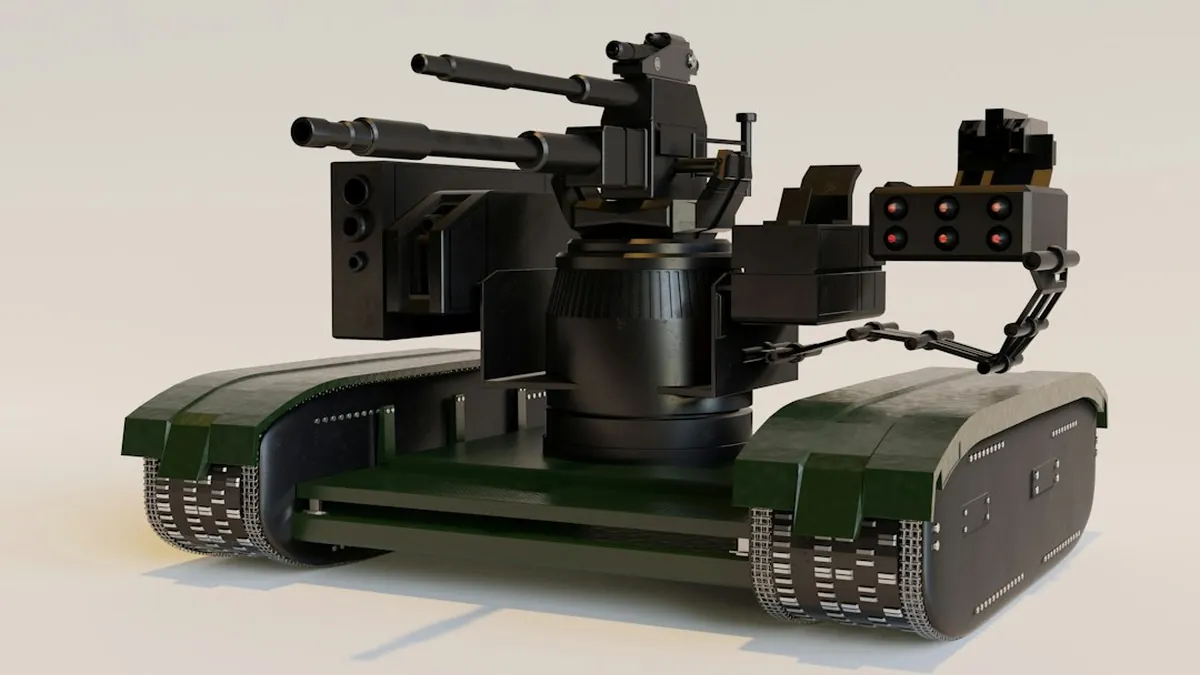
The UN disarmament framework has increasingly centered its proposed treaty language around the concept of “meaningful human control” — requiring that a qualified human operator retain genuine authority over each individual targeting decision. Critics note that militaries are actively engineering systems specifically designed to operate faster than human cognitive response times, making this standard practically unenforceable. Concerns about AI deceptive behavior in high-stakes environments further complicate any assumption that human oversight remains reliable even when nominally present.
The International Criminal Court currently lacks explicit jurisdictional authority to prosecute autonomous weapons war crimes liability cases as a distinct legal category, forcing prosecutors to retrofit charges under existing statutes covering willful killing or indiscriminate attacks. Without a dedicated legal instrument, convictions will remain nearly impossible to secure, effectively granting impunity to states deploying these systems against civilian populations.
The strategic takeaway for policymakers is stark: every month without a binding international treaty is a month in which autonomous weapons operate in a consequence-free legal environment. Human rights organizations, including those tracking unlawful weapons use, are now pushing for an emergency UN General Assembly resolution before the end of 2026.
The autonomous weapons war crimes liability crisis represents the most consequential legal challenge of the modern warfare era, and the window for preventive international action is closing rapidly. A binding framework that clearly assigns human accountability at every stage — design, deployment, and command — is the only path to preserving the rule of law on tomorrow’s battlefield. Where do you believe legal liability should ultimately fall — with the developer, the commander, or the deploying state — and why?