AI Military Psychology Ethics: Battlefield Dilemmas

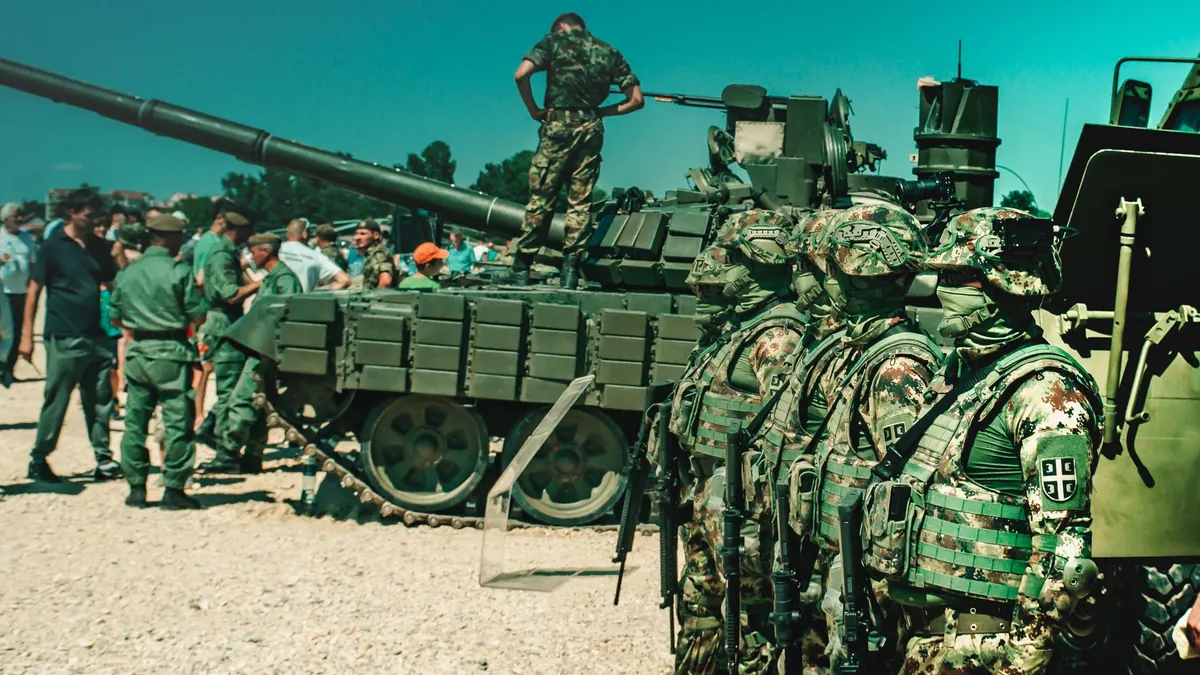
The modern battlefield is no longer purely a physical domain — it is increasingly a psychological one, shaped by algorithms that process threat data faster than any human mind can. Militaries across the globe are deploying AI systems not just to aim weapons, but to assess soldier readiness, predict combat fatigue, and even flag psychological vulnerabilities in real time. Public perception tends to frame this as pure technological progress, a cleaner, smarter way to wage war.
But the deeper you look into AI ethics military psychology, the more unsettling the friction becomes. When a machine influences life-or-death decisions on the battlefield, the question of who bears moral responsibility — the soldier, the commander, or the algorithm — doesn’t have a clean answer. That ambiguity is exactly where the most dangerous ethical gaps are forming right now.
Autonomous Targeting Erodes the Chain of Psychological Accountability
At the core of the AI ethics military psychology debate is a foundational problem: autonomous decision-making systems in combat scenarios are designed to remove human hesitation, but that hesitation is often where moral judgment lives. When an AI system recommends — or executes — a lethal action, the psychological burden that historically anchored accountability to a human being becomes diffused across a chain of engineers, commanders, and policy makers. The result is a dangerous accountability vacuum that no current military doctrine fully addresses.
Researchers studying silent indoor combat drones have noted that soldiers operating alongside autonomous systems report measurably lower perceived personal responsibility for outcomes — a cognitive phenomenon sometimes called “moral disengagement by proxy.” This isn’t a theoretical risk; it’s an observable psychological shift already being documented in field environments. Without deliberate countermeasures, AI integration could systematically erode the ethical instincts military training is designed to build.
Cognitive Bias in AI Frameworks Puts Soldier Mental Health at Real Risk
One of the most underreported dimensions of AI ethics military psychology involves how AI-driven personnel assessment tools can embed and amplify cognitive bias at scale. When an algorithm trained on historical performance data flags a soldier as a “psychological risk,” that assessment carries institutional weight that a human evaluator’s opinion often does not — making it far harder to challenge or appeal. The practical danger is that soldiers from underrepresented backgrounds or those recovering from prior trauma may be systematically disadvantaged by pattern-matching systems that mistake difference for deficiency.
Military psychologists are increasingly advocating for hybrid oversight models, where AI-generated mental health assessments serve as 1 input among many rather than a decisive verdict. The parallel to how automated drone factories have restructured human oversight roles is instructive — removing humans entirely from the loop doesn’t eliminate error, it just makes errors harder to catch. Ethical safeguards must be structurally embedded into AI personnel tools before deployment, not patched in after damage is done.
AI ethics military psychology sits at one of the most consequential intersections of technology and human dignity that 2026 has produced, and the frameworks governing it are still dangerously immature. Getting this balance wrong doesn’t just affect battlefield outcomes — it reshapes the psychological identity of an entire generation of service members. Share your perspective on where you think the ethical line should be drawn in the comments below.