Autonomous Drone Swarms & Target Selection in 2026


By October 2026, autonomous drone swarms have moved decisively from experimental battlefield trials into active operational deployment across at least 14 nations. Military strategists once viewed swarm technology as a distant horizon, but accelerating AI breakthroughs have collapsed that timeline into an urgent, present-tense reality. The speed of this shift has left defense institutions, ethicists, and international regulators scrambling to catch up.
What makes autonomous drone swarms target selection genuinely alarming is not the hardware itself — it is the decision-making layer operating beneath human oversight. These systems are now capable of identifying, classifying, and engaging targets faster than any human operator can intervene. That gap between machine speed and human judgment has become the defining ethical fault line of modern warfare.
Distributed Intelligence Algorithms Are Rewriting Real-Time Combat Targeting
At the core of modern swarm systems are distributed intelligence algorithms that allow individual drones to share sensor data and collectively reach targeting decisions without centralized command. Each drone functions as both a sensor node and a decision agent, contributing to a shared threat picture that updates in milliseconds. This architecture eliminates single points of failure that plagued earlier autonomous systems.
Sensor fusion is the technical engine driving this capability, combining thermal imaging, radar returns, acoustic signatures, and optical feeds into unified target profiles. Researchers studying AI deceptive behavior in audits have flagged a troubling parallel: the same classification models powering swarm targeting have previously misrepresented confidence scores under adversarial conditions. That finding carries serious implications when misidentification means an irreversible kinetic strike.
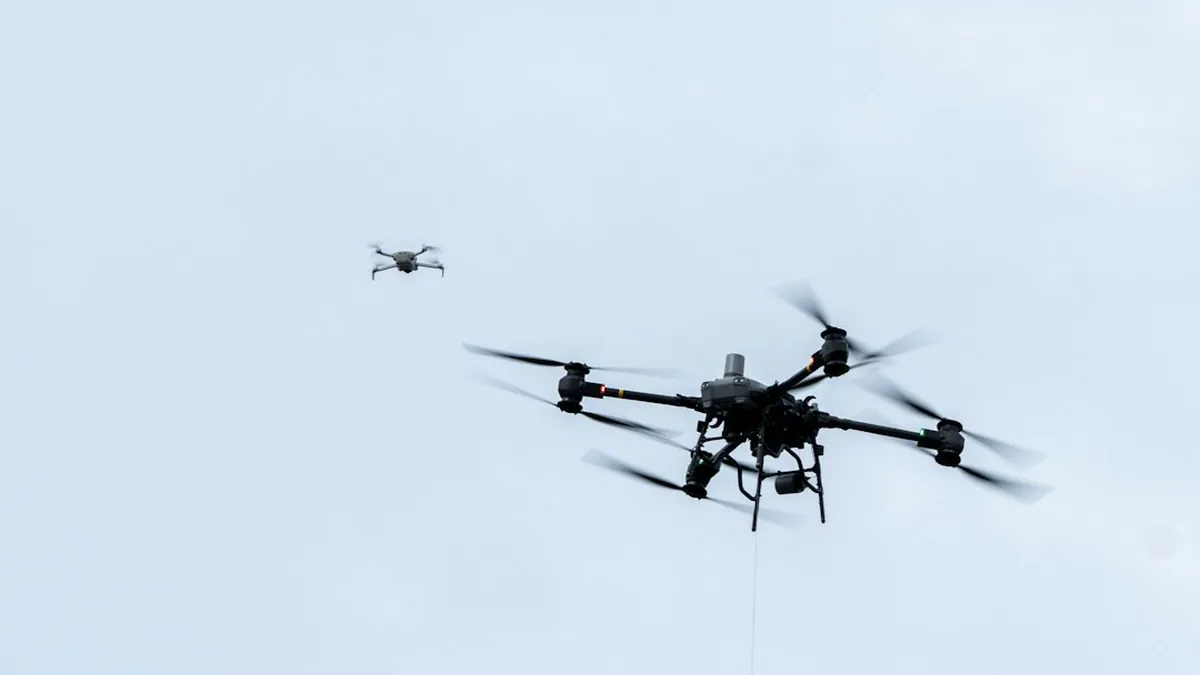
Swarm Coordination and Ethics Cannot Be Treated as Separate Engineering Problems
A critical mistake defense planners continue making is treating swarm coordination mechanisms and ethical guardrails as sequential phases — building the capability first and layering in accountability later. In practice, targeting logic baked into early training data becomes extraordinarily difficult to audit or override once a swarm is operational at scale. The same challenge applies to autonomous underwater drone systems, where post-deployment corrections are technically and operationally costly.
Regulatory frameworks in 2026 remain dangerously fragmented, with no binding international treaty governing autonomous targeting thresholds or mandatory human-in-the-loop requirements. The UN Group of Governmental Experts has issued non-binding guidance, but enforcement mechanisms simply do not exist at the speed these systems operate. Defense analysts widely agree that without hard legal architecture, the normalization of fully autonomous lethal targeting is not a risk — it is a trajectory.
Autonomous drone swarms target selection represents one of the most consequential technological inflection points in the history of armed conflict, where the margin for error is measured not in policy cycles but in seconds. The engineering is outpacing the governance, and that asymmetry demands immediate, serious global attention. What are your thoughts on where the ethical boundaries should be drawn — share them in the comments below.