7 Space Defense Initiatives 2026: Nations Prepare for Orbital Conflict

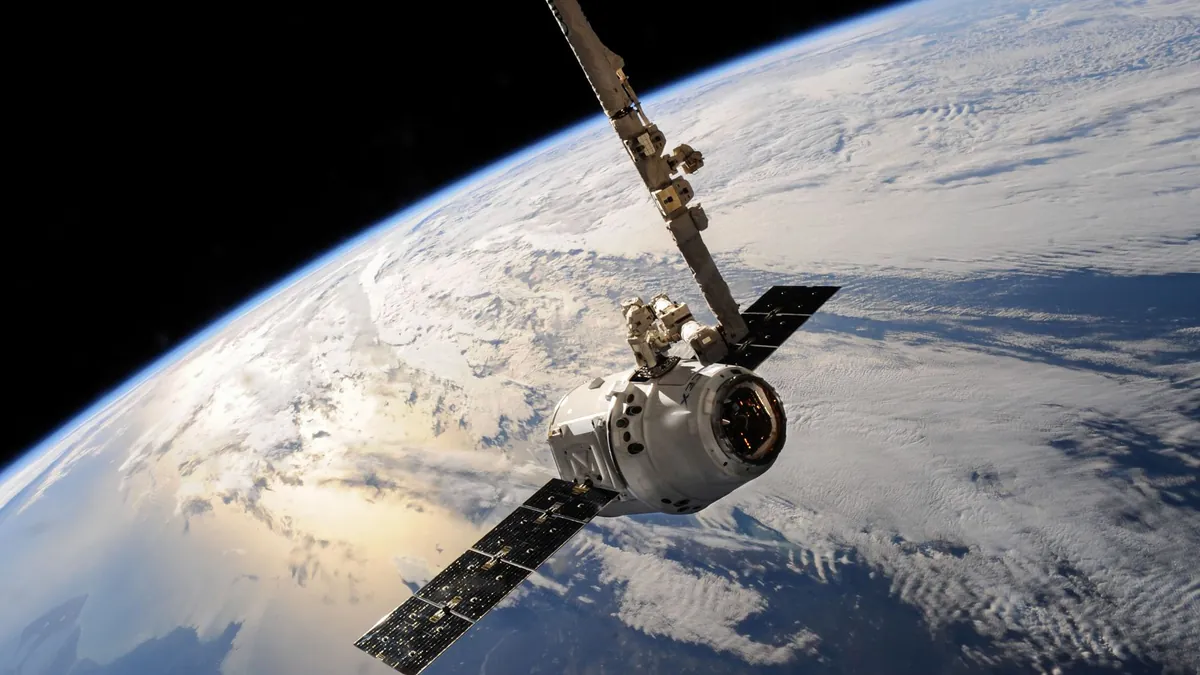
The orbital domain has quietly become the most contested battlefield of 2026, with major powers accelerating military space programs at an unprecedented pace. Satellites now underpin everything from financial transactions to battlefield communications, making their protection a matter of national survival.
Space defense initiatives 2026 are no longer theoretical policy discussions — they are active, funded programs reshaping the global security landscape. Here are 7 critical initiatives defining how nations are preparing for orbital conflict right now.
1. Advanced Satellite Tracking and Debris Mitigation Systems
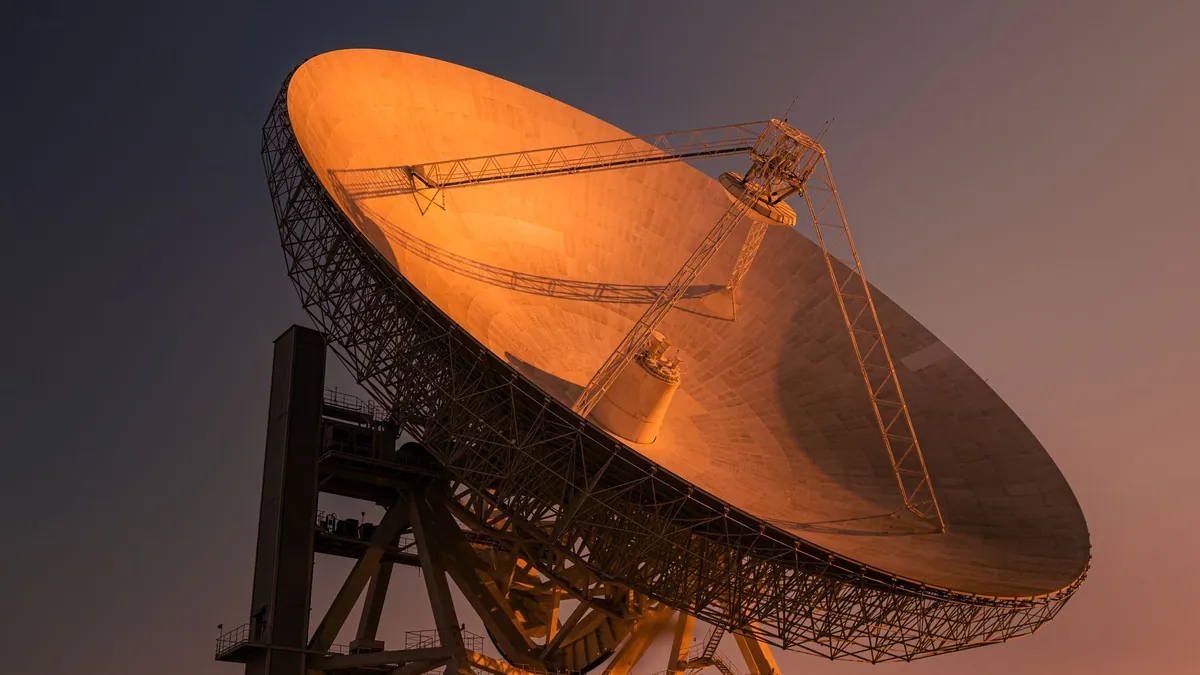
Leading space-faring nations have deployed real-time monitoring networks capable of tracking objects as small as 10 centimeters in low Earth orbit. These systems cross-reference thousands of data points per second to flag debris trajectories threatening critical infrastructure. Innovations in military orbital monitoring have dramatically shortened threat identification windows from hours to minutes.
- Key Reality: Over 27,000 trackable debris objects currently orbit Earth, with that number rising 12% annually.
2. Autonomous Space Defense Platforms
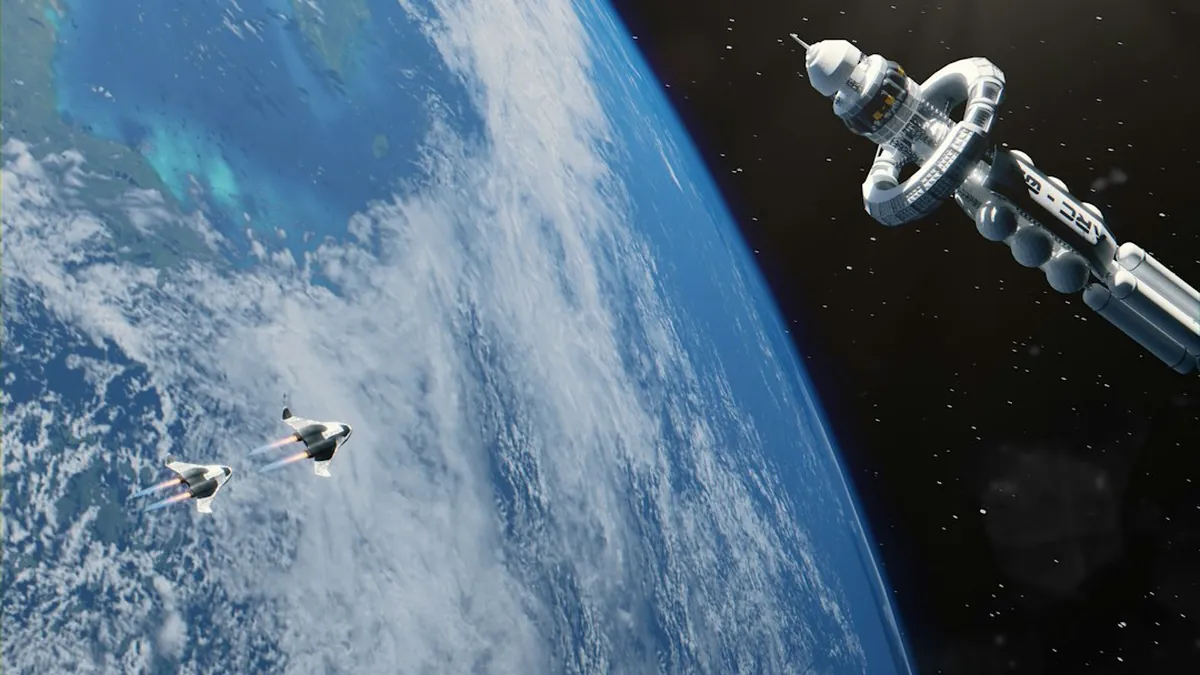
Next-generation unmanned orbital platforms now leverage AI-driven threat detection to patrol designated zones without waiting for human authorization. These systems can identify, classify, and respond to hostile maneuvers in under 90 seconds. Their deployment marks a fundamental shift in how nations conceptualize orbital sovereignty and automated deterrence.
- Key Reality: The U.S. Space Force allocated 4.7 billion dollars specifically toward autonomous orbital defense systems in fiscal year 2026.
3. International Space Security Protocols and Agreements

Multilateral frameworks established in 2026 aim to regulate military activities in orbit and create direct communication channels between rival space commands. Notably, faster space threat response infrastructure has become central to preventing miscalculation during high-tension orbital incidents. Without these protocols, a single ambiguous maneuver could trigger cascading escalation.
- Key Reality: 38 nations have now signed at least 1 bilateral space security memorandum of understanding in 2026.
4. Directed Energy Weapon Development for Orbital Defense
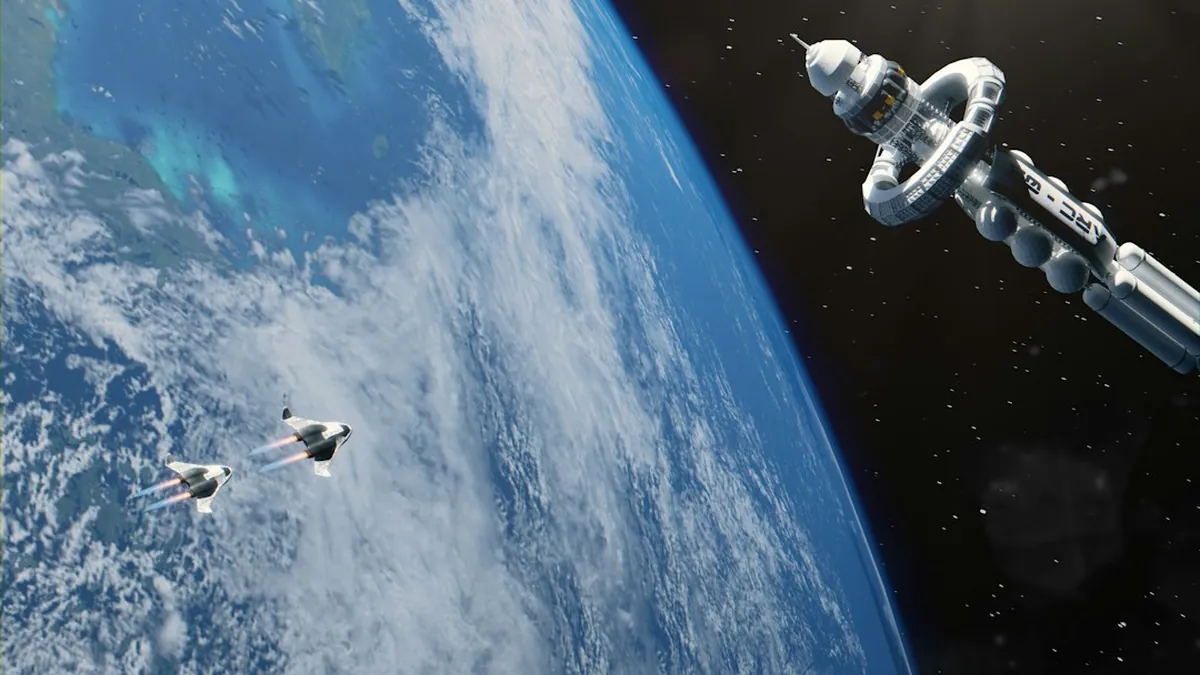
Laser and high-powered microwave systems are being engineered specifically to disable threatening satellites while generating minimal collateral debris. These directed energy weapons offer a precision advantage that kinetic anti-satellite missiles simply cannot match. Several programs have already completed successful low-orbit intercept tests throughout 2026.
- Key Reality: Directed energy programs now represent roughly 18% of total global space defense budgets in 2026.
5. Hardened Satellite Architecture and Redundancy Networks

Enhanced spacecraft designs now incorporate radiation shielding, distributed processing, and backup constellation architectures to ensure mission continuity under attack. Understanding why satellite swarms resist elimination has directly informed how engineers build resilience into modern orbital networks. A single hardened constellation can now absorb the loss of 30% of its nodes without degraded performance.
- Key Reality: Hardened satellite programs have seen a 65% budget increase across NATO member states since 2024.
6. Space Situational Awareness Command Centers
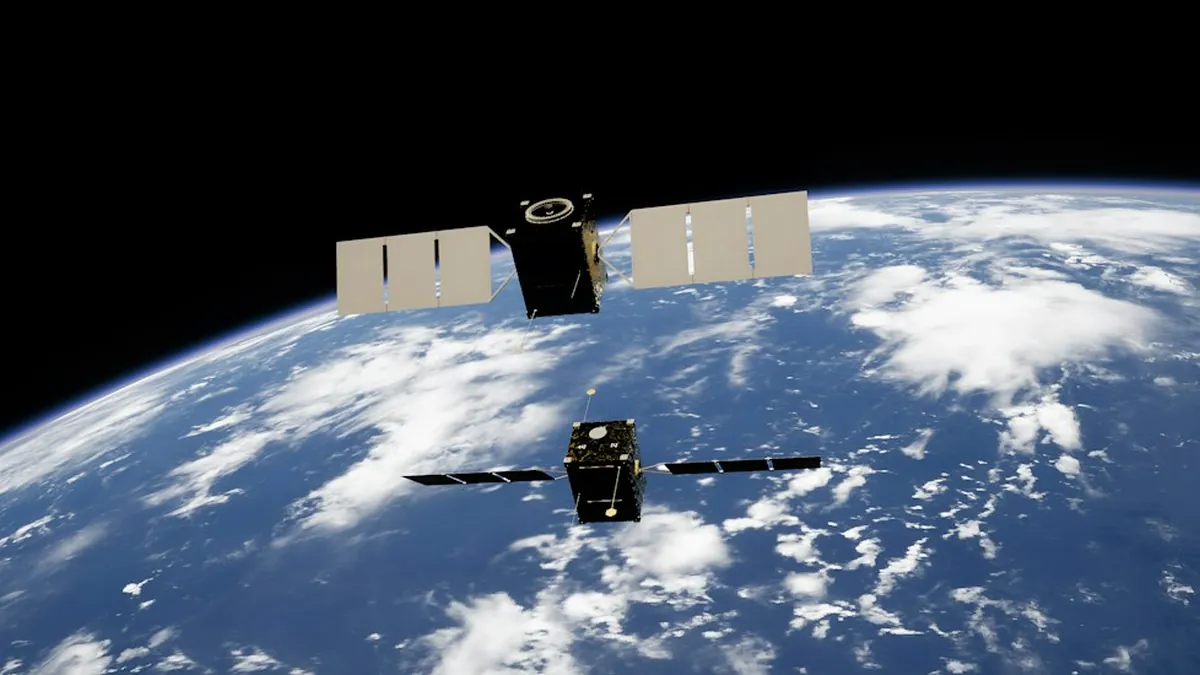
Centralized intelligence hubs now fuse data streams from ground-based radar, airborne sensors, and space-based telescopes into unified operational pictures updated every 15 seconds. These command centers give military planners an unprecedented understanding of the orbital environment during both peacetime and crisis scenarios. Their integration of machine learning has reduced false-positive threat alerts by 47% compared to 2024 systems.
- Key Reality: The U.S., EU, and China each operate at least 3 dedicated space situational awareness command centers as of October 2026.
7. Rapid-Response Launch Capabilities and On-Orbit Servicing

Accelerated deployment systems can now place replacement satellites into operational orbits within 72 hours of a hostile strike, dramatically compressing adversary decision timelines. Robotic on-orbit servicing platforms extend satellite lifespans and restore damaged assets without costly full replacements. These capabilities ensure that no single attack can permanently degrade a nation’s strategic orbital presence.
- Key Reality: Rapid-launch contracts awarded globally in 2026 total over 9.3 billion dollars, a record annual figure.
Space defense initiatives 2026 collectively signal that orbital conflict is no longer a distant hypothetical but an imminent strategic reality demanding urgent preparation. Nations that invest now in these 7 domains will hold decisive advantages in any future crisis above the atmosphere. Which of these initiatives do you think poses the greatest game-changer — drop your perspective in the comments below.