Hypersonic Glide Vehicle Defense Systems: Technology and Strategic Implementation

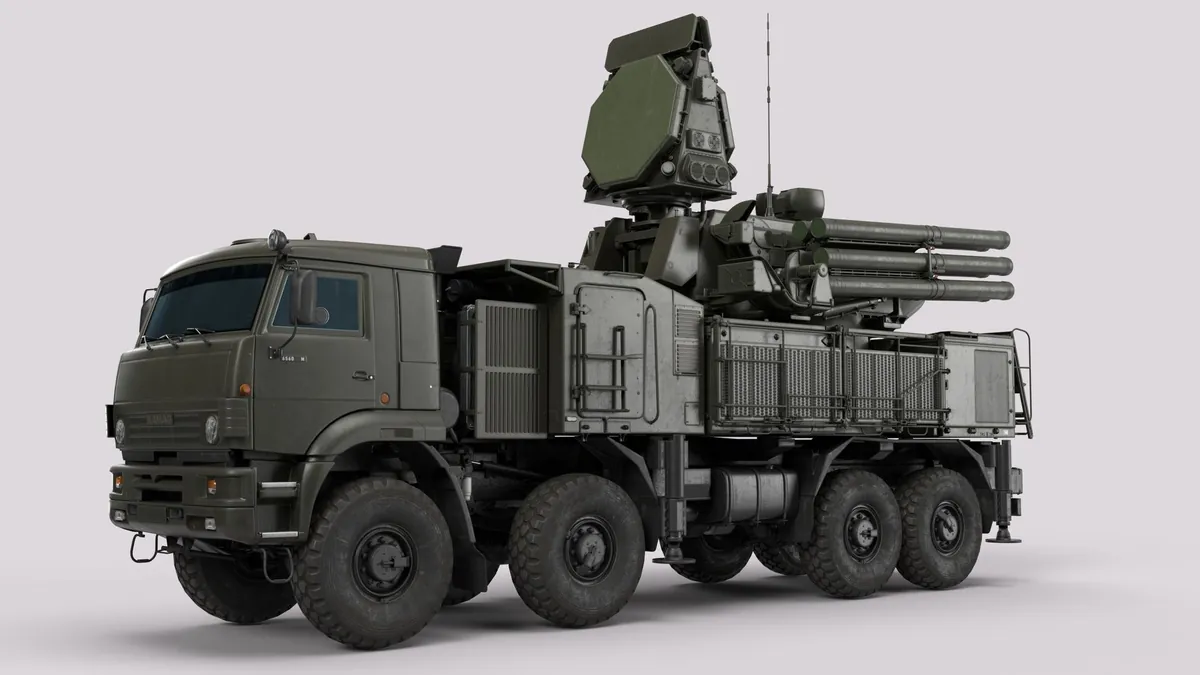
The global arms race has entered a phase that most defense analysts describe as genuinely unprecedented. Hypersonic weapons — capable of traveling at speeds exceeding Mach 5 while maneuvering unpredictably through the atmosphere — have fundamentally disrupted decades of established missile defense doctrine. Nations that once felt shielded by layered air defense networks are now confronting a threat their systems were never designed to stop.
The uncomfortable reality is that most existing defense infrastructure was built around ballistic trajectories — predictable arcs that radar and interceptors could track with reasonable confidence. Hypersonic glide vehicles (HGVs) shatter that assumption entirely, flying at lower altitudes than ballistic missiles while executing lateral maneuvers that defeat conventional intercept calculations. Understanding why standard air defense logic fails here is the critical first step toward building systems that actually work.
Hypersonic Glide Vehicles Exploit the Physics That Traditional Radar Cannot Handle
HGVs are launched atop ballistic rockets but then detach and glide through the upper atmosphere at speeds between Mach 5 and Mach 20, using aerodynamic lift rather than a fixed parabolic path. This combination of extreme speed and continuous course correction compresses defender reaction time to under 6 minutes in many engagement scenarios. As detailed in coverage of hypersonic glide vehicles radar detection, ground-based radar systems face a fundamental geometric blind spot at the altitudes HGVs prefer to cruise.
The plasma sheath generated by hypersonic friction also absorbs and scatters radar signals, making reliable tracking exponentially harder than with conventional threats. Defense programs in the United States, including the Glide Phase Interceptor (GPI) initiative, have allocated over 4 billion dollars specifically to close this detection gap. The strategic urgency is real — adversaries have already fielded operational HGV systems, making this a present-tense defense challenge, not a future one.
Space-Based Sensors and Layered Kill Chains Are the Only Viable Defense Architecture
Because ground-based radar alone cannot reliably track HGVs across their full flight envelope, the defense community has pivoted aggressively toward space-based infrared and radar sensor constellations. Programs like the Hypersonic and Ballistic Tracking Space Sensor (HBTSS) are designed to provide persistent, low-latency tracking data that ground interceptors can actually use. The broader vision of hypersonic missiles versus air defense architecture makes clear that no single interceptor or sensor layer is sufficient on its own.
Effective hypersonic glide vehicle defense systems therefore require a kill chain that integrates satellite tracking, advanced battle management AI, and next-generation interceptors operating in concert within seconds. Nations that attempt to defend against HGVs using legacy point-defense systems — without this multi-domain integration — are essentially deploying expensive hardware that cannot close the engagement loop in time. The investment threshold is high, but the strategic cost of inaction is categorically higher.
Hypersonic glide vehicle defense systems represent the defining military technology challenge of this decade, demanding a complete rethinking of how nations structure deterrence, sensor networks, and intercept doctrine simultaneously. The countries that master layered, space-integrated defense architectures first will hold a decisive strategic advantage for the foreseeable future — and the window to build that edge is narrowing fast. If you have thoughts on how nations should prioritize these defense investments, drop them in the comments below.