How Soldiers Use Bone-Conduction Headsets in Combat

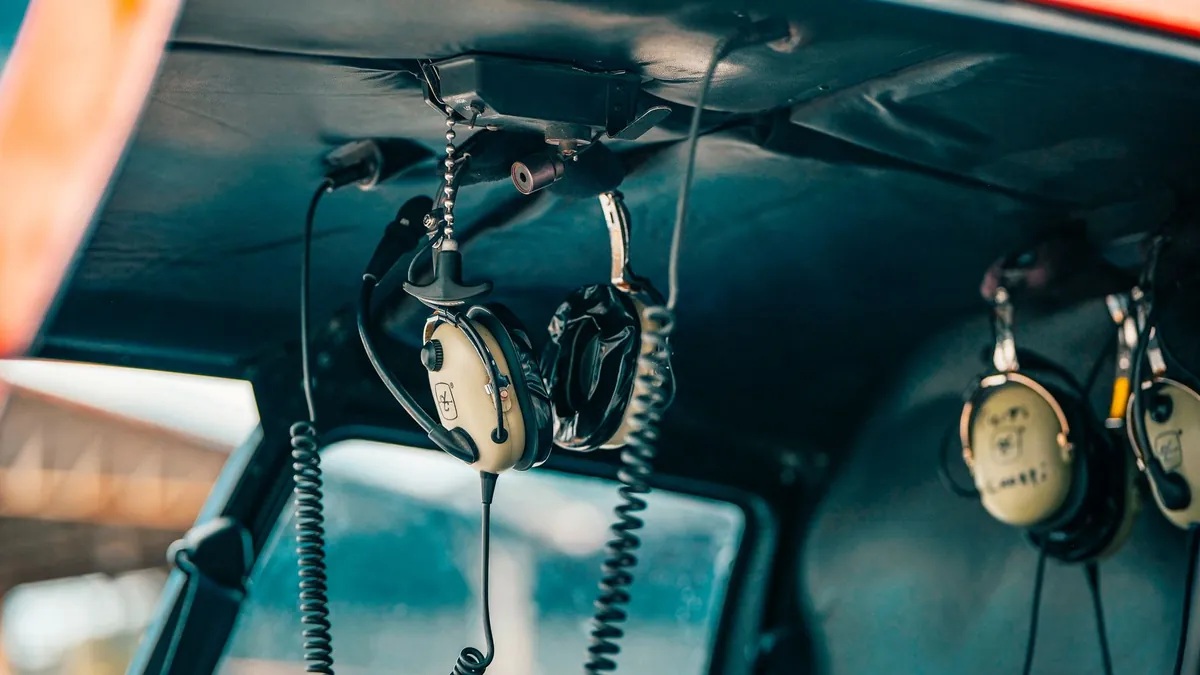
Modern warfare is as much an information battle as it is a physical one, and the gear soldiers wear directly determines whether they live or die. Audio communication technology has evolved dramatically, moving far beyond the bulky radio headsets of previous decades into something far more precise and biologically integrated. The public rarely considers how sound itself becomes a tactical weapon on the battlefield.
Most people assume that louder, more insulated headsets make soldiers safer by blocking out dangerous noise. That assumption is dangerously wrong, and military engineers have spent years designing around it. Cutting off a soldier’s natural hearing in a live combat environment can be just as lethal as the threat the headset was meant to protect against.
Bone Conduction Bypasses the Eardrum to Deliver Crystal-Clear Commands
Bone conduction headsets work by transmitting sound vibrations directly through the skull’s temporal bone to the cochlea, completely bypassing the outer ear canal. This means a soldier receives radio communications with full clarity while both ears remain physically open to the surrounding environment. The technology essentially splits the auditory experience into 2 simultaneous, non-competing channels.
Special Operations forces, including units operating under SOCOM doctrine, have integrated bone conduction headsets military communication systems into standard kit configurations since the early part of this decade. These devices pair with encrypted tactical radios and helmet-mounted systems, creating a seamless command-and-control loop that functions even in high-decibel environments like helicopter insertions or active firefights. The result is a soldier who is simultaneously connected to command and fully present in their physical surroundings.

Situational Awareness Becomes a Measurable Combat Advantage
Because both ear canals remain unobstructed, soldiers can still detect directional audio cues — footsteps, vehicle engines, or incoming fire — with natural spatial accuracy. This is the exact capability that traditional noise-canceling headsets destroy, and its absence has historically contributed to friendly-fire incidents and ambush vulnerabilities. Bone conduction technology restores that sensory layer without sacrificing communication fidelity.
The same philosophy driving bone conduction adoption mirrors the multi-domain awareness logic behind systems like drone jamming rifles used in high-threat security operations — layered perception beats single-channel defense every time. Field durability standards for these headsets are equally demanding, with most military-grade units rated for submersion up to 1 meter, operational temperatures ranging from -40 to 70 degrees Celsius, and impact resistance compliant with MIL-STD-810H protocols. These aren’t consumer-grade adaptations; they are purpose-engineered survival tools.
Bone conduction headsets military communication integration represents one of the most quietly significant leaps in soldier survivability technology in recent years. As battlefield communication systems grow more sophisticated — increasingly intersecting with ML models detecting hidden threats and AI-driven command networks — the human auditory interface becomes more critical, not less. If you’ve served, worked in defense tech, or have strong opinions on wearable combat systems, drop your perspective in the comments below.