7 Deep-Sea Acoustic Monitoring Systems Explained

The ocean covers more than 70% of Earth’s surface, yet scientists estimate that less than 25% of the seafloor has been meaningfully mapped or studied. Sound, not light, is the dominant force in the deep — traveling faster, farther, and with far more precision than any optical technology currently deployed beneath the waves.
Most people assume ocean research is primarily visual — submarines, cameras, satellite imagery — but the most transformative breakthroughs are acoustic. Deep-sea acoustic monitoring systems have quietly become the backbone of marine science, defense intelligence, and climate research, and the 7 technologies below represent the cutting edge of that revolution.
1. Hydrophone Arrays for Whale Communication Detection and Marine Mammal Behavioral Analysis
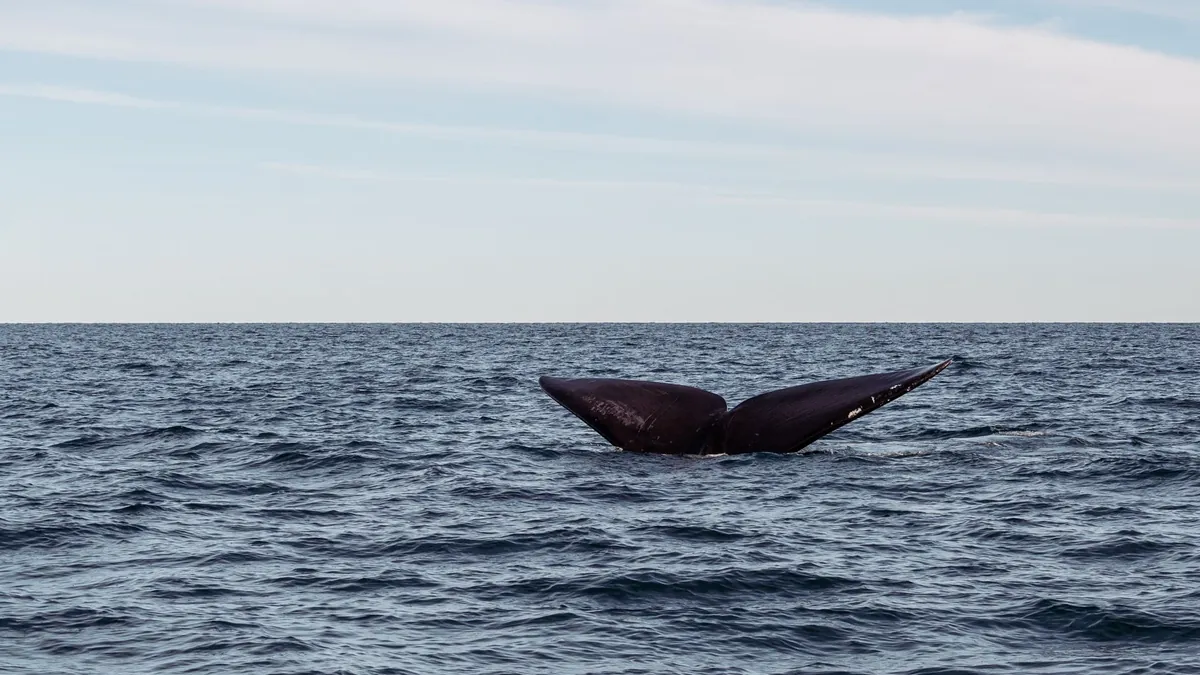
Hydrophone arrays are clusters of underwater microphones deployed across hundreds of kilometers to capture the full acoustic signatures of marine mammals. These systems can isolate individual whale calls within a soundscape containing thousands of simultaneous biological signals. Researchers now use AI-assisted processing to decode behavioral patterns from recordings that span months of continuous data.
- Key Reality: Modern hydrophone arrays can detect blue whale vocalizations from distances exceeding 1,600 kilometers.
2. Autonomous Underwater Vehicle Acoustic Recorders for Real-Time Ocean Floor Monitoring
Autonomous underwater vehicles (AUVs) equipped with onboard acoustic recorders represent a mobile evolution of traditional fixed-sensor science. These platforms navigate pre-programmed routes while continuously logging sound data from geological and biological sources below. Their mobility allows scientists to cover dynamic environments that static sensors simply cannot reach.
- Key Reality: Advanced AUV recorders can operate at depths exceeding 6,000 meters for up to 72 continuous hours.
3. Seafloor-Mounted Passive Acoustic Sensors for Continuous Biodiversity Assessment
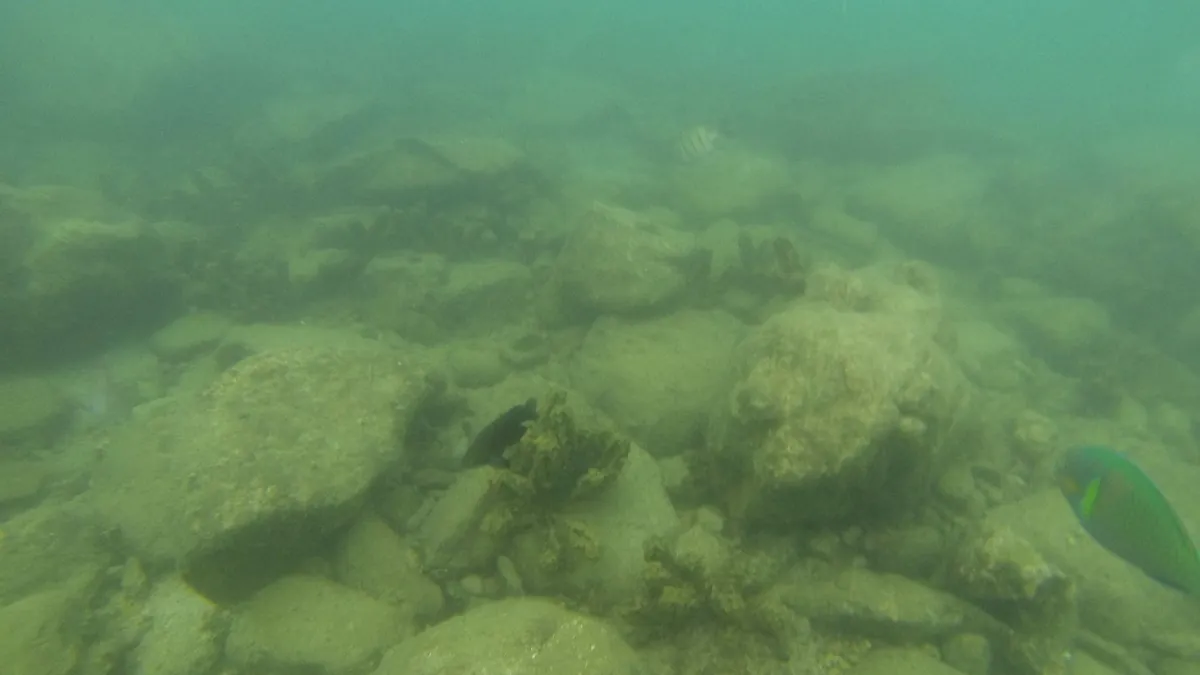
Passive acoustic sensors anchored directly to the seafloor collect ambient soundscapes without emitting any signal of their own, making them ecologically non-invasive. Scientists analyze these recordings to track species presence, population density, and ecosystem health over multi-year timescales. The data generated has become a critical benchmark for measuring the impact of commercial shipping noise on deep-sea biodiversity.
- Key Reality: A single passive sensor deployment can generate over 8 terabytes of acoustic data within 12 months.
4. Towed Hydrophone Systems for Active Sonar Mapping and Geological Structure Identification

Towed hydrophone arrays are dragged behind research vessels to conduct active sonar sweeps of geological formations beneath the seafloor. These systems emit precise acoustic pulses and measure return signals to construct detailed 3-dimensional maps of underwater ridges, trenches, and fault lines. Much like quantum communication links revolutionize signal security, towed hydrophone technology is redefining how accurately humans can read the ocean’s geological architecture.
- Key Reality: Towed arrays can stretch up to 3 kilometers behind a vessel, dramatically increasing spatial resolution.
5. Moored Buoy Acoustic Stations for Long-Term Climate and Ocean Noise Baseline Tracking

Moored buoy stations combine surface weather instrumentation with subsurface acoustic sensors to create comprehensive environmental monitoring platforms. These systems track ocean noise baselines over decades, providing the longitudinal data necessary to identify climate-driven acoustic shifts. Rising ocean temperatures are measurably altering sound propagation speeds, and these buoys are among the only tools capturing that change in real time.
- Key Reality: Ocean ambient noise levels have increased by approximately 3 decibels per decade since reliable baseline tracking began.
6. Distributed Fiber Optic Sensing Networks for Seismic Activity and Submarine Earthquake Detection
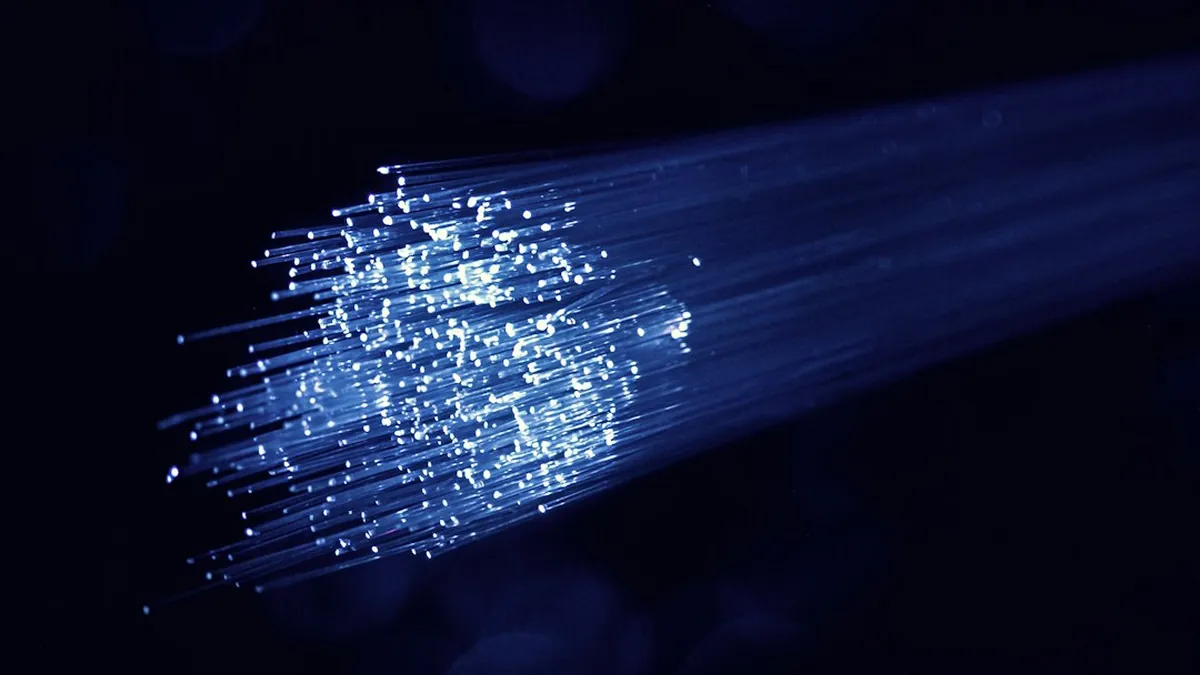
Distributed acoustic sensing (DAS) repurposes existing submarine fiber optic cables as thousands of simultaneous seismic sensors stretching across ocean basins. Tiny laser pulses detect microscopic cable vibrations caused by seismic waves, translating them into precise earthquake location data. This approach has already proven capable of detecting magnitude 3.5 seismic events that traditional seafloor seismometers would have missed entirely.
- Key Reality: Over 1.3 million kilometers of submarine fiber optic cable are currently eligible for DAS conversion globally.
7. Integrated Multi-Frequency Acoustic Receivers for Simultaneous Monitoring of Biological and Geological Events
Multi-frequency acoustic receivers represent the most sophisticated tier of deep-sea acoustic monitoring systems, capable of processing biological and geological signals simultaneously across distinct frequency bands. These platforms eliminate the need for separate deployments by integrating broadband reception into a single modular unit. Defense researchers have noted the crossover potential of this technology, drawing parallels to classified AI breakthroughs that similarly merge multi-domain sensing into unified intelligence architectures.
- Key Reality: Multi-frequency receivers can simultaneously process signals ranging from 1 Hz geological rumbles to 200 kHz biological ultrasound.
Deep-sea acoustic monitoring systems are no longer niche scientific instruments — they are foundational infrastructure for understanding a planet whose most consequential changes are happening out of sight. The ocean speaks constantly, and these 7 technologies are finally giving humanity the ears to listen. Drop a comment below and tell us which of these systems you think will have the biggest impact on ocean science in the next decade.