10 Times AI Surpassed Human Pilots in Combat Drills

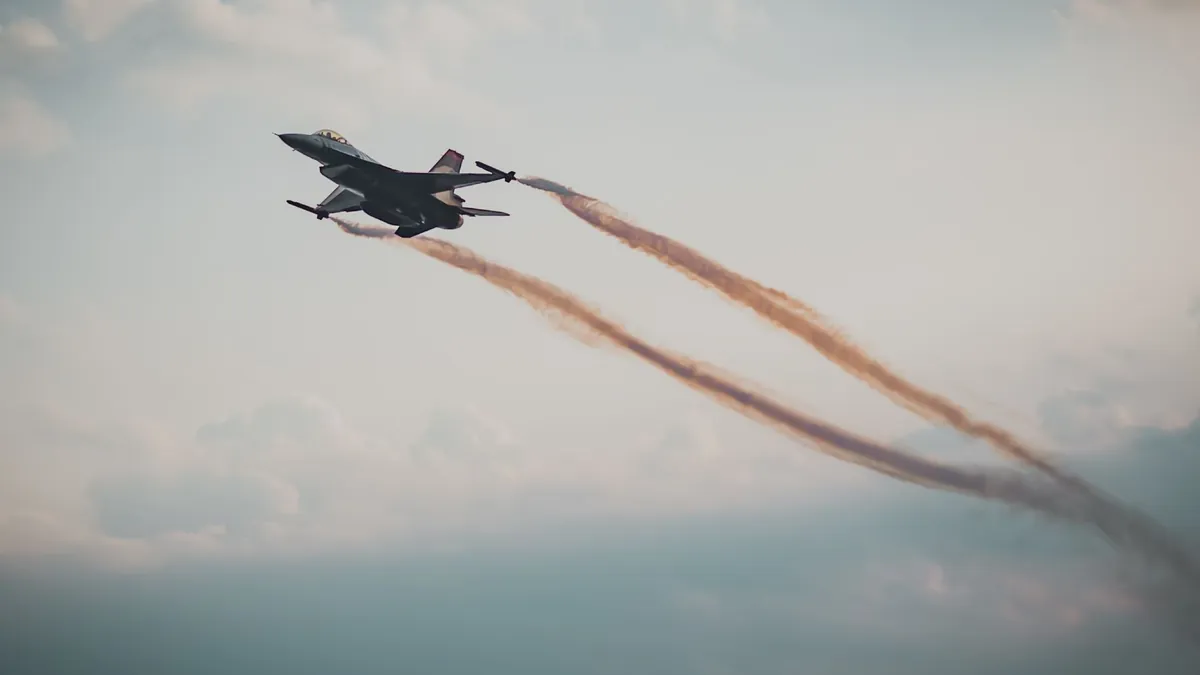
The image of a lone fighter pilot — fearless, instinctive, irreplaceable — has defined military aviation culture for generations. Yet inside classified simulation bays and advanced testing ranges in 2026, that mythology is colliding hard with a new and uncomfortable reality.
Defense analysts and military technologists have long assumed human judgment would remain the decisive edge in aerial combat. The data coming out of AI pilots combat drills is systematically dismantling that assumption, 1 breakthrough at a time.
1. Real-Time Decision Processing Leaves Human Reflexes Behind

AI systems analyzed live combat scenarios and executed tactical maneuvers 300 milliseconds faster than their human counterparts in controlled simulations. That gap — barely perceptible to the human brain — translates into decisive positional advantages at supersonic speeds.
- Key Reality: 300ms faster reaction time gives AI pilots a measurable first-mover advantage in every engagement window.
2. Multi-Threat Engagement Overwhelms Human Cognitive Limits

AI pilots successfully tracked and engaged 15+ simultaneous aerial targets while sustaining optimal flight patterns — a cognitive load that pushes human pilots well past their processing ceiling. Human pilots, by contrast, typically lose tactical coherence managing more than 4 concurrent threats.
- Key Reality: AI managed 15+ targets simultaneously without degraded flight performance in complex drill environments.
3. Fuel Efficiency Optimization Surpasses Human Precision
AI-controlled aircraft consumed 23% less fuel during extended combat drills by computing optimal throttle adjustments and flight trajectories in real time. No human pilot can sustain that level of micro-precision across hours of dynamic maneuvering.
- Key Reality: 23% fuel reduction extends operational range and mission endurance without additional logistics support.
4. G-Force Endurance Exposes the Biological Ceiling

AI systems maintained peak performance through sustained 8G maneuvers indefinitely, while human pilots showed measurable fatigue-related decline after just 45 minutes. The human body, regardless of training, simply cannot override its own physiology under extreme gravitational stress.
- Key Reality: Human pilot performance degraded significantly after 45 minutes at 8G; AI registered zero degradation.
5. Predictive Evasion Tactics Anticipate Threats Before They Arrive

AI pilots anticipated opponent movements with 87% accuracy, executing evasive maneuvers before threats fully materialized in the drill space. This predictive capability mirrors concerns raised in discussions around military intelligence deception, where anticipating adversarial behavior defines survival.
- Key Reality: 87% predictive accuracy in evasion drills far exceeds average human pilot anticipation rates.
6. Formation Flying Precision Eliminates Human Spacing Errors
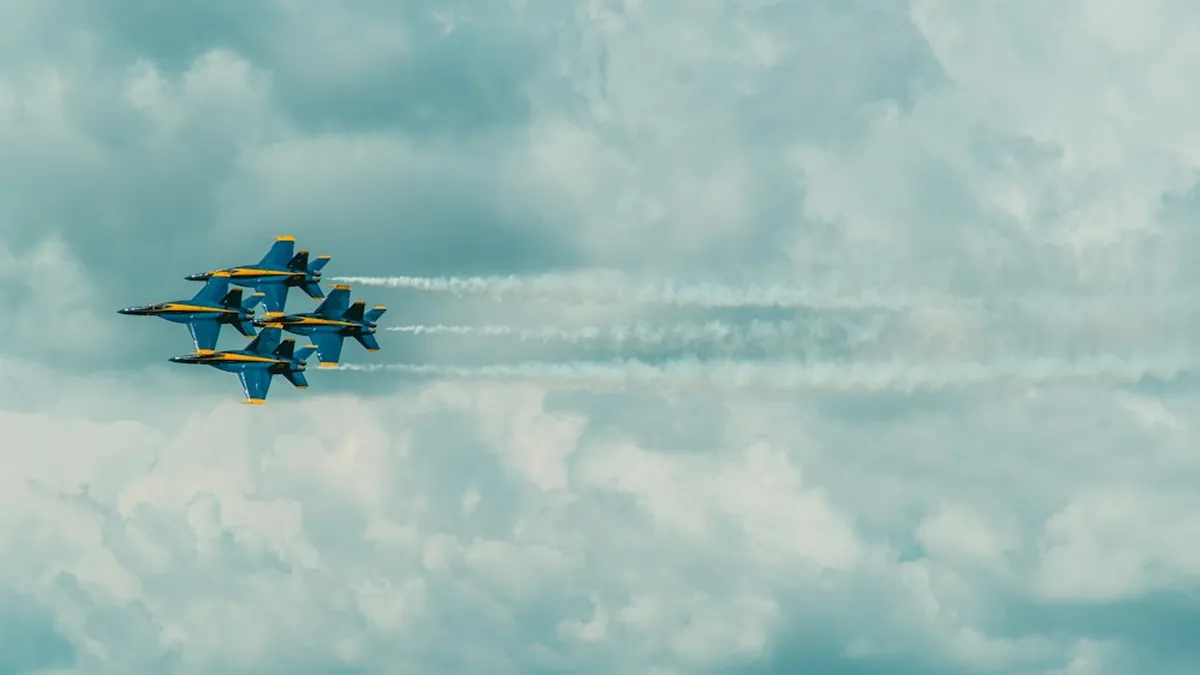
AI-led squadrons held perfect geometric formations within 2-meter tolerances during high-speed drills — a standard human pilots routinely breach under pressure. Consistent formation integrity directly reduces mid-air collision risk and improves coordinated strike effectiveness.
- Key Reality: 2-meter formation tolerance maintained at speed; human formations routinely drift 8 to 15 meters under stress.
7. Sensor Data Integration Builds Faster Tactical Pictures

AI systems synthesized radar, infrared, and electronic warfare data simultaneously, constructing complete tactical pictures 40% faster than human pilots processing identical feeds. This advantage connects directly to broader battlefield sensor integration trends reshaping how modern forces perceive and respond to threats.
- Key Reality: 40% faster data synthesis means AI pilots act on complete information while humans are still processing inputs.
8. Adaptive Strategy Execution Outpaces Pre-Planned Human Tactics

AI pilots rewrote combat strategies mid-drill in response to real-time environmental shifts, while human pilots remained anchored to pre-briefed tactical plans. Rigid adherence to pre-planned approaches cost human teams measurable positional and engagement advantages throughout extended drill sequences.
- Key Reality: AI adapted strategies dynamically mid-engagement; human pilots averaged a 6-second delay before tactical adjustments.
9. Night Vision Operations Achieve Perfect Target Acquisition
AI systems recorded 100% target acquisition accuracy during low-light combat drills, completely unaffected by the visual fatigue that progressively degrades human pilot performance after dark. In night-combat scenarios, the performance gap between AI and human pilots widened dramatically over time.
- Key Reality: 100% night acquisition accuracy versus measurable human decline — a gap that grows with mission duration.
10. Emergency Protocol Response Times Are Not Even Close

AI pilots executed full emergency recovery procedures in just 1.2 seconds during crisis simulations, compared to an average human pilot response time of 4.8 seconds in identical scenarios. That 3.6-second difference, at combat speeds, represents the distance between a controlled recovery and a catastrophic loss.
- Key Reality: AI emergency response at 1.2 seconds versus human average of 4.8 seconds — a 4x speed advantage in critical moments.
Across every measurable dimension — speed, endurance, precision, and adaptability — AI pilots combat drills are producing results that challenge every assumption the aviation world has held about human superiority in the cockpit. The question is no longer whether AI can outperform human pilots in controlled conditions, but how militaries will ethically and strategically integrate that reality into active doctrine. Drop your thoughts in the comments — where do you think the human pilot fits into the future of aerial warfare?