AR Combat Helmets Turn Soldiers Into Sensors

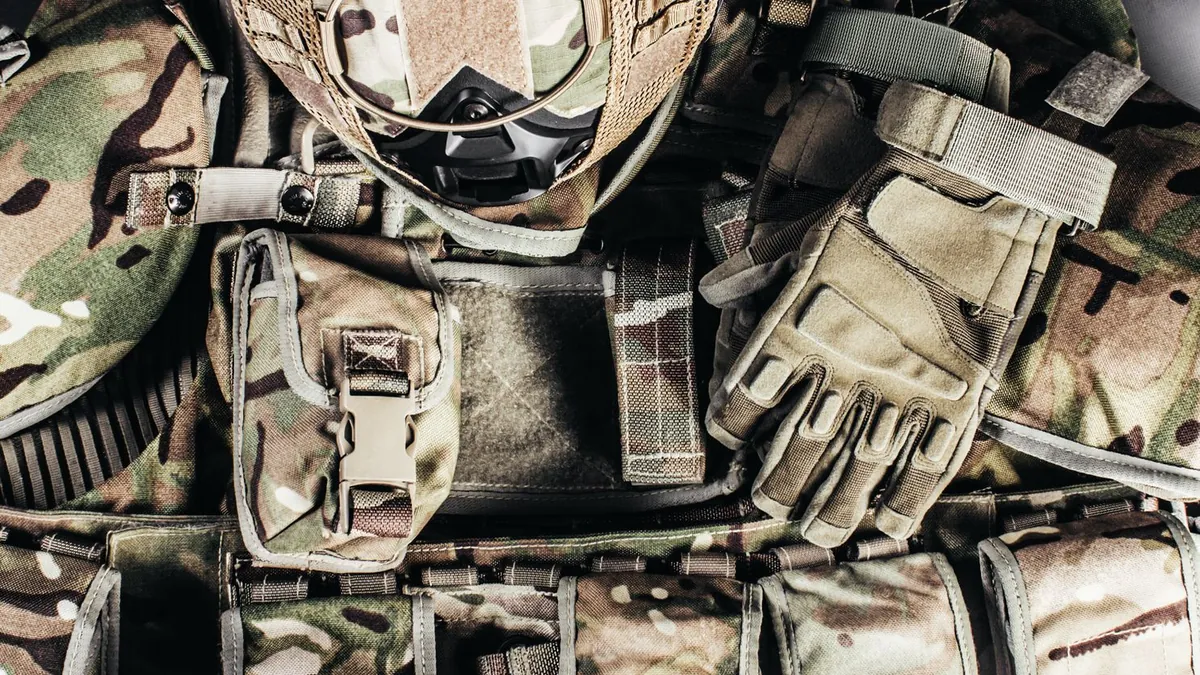
For decades, the soldier’s helmet was fundamentally a passive object — a shell of ballistic protection designed to absorb punishment rather than deliver intelligence. Popular imagination still pictures combat gear as brutally simple: heavy, analog, and disconnected from the digital revolution reshaping every other domain of modern life. That perception, while understandable, is now dangerously outdated.
The assumption that battlefield advantage belongs exclusively to commanders with access to satellite feeds and command centers is collapsing fast. AR combat helmets military technology is pushing real-time intelligence directly onto the individual warfighter’s visor, fundamentally challenging the old hierarchy of who sees what, and when. The soldier is no longer just an endpoint in a command chain — they are becoming a living node in a networked kill web.
Real-Time Battlefield Awareness Is Now Worn on the Head
Modern AR combat helmets integrate heads-up display (HUD) overlays that stream live positional data, threat vectors, and friendly force locations directly into a soldier’s field of vision without requiring them to look away from the environment. Systems like the Integrated Visual Augmentation System (IVAS) fuse inputs from thermal imaging, GPS, and squad-level radio networks into a single coherent picture. The result is a soldier who perceives the battlefield in layers that no human eye could naturally process.
Sensor fusion is the architectural backbone making this possible — onboard processors reconcile data from multiple sensor types in milliseconds, eliminating the dangerous lag between observation and decision. Much like how classified orbital reconnaissance platforms synthesize multi-spectral imaging for strategic commanders, AR helmets compress that same intelligence philosophy down to the individual warfighter. Defense procurement budgets across NATO member states have reflected this shift, with helmet-integrated optics programs receiving sustained funding increases through 2026.
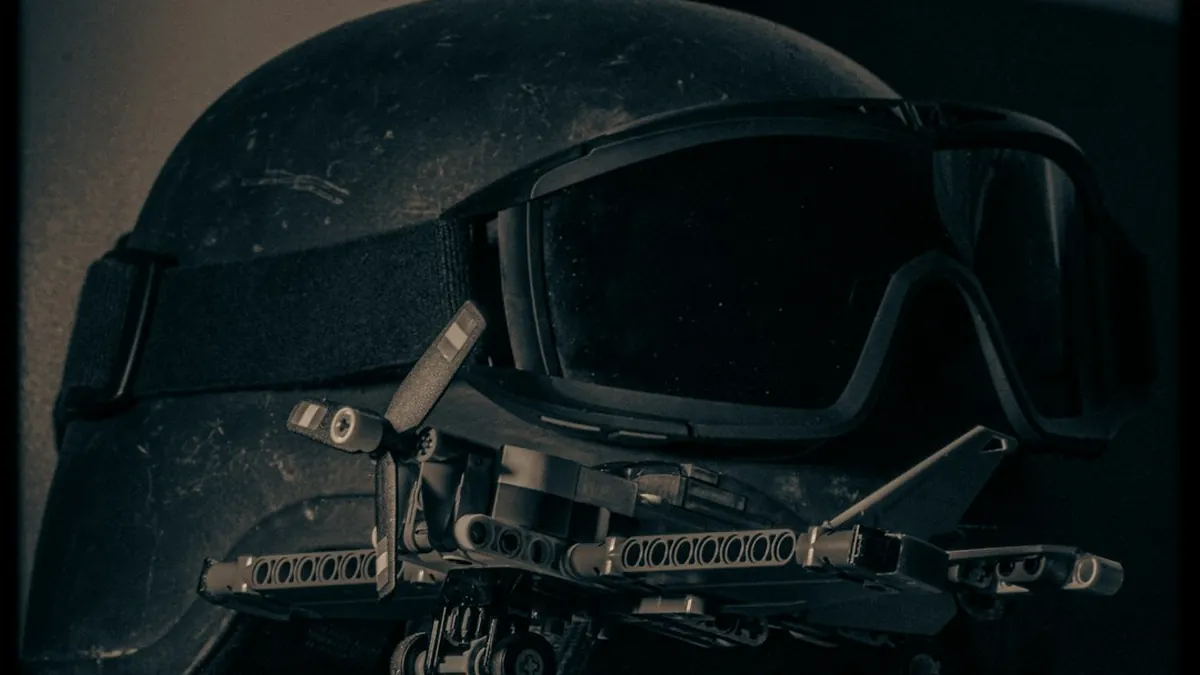
Networked Helmets Are Rewriting the Rules of Tactical Engagement
The most consequential — and least discussed — feature of next-generation AR combat helmets is their role as active data contributors rather than passive receivers. Each helmet equipped with environmental sensors feeds anonymized telemetry back into the broader tactical network, effectively turning every soldier into a mobile intelligence-gathering platform. This creates compounding situational awareness that grows more accurate as more units operate within the same theater.
Threat detection algorithms embedded in the helmet’s processing unit can flag anomalous movement patterns, flag potential IED signatures, and even cross-reference target silhouettes against known combatant profiles — capabilities that parallel the threat-identification logic explored in research on chemical sensor drones detecting nerve agents in contested environments. The critical challenge militaries are navigating is latency: a 200-millisecond delay in overlay rendering during close-quarters combat is not an inconvenience — it is a lethal liability. Engineering teams are now prioritizing edge computing architectures that process data locally on the helmet rather than relying on network uplinks.
AR combat helmets represent one of the most consequential convergences of hardware miniaturization, AI inference, and military doctrine in modern defense history — transforming the infantryman from a trigger-puller into a precision sensor system. The battlefield of 2026 is no longer won solely by firepower; it is increasingly won by perception speed and information density at the individual level. Share your perspective on where this technology is headed in the comments below.