8 Stealth Naval Corvettes with Fishing Vessel Radar


Modern naval warfare has quietly entered an era where the most dangerous ships on the water look, to enemy sensors, like ordinary fishing trawlers. Stealth naval corvettes are no longer just about angular hulls and radar-absorbing paint — they are about actively mimicking the electromagnetic signatures of civilian maritime traffic to vanish entirely from threat assessments.
Most people assume stealth means invisibility, but the smarter doctrine is deception — blending into the noise of commercial sea lanes rather than disappearing from them entirely. The 8 corvettes below represent the cutting edge of this philosophy, each engineered to weaponize ambiguity in ways that are reshaping how navies think about littoral dominance.
1. Visby-Class Corvette: Swedish Stealth Design with Advanced Radar Integration

Sweden’s Visby-class remains one of the most studied stealth naval corvettes on the planet, built with a carbon-fibre and vinyl sandwich hull that reduces radar cross-section to near-fishing-vessel levels. Its integrated sensor suite actively manages emission profiles, allowing the ship to mimic low-threat maritime contacts during coastal patrol operations. This deliberate electromagnetic humility makes it extraordinarily difficult to classify as a warship on passive radar sweeps.
- Key Reality: The Visby’s radar cross-section is estimated at roughly 1 square meter — comparable to a small wooden fishing boat.
2. Littoral Combat Ship Independence-Variant: Modular Stealth Platform with Adaptive Sensor Systems
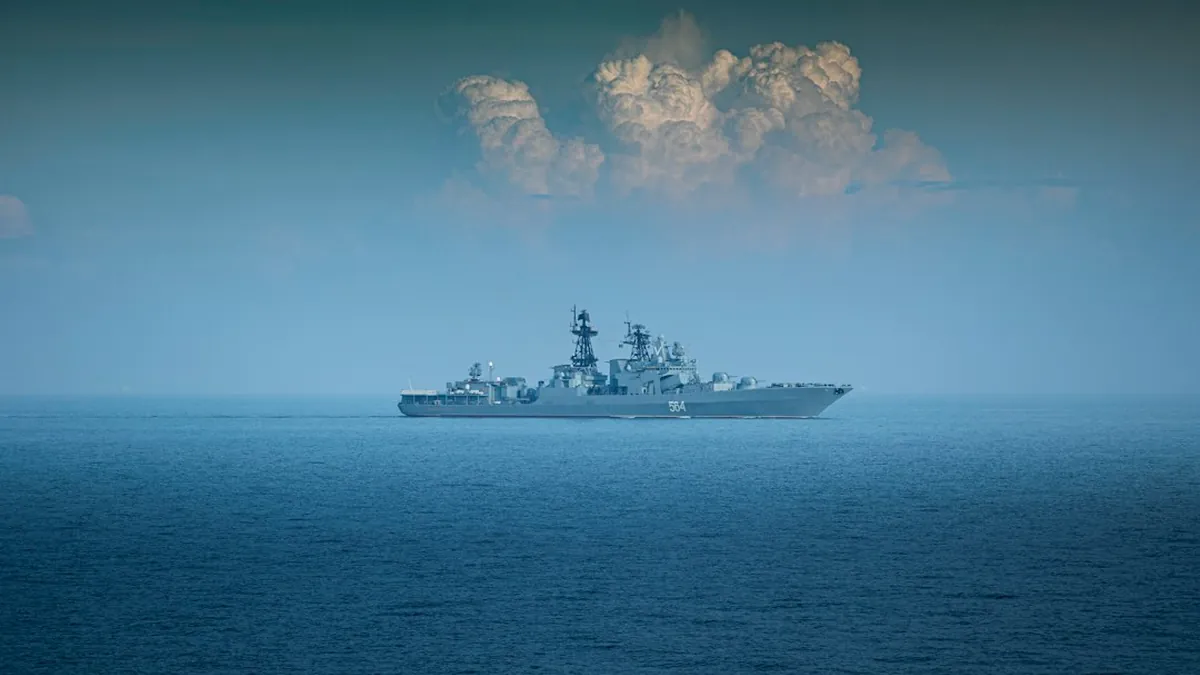
The Independence-variant LCS operates on a trimaran hull that dramatically reduces its waterline radar return, a design choice that also improves high-speed stability in contested littoral zones. Its modular mission packages allow commanders to swap sensor arrays rapidly, including configurations that suppress active emissions to match civilian vessel profiles. The platform’s adaptability makes it a strategic wildcard in any contested maritime theatre.
- Key Reality: Each mission module swap can be completed in under 96 hours, allowing rapid reconfiguration between stealth and strike roles.
3. Khareef-Class Corvette: Omani Stealth Vessel Equipped with Commercial Maritime Radar

Oman’s Khareef-class corvettes were purpose-built for Gulf of Oman operations, where commercial shipping density provides natural electromagnetic cover for a warship running reduced-emission protocols. The vessels incorporate commercial-grade maritime radar systems alongside military-grade fire control, allowing them to broadcast signatures indistinguishable from regional cargo traffic. This dual-layer approach reflects a broader trend in how smaller navies are achieving strategic asymmetry on limited budgets.
- Key Reality: Khareef-class corvettes displace approximately 2,660 tonnes yet maintain a radar profile consistent with vessels half their size.
4. Baynunah-Class Corvette: UAE Naval Stealth Technology with Dual-Purpose Radar Capabilities

The UAE’s Baynunah-class was designed with a steeply raked superstructure and inward-slanting hull sides that scatter radar returns in multiple non-threatening directions. Its dual-purpose radar systems can operate in both civilian maritime navigation modes and active military targeting modes, toggling between profiles based on threat environment. This operational flexibility gives UAE naval commanders a decisive first-mover advantage in the Persian Gulf’s crowded sea lanes.
- Key Reality: Baynunah corvettes are equipped with Exocet MM40 Block 3 missiles while maintaining a civilian-tier radar emission signature.
5. Gowind-Class Corvette: French Stealth Architecture with Integrated Fishing Vessel Detection Systems

Naval Group’s Gowind-class is a masterclass in integrated stealth architecture, featuring an enclosed mast that houses all antennas internally to eliminate protruding radar reflectors. The platform includes specialized fishing vessel detection algorithms that simultaneously help it identify civilian contacts and model its own emissions to match them. Much like the evolving logic behind fiber-optic tethered drones, the Gowind’s edge lies in making advanced capability look unremarkable.
- Key Reality: The Gowind 2500 variant has been exported to Egypt, Malaysia, and Morocco, making it one of the most proliferated stealth corvette designs globally.
6. Tuo-Class Corvette: Chinese Stealth Design Featuring Civilian Radar Cross-Section Reduction

China’s Tuo-class corvettes represent a deliberate strategy of deploying warships whose radar signatures overlap with the enormous volume of civilian fishing traffic in the South China Sea. The hull geometry and superstructure design reduce broadband radar returns to levels that automated threat-classification systems routinely dismiss as non-military contacts. This approach aligns with broader Chinese naval doctrine that treats information ambiguity as a tactical weapon in its own right.
- Key Reality: China operates over 50 Tuo-class corvettes, creating a stealth fleet that is statistically difficult to track across regional waters.
7. Shtil-Class Corvette: Russian Stealth Corvette with Hybrid Radar Configuration
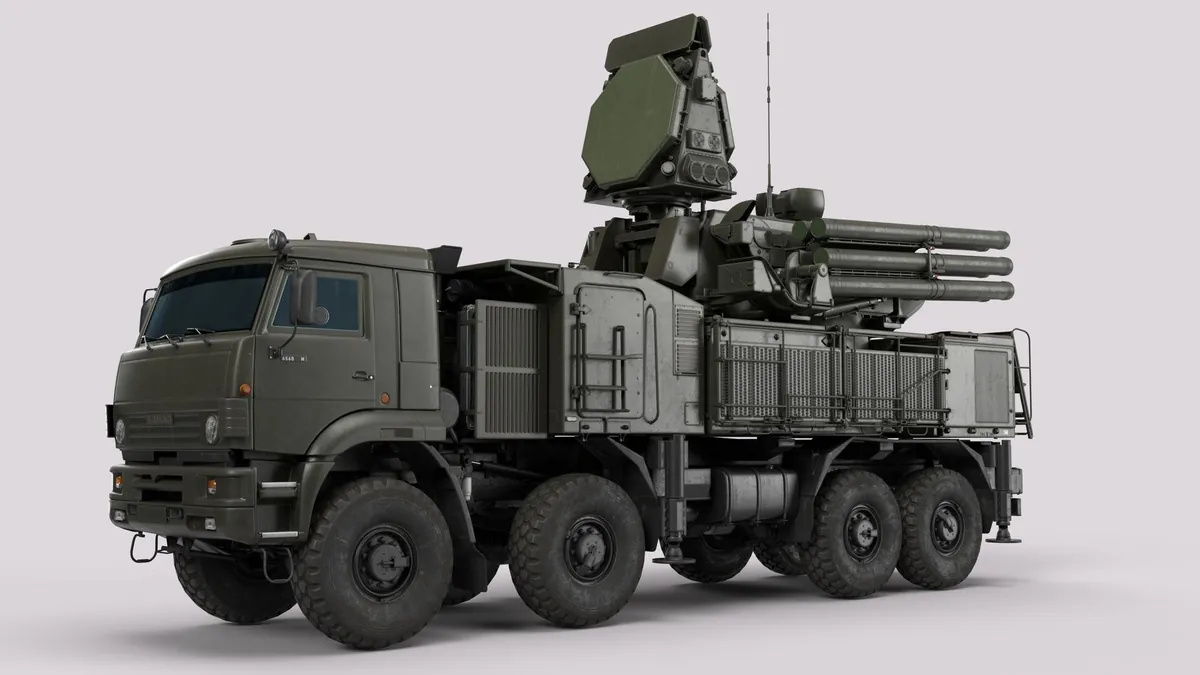
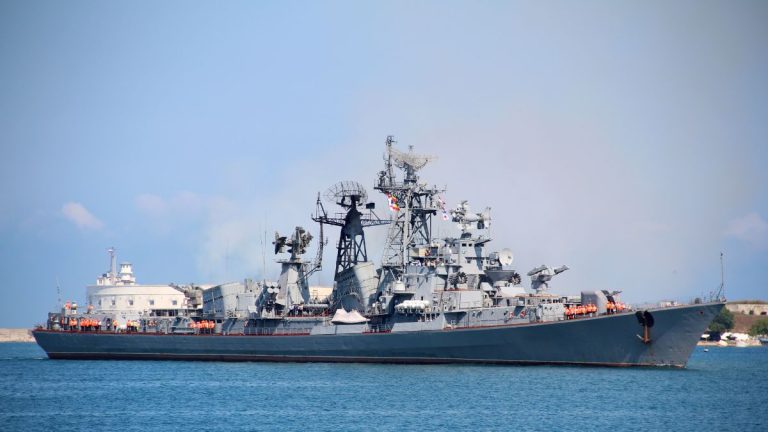
Russia’s Shtil-class incorporates a hybrid radar configuration that blends military-grade active phased arrays with passive commercial maritime receivers, creating an emission profile that confuses automated identification systems. The design philosophy mirrors concerns raised in analyses of rogue code crippling military infrastructure — the most dangerous vulnerabilities are often the ones that look completely normal. Operating primarily in the Black Sea and Baltic, the Shtil-class exploits dense civilian traffic to conduct surveillance missions with minimal detection risk.
- Key Reality: The Shtil-class carries Kalibr cruise missiles with a range exceeding 1,500 kilometers behind a near-civilian radar mask.
8. Evolved Cape-Class Corvette: Australian Stealth Platform with Commercial Radar Adaptation
Australia’s Evolved Cape-class program adapts commercial offshore patrol vessel architecture with military stealth overlays, producing a corvette that is functionally invisible within the heavy fishing and cargo traffic of the Indo-Pacific. The commercial radar adaptation strategy allows the vessels to operate without triggering automated maritime domain awareness alerts that would flag a conventional warship. This makes them uniquely effective for grey-zone operations where legal ambiguity and sensor ambiguity must work in tandem.
- Key Reality: The Evolved Cape-class program represents a AU$1.2 billion investment in vessels specifically designed to exploit civilian maritime electromagnetic cover.
The era of stealth naval corvettes is fundamentally an era of deception at scale, where the most lethal ships on earth are the ones that look the most ordinary. As navies worldwide invest in platforms that weaponize ambiguity rather than brute-force invisibility, the line between warship and fishing vessel on a radar screen grows dangerously thin — drop your thoughts on which of these designs you find most strategically alarming in the comments below.