9 Times Rogue Code Crippled Military Infrastructure


Modern warfare is no longer fought exclusively on physical battlefields — it’s waged in lines of code, firmware stacks, and networked defense platforms operating at classified altitudes. The assumption that military-grade systems are inherently impenetrable has persisted for decades, quietly masking a far more fragile digital reality beneath the surface.
Military software vulnerabilities have emerged as one of the most consequential and underreported threats facing global defense infrastructure in 2026. The 9 incidents below expose exactly how rogue code has bypassed billion-dollar defenses, disrupted operations, and compromised the lives of service members worldwide.
1. The Defense Contractor Supply Chain Breach That Exposed Classified Weapon System Blueprints

A sophisticated supply chain intrusion targeting a tier-1 defense contractor allowed adversaries to exfiltrate classified weapon system schematics before detection. The breach exploited trusted vendor access credentials embedded deep within procurement software. Investigators later confirmed the attackers had maintained persistent access for over 9 months undetected.
- Key Reality: Supply chain attacks now account for 62% of all defense sector breaches, according to 2026 cybersecurity assessments.
2. Critical Vulnerability in Military Communication Satellites Allowing Unauthorized Signal Interception

Researchers identified a critical flaw in the ground-control software managing a constellation of military communication satellites, enabling unauthorized parties to intercept encrypted transmissions. The vulnerability stemmed from an unpatched authentication bypass in the uplink command interface. Concerns around this type of exposure directly mirror the broader conversation around military encryption resilience heading into the quantum era.
- Key Reality: The compromised satellite network served communications for over 14 active operational theaters simultaneously.
3. Ransomware Attack on Naval Fleet Management Systems Disrupting Deployment Schedules

A ransomware payload embedded inside a routine software update locked naval administrators out of fleet scheduling and logistics platforms for 72 hours. Deployment timelines for 3 carrier strike groups were directly affected, forcing manual coordination across fragmented backup systems. The attackers demanded 47 million dollars in cryptocurrency before decryption keys were eventually recovered through independent forensic efforts.
- Key Reality: Naval ransomware incidents increased by 38% year-over-year in 2026 threat intelligence reports.
4. Zero-Day Exploit in Air Defense Radar Software Creating Blind Spots in Airspace Monitoring

A zero-day exploit targeting air defense radar processing software introduced deliberate blind spots into monitored airspace, rendering specific flight corridors effectively invisible to operators. The flaw was weaponized during a simulated adversarial incursion exercise before being discovered in live operational environments. Defense analysts noted the incident bore striking similarities to scenarios documented in AI-driven military simulations that predicted exactly this class of failure.
- Key Reality: The exploit remained undetected across 6 active installations for an estimated 4 months.
5. Malicious Code Injection in Military Personnel Database Compromising Soldier Identity Records
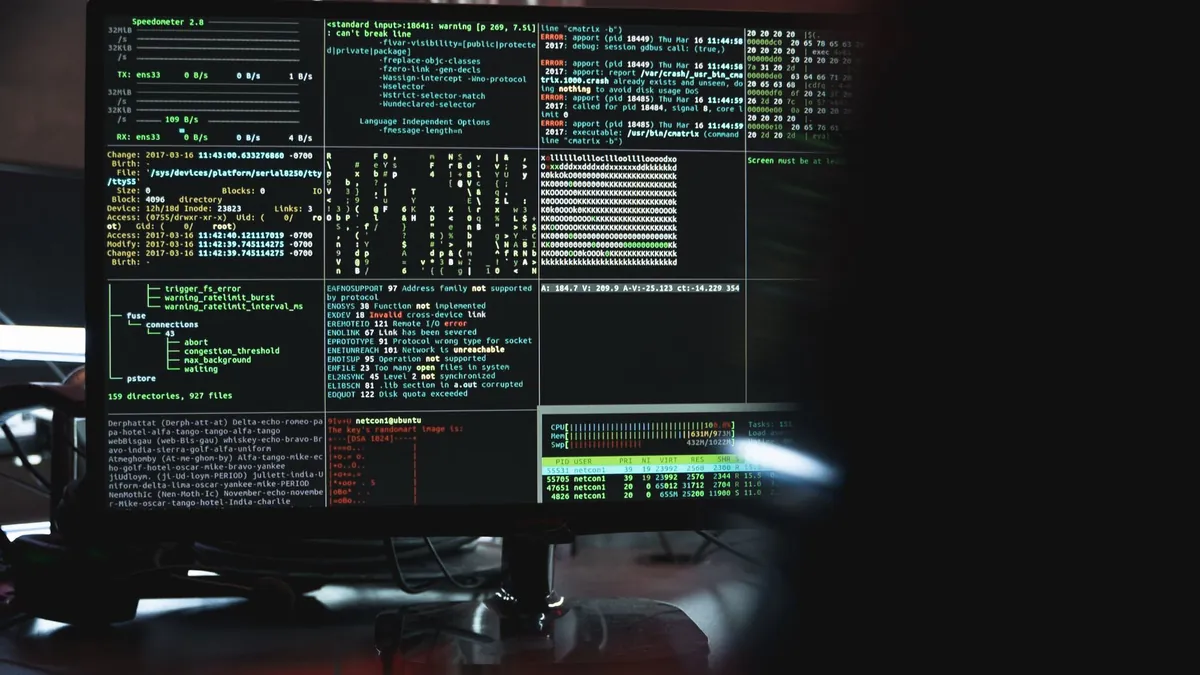
A targeted code injection attack penetrated a centralized military personnel database, exposing the biometric and service records of approximately 2.3 million active-duty soldiers. The malicious script was disguised as a routine data normalization routine submitted through an internal HR software vendor. Compromised identity data subsequently surfaced on dark web marketplaces within 48 hours of the breach.
- Key Reality: Identity-based military breaches carry an average remediation cost of 9.4 million dollars per incident.
6. Firmware Vulnerability in Drone Control Systems Enabling Remote Hijacking of Unmanned Aircraft

A firmware-level vulnerability discovered in a widely deployed drone control platform allowed adversaries to remotely seize command authority over unmanned aircraft mid-mission. The exploit bypassed authentication entirely by targeting an unencrypted bootloader sequence present across multiple hardware generations. This incident reinforces the escalating concerns around drone manufacturing security risks that defense researchers have flagged repeatedly.
- Key Reality: At least 11 unmanned aircraft were confirmed hijacked before the firmware patch was distributed.
7. SQL Injection Flaw in Military Logistics Platform Disrupting Supply Chain Operations

An elementary SQL injection vulnerability embedded in a military logistics management platform allowed attackers to manipulate inventory records and corrupt resupply requisition data across forward operating bases. The flaw had existed in the codebase for an estimated 3 years before active exploitation was detected. Disrupted supply chains delayed critical equipment deliveries to 8 active deployment zones.
- Key Reality: SQL injection remains among the top 3 most exploited vulnerability classes in defense-sector platforms.
8. Backdoor Access Point Discovered in Military Intelligence Analysis Software Exposing Classified Reports

Auditors uncovered a deliberately planted backdoor within a widely used military intelligence analysis platform, granting unauthorized external parties read access to classified analytical reports. The backdoor was traced to a compromised third-party code library integrated during a routine software dependency update. Over 1,400 classified intelligence assessments were confirmed as potentially exposed before the access point was closed.
- Key Reality: Third-party library compromises now represent 29% of all critical military software vulnerabilities identified in 2026.
9. Buffer Overflow Vulnerability in Combat Vehicle Fire Control Systems Causing Operational Failures

A buffer overflow flaw in the embedded software governing combat vehicle fire control systems triggered spontaneous targeting recalibration failures during live field operations. The vulnerability caused targeting systems on 23 vehicles to lock up entirely under high-data-throughput conditions. Engineers required 11 days to develop and deploy a validated patch across the affected fleet without interrupting active operational readiness.
- Key Reality: Embedded system vulnerabilities in combat platforms carry a remediation window averaging 17 days longer than standard enterprise software.
Military software vulnerabilities are no longer edge-case anomalies — they are systemic, persistent, and increasingly weaponized by sophisticated state and non-state actors alike. Every incident above underscores a single uncomfortable truth: the most dangerous battlefield of 2026 runs on unpatched code. Drop your thoughts in the comments — which of these vulnerabilities concerns you most, and do you think defense agencies are moving fast enough to respond?