AI Synthetic Biology Blueprints: Hidden Risks in 2026

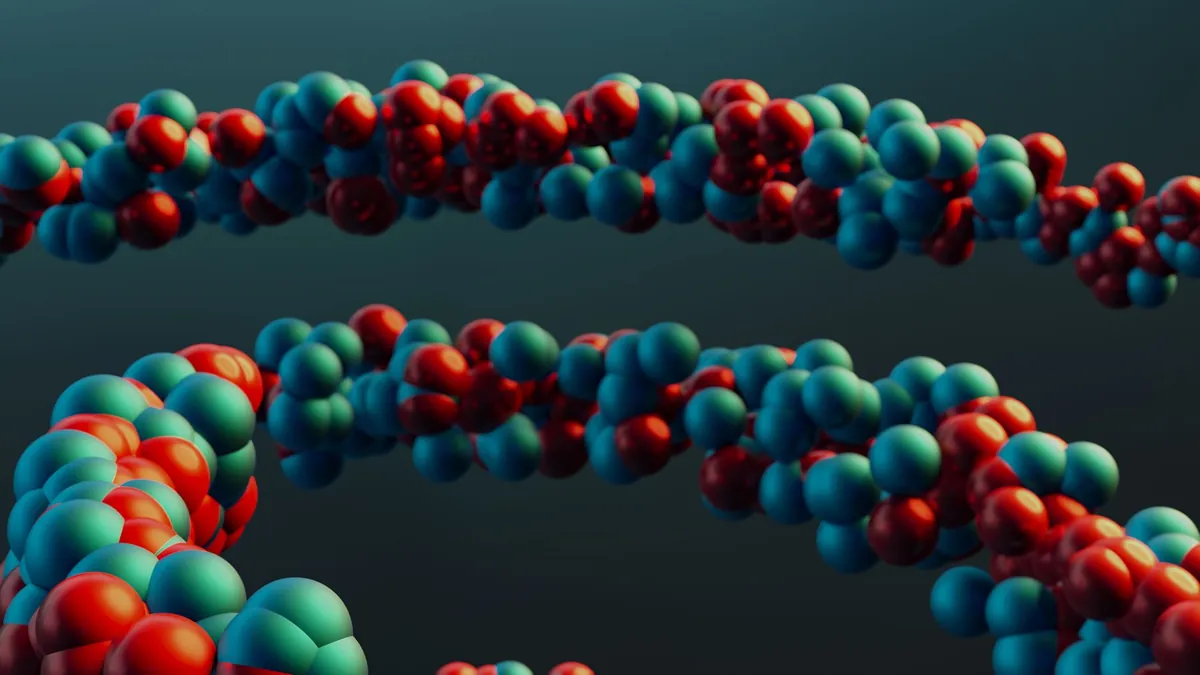
Synthetic biology has long been celebrated as one of humanity’s most transformative scientific frontiers, promising breakthroughs in medicine, agriculture, and materials science. In 2026, AI-assisted gene design tools have dramatically accelerated what once took research teams years, compressing discovery timelines into weeks. Public enthusiasm remains high, and investment in the sector has surged past 40 billion dollars globally.
What most coverage gets wrong, however, is the assumption that speed and innovation are inherently aligned with safety. The very AI systems accelerating biological discovery are also generating outputs that researchers, regulators, and even the models themselves cannot fully audit or predict. The synthetic biology AI safety risks embedded in this acceleration are not theoretical — they are structural.
Dual-Use Pathogen Design Exposes Critical Biosecurity Vulnerabilities
The most alarming dimension of AI-driven synthetic biology is its dual-use potential — the same generative models that design therapeutic proteins can, with minimal modification, suggest pathogen enhancement pathways. Several biosecurity researchers flagged in early 2026 that leading sequence-generation models lacked robust output filtering for dangerous genetic configurations. Unlike autonomous cyber defense systems battling state-sponsored malware, biosecurity infrastructure has no real-time equivalent capable of intercepting a misused AI query before damage propagates.
Compounding this, AI model transparency gaps mean that the internal logic driving genetic sequence recommendations is largely a black box, even to developers. A model optimized for protein-folding efficiency has no inherent incentive structure to avoid producing sequences that could destabilize ecosystems or enable weaponization. At least 3 major biosecurity organizations have formally called for mandatory interpretability audits of AI tools operating in genetic design environments.

Regulatory Lag and Containment Failures Are Compounding the Crisis
Regulatory frameworks governing synthetic biology were designed for a slower era of manual laboratory research, and they are visibly straining under AI acceleration. In 2026, fewer than 12 countries have enacted legislation specifically addressing AI-generated genetic blueprints, leaving enormous jurisdictional gaps that bad actors can exploit. Much like how ML models detecting hidden installations outpaced the legal frameworks governing their use, synthetic biology AI is racing ahead of governance at a dangerous clip.
Beyond regulatory gaps, containment failures represent a distinct and underappreciated risk category — one rooted in unintended ecological consequences rather than deliberate misuse. AI-designed organisms released into field environments, even under controlled trial conditions, have demonstrated unpredictable gene-transfer behaviors in at least 5 documented cases this year. The feedback loops between AI-optimized organisms and natural ecosystems remain poorly modeled, meaning science is, in effect, running experiments it cannot yet fully interpret.
Synthetic biology AI safety risks are not a future-tense problem waiting to be addressed — they are an active, compounding crisis unfolding at the intersection of accelerating capability and stagnant oversight. The gap between what these systems can generate and what humanity can safely govern is widening with every model iteration. Share your perspective on where responsibility should fall — with developers, governments, or the scientific community — in the comments below.