6th Gen Fighter Cockpits: Digital Displays Explained

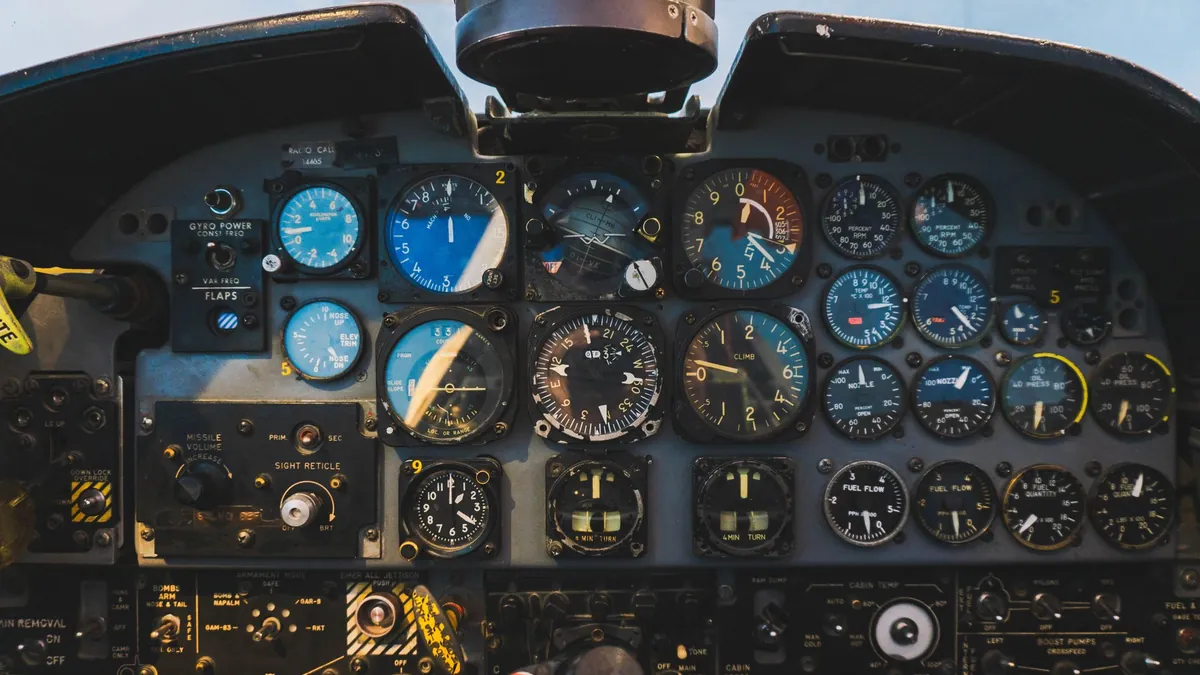
Modern air combat has always been a race between human reaction time and machine capability, but the gap is closing faster than most people realize. The cockpits of today’s emerging sixth-generation fighters look less like traditional aircraft interiors and more like something borrowed from science fiction, with wraparound displays, neural-linked helmet systems, and AI co-pilots operating in real time. Public imagination still pictures a pilot gripping a stick and scanning analog dials, but that picture is now dangerously outdated.
What makes sixth-generation fighter cockpit technology genuinely disruptive isn’t just the visual spectacle of its digital interfaces — it’s the fundamental restructuring of how humans and machines share decision-making authority in lethal environments. The assumption that a pilot is always the primary decision-maker is being quietly dismantled by the very systems designed to keep that pilot alive. Understanding what’s actually inside these cockpits reveals a transformation far more profound than an upgraded screen.
Sixth-Generation Cockpit Architecture Breaks From Every Previous Design Paradigm
Traditional fighter cockpits evolved incrementally — more instruments, then multifunction displays, then HOTAS controls — but sixth-generation architecture represents a clean-sheet reinvention. Engineers are eliminating the physical clutter of legacy switches and replacing them with fully adaptive, touch-responsive panoramic displays that reconfigure based on mission phase. The entire instrument panel becomes a dynamic battlefield canvas rather than a fixed arrangement of gauges.
Real-time sensor fusion is the backbone of this new architecture, pulling data simultaneously from onboard radar, satellite uplinks, allied drone swarms, and electronic warfare suites into a single coherent operational picture. Defense contractors developing these platforms have described the cockpit as a “cognitive workspace,” a term that signals how radically the pilot’s role has shifted from manual operator to mission commander. This architectural leap shares conceptual DNA with broader autonomous military developments, including the rise of fiber-optic tethered drones that feed persistent ISR data directly into networked cockpit environments.
AI Decision Support Systems Are Rewriting the Pilot’s Role in Real Combat Scenarios
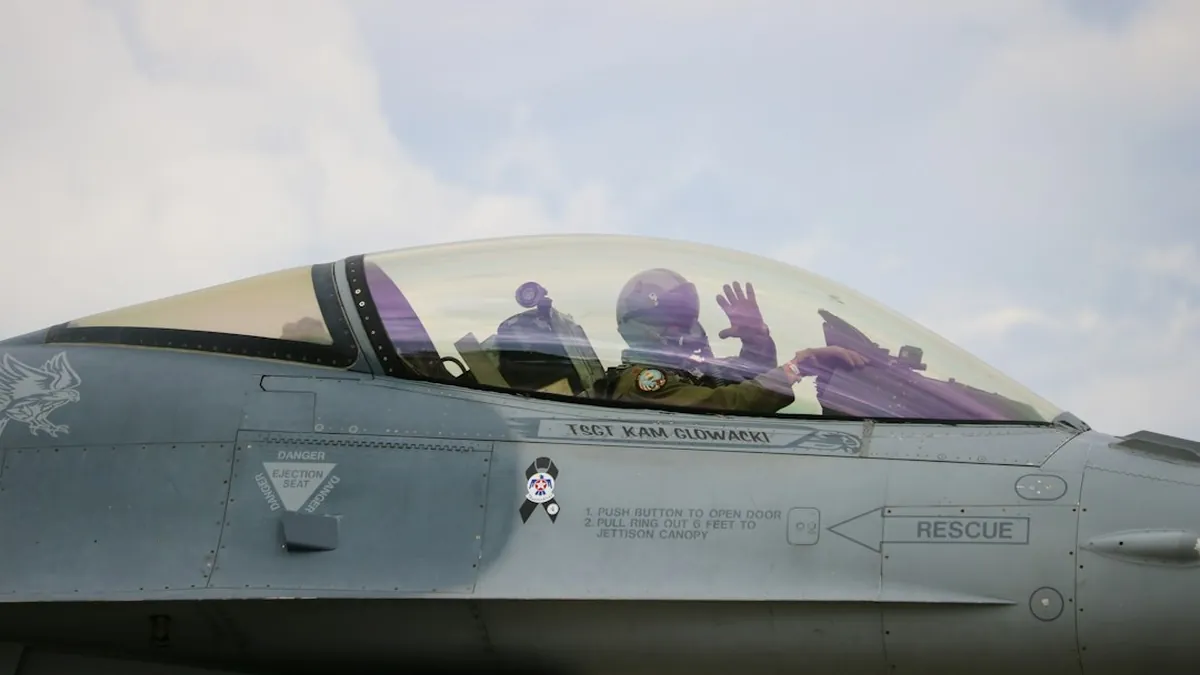
The most consequential layer of sixth-generation fighter cockpit technology is its embedded AI, which doesn’t merely display information but actively recommends — and in some configurations, autonomously executes — tactical responses within pre-authorized parameters. Pilots interact with these systems through voice command, eye-tracking, and gesture recognition, reducing cognitive load during the most time-critical moments of a sortie. The human-machine interface is specifically engineered to prevent information overload, a known fatal factor in high-tempo engagements.
This is where serious ethical and operational friction emerges: the same AI autonomy that saves a pilot’s life in a supersonic engagement also raises urgent questions about accountability and escalation control, concerns explored in depth through analysis of AI-driven global conflict triggers that defense analysts are actively debating. Military planners must now design rules of engagement that account for systems capable of acting faster than any human authorization chain can respond. The cockpit, once a sealed bubble of individual pilot judgment, has become a node in a vast, semi-autonomous combat network.
Sixth-generation fighter cockpit technology represents the most significant leap in aerial warfare human-machine integration since the jet age began, compressing decades of incremental progress into a single generational jump. The pilots who fly these aircraft won’t just be warriors — they’ll be battlefield orchestrators managing AI teammates, drone wingmen, and real-time global intelligence simultaneously. If you have thoughts on where the line between human control and machine autonomy should be drawn in next-generation combat systems, share them in the comments below.