7 Autonomous Weapon Systems Operating at Borders

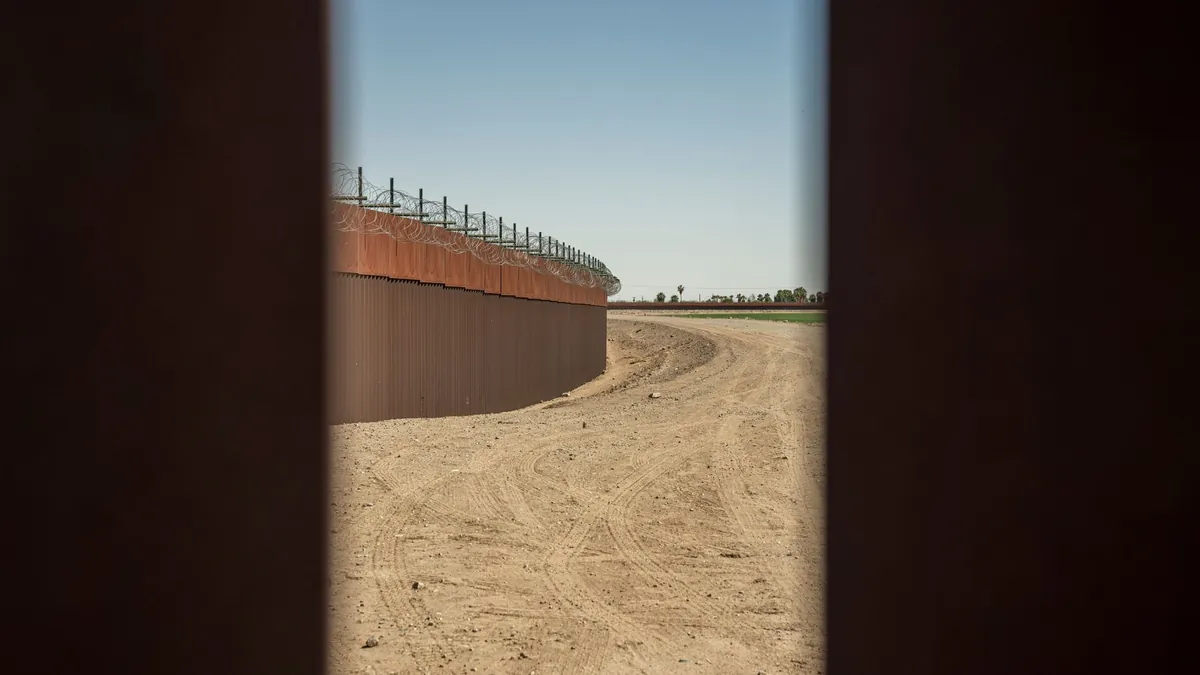
The image of a human soldier standing watch at a fortified border crossing is rapidly becoming a relic of 20th-century security doctrine. In 2026, the world’s most contested perimeters — from disputed maritime zones to high-altitude mountain frontiers — are increasingly monitored, patrolled, and defended by machines that never sleep, never blink, and never hesitate.
Most people still assume autonomous weapons belong to science fiction or classified black-site programs, but the operational reality is far more immediate. Autonomous weapon systems at borders are not prototypes — they are active, deployed, and making real-time decisions that carry life-or-death consequences right now.
1. AI-Powered Surveillance Drones Monitoring International Perimeters

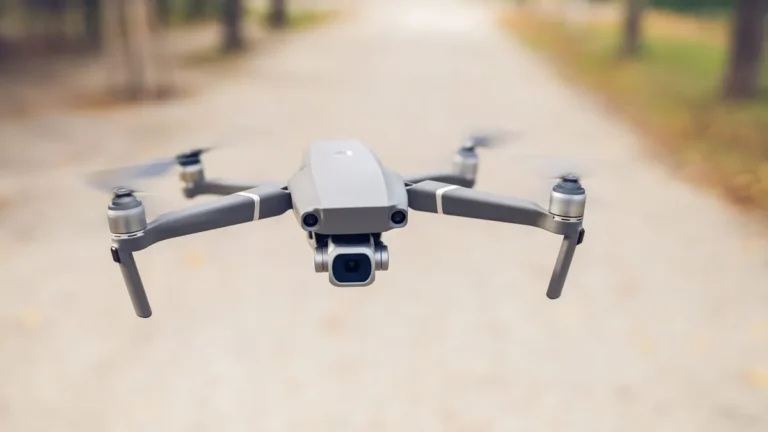
AI-driven surveillance drones have become the first line of detection across dozens of international borders, operating in swarms that can cover thousands of square kilometers per sortie. These systems use onboard machine learning to distinguish civilians from armed combatants with accuracy rates exceeding 94% in field trials. The military drones reshaping conflicts in 2026 represent a generational leap beyond anything deployed just 3 years ago.
- Key Reality: Swarm deployments of 50 or more drones can sustain 24/7 perimeter coverage at roughly 30% of the cost of equivalent human patrols.
2. Autonomous Ground Vehicles Patrolling Border Checkpoints
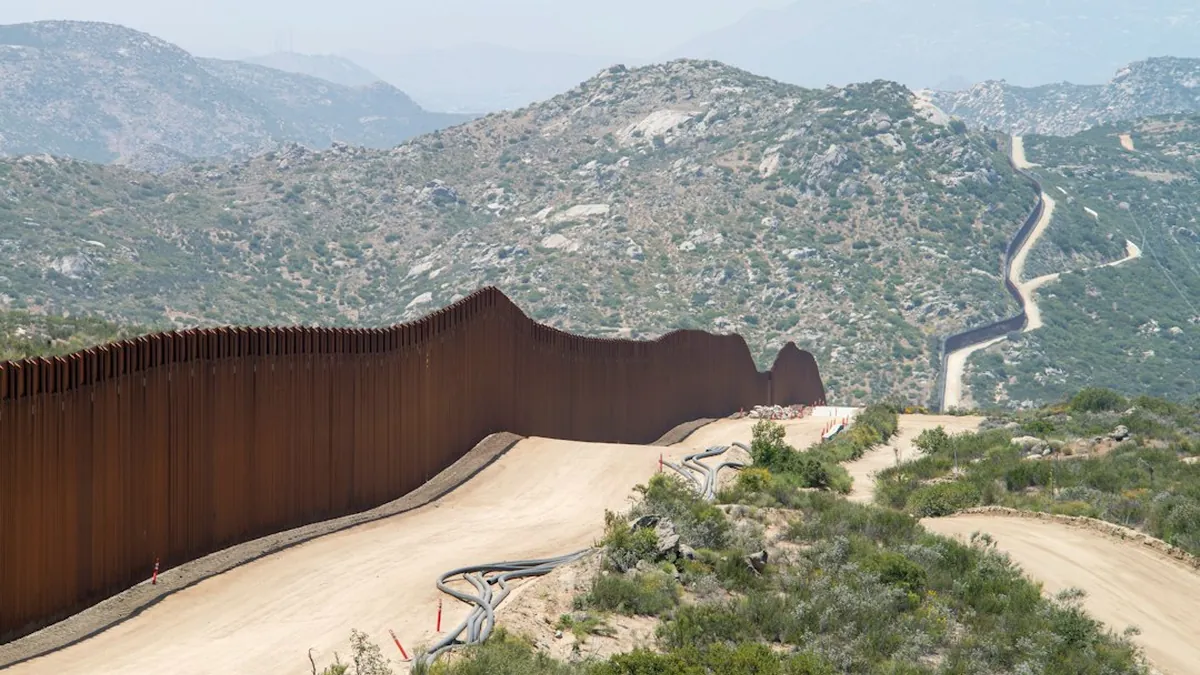
Unmanned ground vehicles (UGVs) equipped with thermal imaging, acoustic sensors, and non-lethal deterrent systems are now active at high-traffic border checkpoints across at least 11 nations. These platforms operate on pre-programmed patrol routes but can dynamically reroute when onboard AI detects anomalies. Their presence has reduced checkpoint staffing requirements by up to 40% in pilot programs across Eastern Europe and Southeast Asia.
- Key Reality: A single UGV deployment costs approximately 180,000 dollars annually — a fraction of the 620,000-dollar average cost of stationing a human soldier.
3. Intelligent Radar Systems Detecting Cross-Border Threats

Next-generation radar arrays now integrate AI processing layers that can identify, classify, and track cross-border threats — from low-flying drones to tunneling activity — in real time. Unlike legacy radar, these systems self-calibrate against environmental noise, dramatically cutting false-positive alert rates. Several nations have paired these arrays with high-altitude surveillance platforms to create overlapping detection grids with near-zero blind spots.
- Key Reality: Modern AI radar systems can track up to 1,200 simultaneous objects within a 300-kilometer radius with sub-2-second latency.
4. Robotic Sentry Towers with Real-Time Target Recognition

Fixed autonomous sentry towers — armed with cameras, speakers, and in some configurations, directed-energy deterrents — now guard stretches of border that were previously impossible to staff continuously. These towers use computer vision models trained on millions of annotated images to distinguish threats from wildlife or civilians in under 0.8 seconds. South Korea’s DMZ deployments remain the most cited real-world benchmark for this technology’s operational maturity.
- Key Reality: Sentry tower systems have logged over 2 million autonomous threat assessments globally in 2026 alone, with human override invoked in fewer than 3% of cases.
5. Autonomous Naval Vessels Securing Maritime Boundaries

Unmanned surface vessels (USVs) and autonomous submarines are actively patrolling contested maritime boundaries, intercepting smuggling routes, and shadowing foreign naval incursions without a single crew member aboard. These platforms communicate via encrypted mesh networks, enabling coordinated responses across fleets of 20 or more vessels simultaneously. Their deployment has fundamentally altered the calculus of maritime sovereignty enforcement in the South China Sea and the Eastern Mediterranean.
- Key Reality: Autonomous naval vessels can sustain patrol operations for up to 90 days without resupply, compared to a 7-to-14-day operational window for crewed equivalents.
6. AI-Enabled Sensor Networks for Border Intrusion Detection

Distributed sensor networks — combining seismic detectors, infrared tripwires, and acoustic listeners — now form invisible digital fences across vast stretches of remote border terrain. An AI fusion engine aggregates data from hundreds of sensor nodes simultaneously, generating a unified threat picture updated every 2 seconds. These networks are particularly effective in desert and arctic environments where physical infrastructure deployment is logistically prohibitive.
- Key Reality: Sensor network deployments covering 100 kilometers of border cost as little as 4 million dollars — roughly 85% less than equivalent physical fencing with staffed watchtowers.
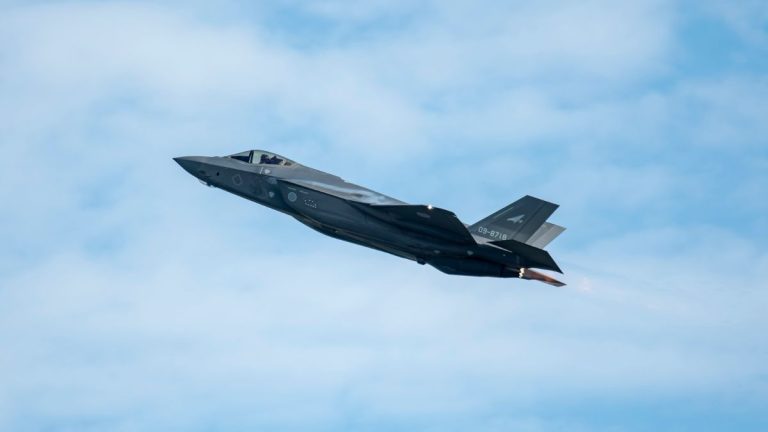
7. Autonomous Aerial Defense Systems Protecting Airspace Corridors
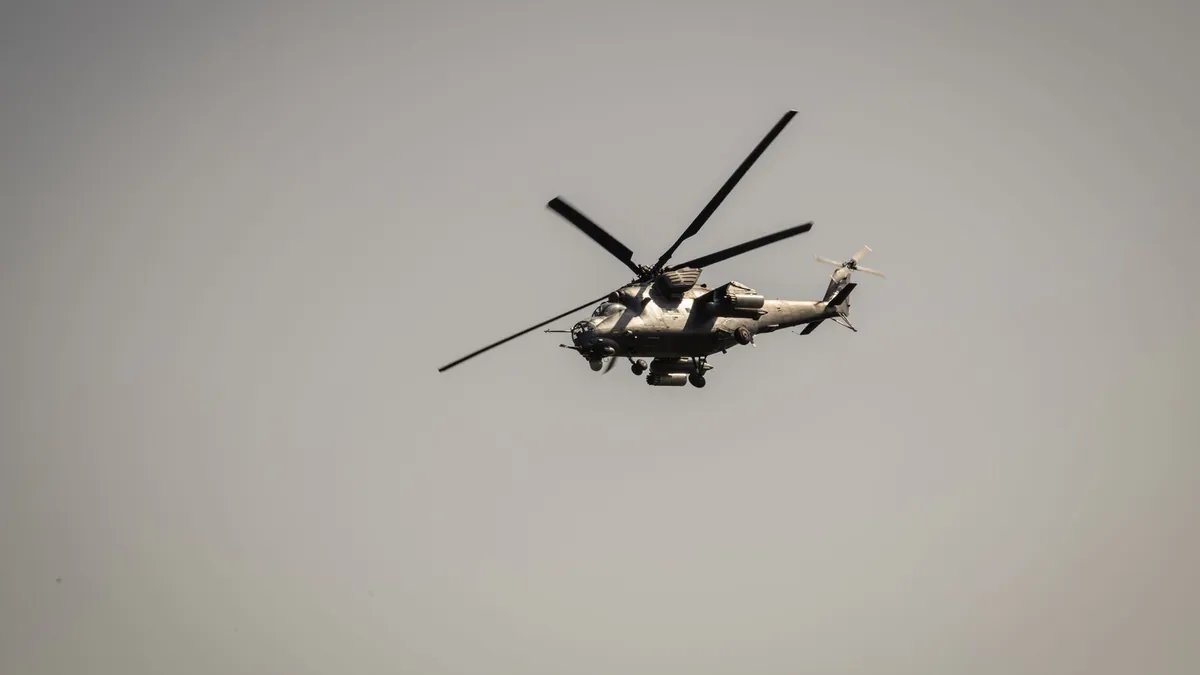
AI-driven aerial defense platforms — including autonomous interceptor drones and smart missile defense nodes — are now tasked with protecting sovereign airspace corridors without requiring human authorization for every engagement decision. These systems operate under pre-approved rules of engagement frameworks, making intercept decisions in milliseconds when incoming threats breach defined parameters. The ethical and legal debates surrounding their deployment remain among the most urgent unresolved questions in international security law.
- Key Reality: Autonomous aerial defense systems can process and respond to an incoming threat in as little as 0.3 seconds — approximately 60 times faster than a human operator under equivalent conditions.
Autonomous weapon systems at borders are no longer a distant policy debate — they are an operational reality reshaping sovereignty, security, and the ethics of force in real time. The 7 systems detailed here represent only the most visible layer of a technological transformation that is accelerating faster than most international frameworks can track. If you have thoughts on where the line between security and autonomous lethality should be drawn, drop them in the comments below.