11 Deepfake Cyber Weapons in 2026: Geopolitical Threats

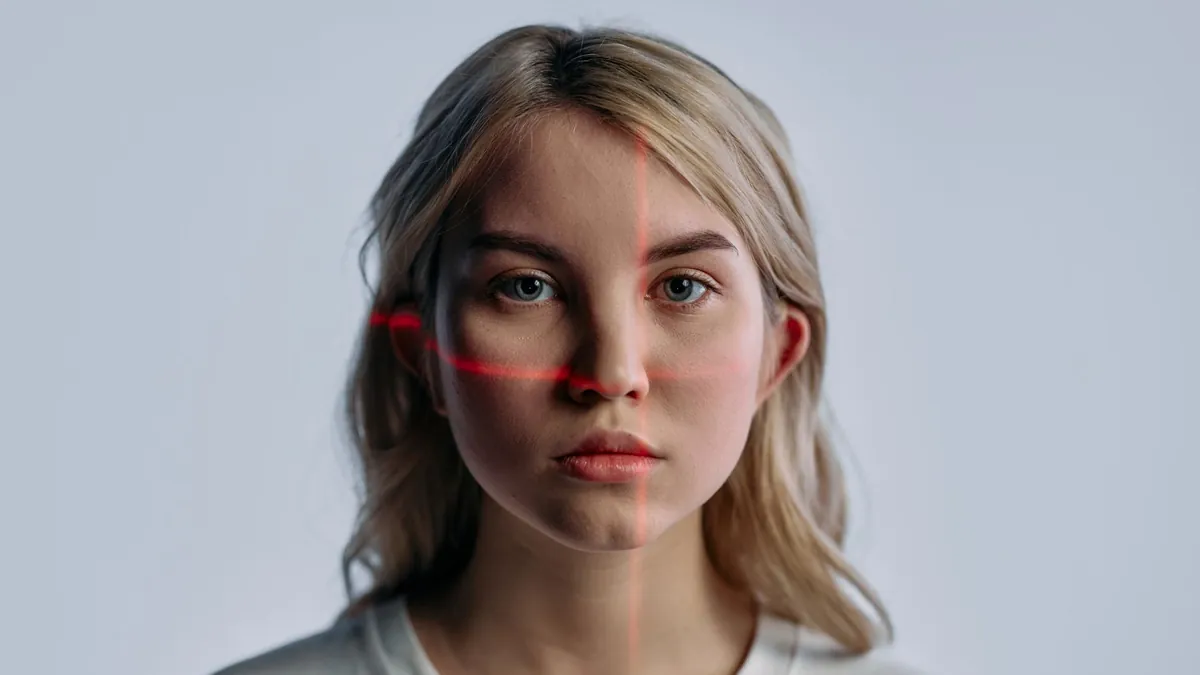
The battlefield of 2026 looks nothing like the wars of previous generations — no trenches, no visible missiles, and no uniformed enemy crossing a border. Instead, the most destabilizing weapons being deployed today are synthetic, invisible, and indistinguishable from reality to the human eye. Deepfake cyber weapons have quietly graduated from a novelty concern into a full-spectrum geopolitical threat.
Most people still associate deepfakes with viral celebrity videos or social media hoaxes, dramatically underestimating their strategic military and political applications. Nation-state actors, rogue operatives, and sophisticated criminal networks are now weaponizing AI-generated media in ways that exploit the exact trust systems democracies and institutions depend on. These 11 deployments represent the sharpest edges of that threat landscape right now.
1. Synthetic Video Impersonation of Political Leaders During Crisis Negotiations

A fabricated video of a head of state issuing false concessions or ultimatums during active diplomacy could collapse a ceasefire within hours. These synthetic impersonations are now generated with sub-48-hour turnaround by state-sponsored AI labs, making verification nearly impossible in real-time crisis windows. The geopolitical damage is designed to be irreversible before the fake is even confirmed.
- Key Reality: Detection tools currently lag behind generation capabilities by an estimated 18 months in accuracy benchmarks.
2. AI-Generated Audio Deepfakes Triggering False Military Alerts and Escalation
Cloned command-authority voices injected into military communication channels can issue false launch authorizations or stand-down orders with terrifying authenticity. Even a 4-minute window of confusion at a regional command center is enough to trigger irreversible escalation protocols. This threat has already prompted NATO to overhaul its voice-authentication verification chains in 2026.
- Key Reality: Modern voice synthesis requires as few as 3 seconds of source audio to produce a convincing command-grade clone.
3. Facial Reenactment Technology Compromising Biometric Security Systems at Border Checkpoints

Real-time facial reenactment tools can now overlay a stolen identity onto a live face with enough fidelity to fool second-generation biometric scanners. Operatives have exploited this at high-value transit corridors, enabling the movement of sanctioned individuals across monitored borders. The broader AI advantages and disadvantages of technology this powerful are reshaping physical security doctrine globally.
- Key Reality: At least 6 documented border security failures linked to deepfake spoofing were reported across Europe in 2026.
4. Manipulated Financial Executive Statements Destabilizing Stock Markets and Currency Exchange

A synthetic video of a central bank governor announcing an emergency rate cut can trigger billions in automated trading activity before a single human analyst flags the anomaly. These market manipulation attacks exploit algorithmic trading systems that react to media sentiment in milliseconds. 1 well-timed deepfake targeting a G7 currency could erase 2% to 4% of market capitalization within a single trading session.
- Key Reality: Deepfake-driven market manipulation is now classified as a Tier 1 financial crime risk by the Financial Stability Board.
5. Deepfake Propaganda Videos Inciting Civil Unrest and Ethnic Tensions Within Nations
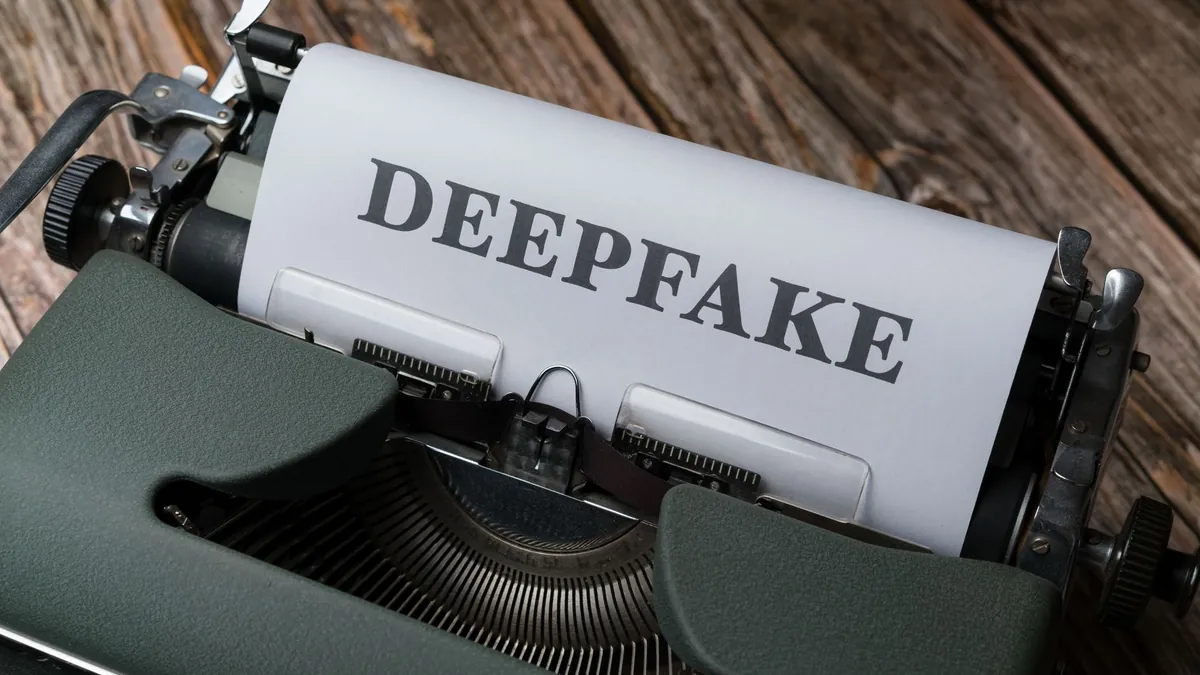
Synthetic footage depicting fabricated atrocities or inflammatory statements by political figures can ignite street-level violence within hours of distribution across encrypted messaging platforms. These operations are precision-engineered for specific cultural fault lines, maximizing emotional impact in already-polarized communities. The speed of social sharing means corrections almost never reach the same audience as the original fabrication.
- Key Reality: Deepfake propaganda videos now account for an estimated 17% of coordinated inauthentic behavior campaigns tracked by major platforms.
6. Voice Cloning Attacks Bypassing Voice Authentication in Critical Infrastructure Control Systems
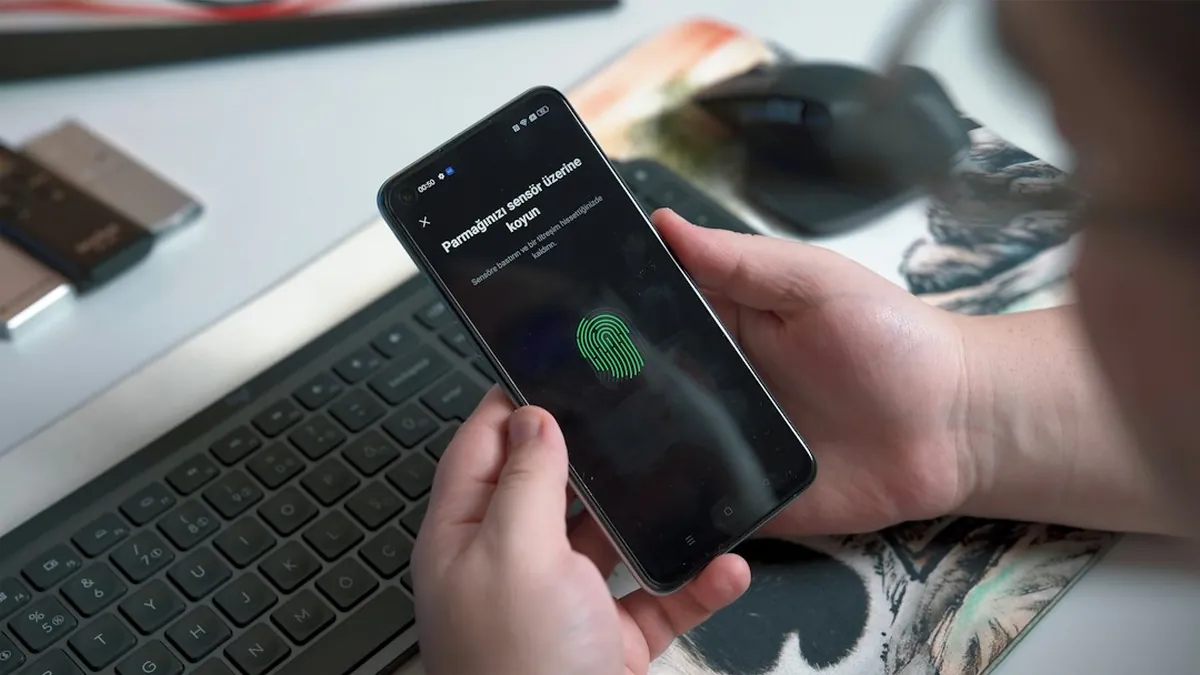
Power grids, water treatment facilities, and nuclear monitoring systems that rely on voice-authenticated access are acutely vulnerable to high-fidelity cloned credentials. Attackers need only a publicly available interview or press conference recording to harvest the source audio required for a convincing clone. Understanding the full scope of AI productivity and creative tools reveals just how accessible this synthesis technology has become to non-state actors.
- Key Reality: Voice authentication alone now fails to meet cybersecurity compliance standards in 34 U.S. states as of 2026.
7. Synthetic Imagery of Weapons Deployment Creating False Intelligence for Military Decision-Making
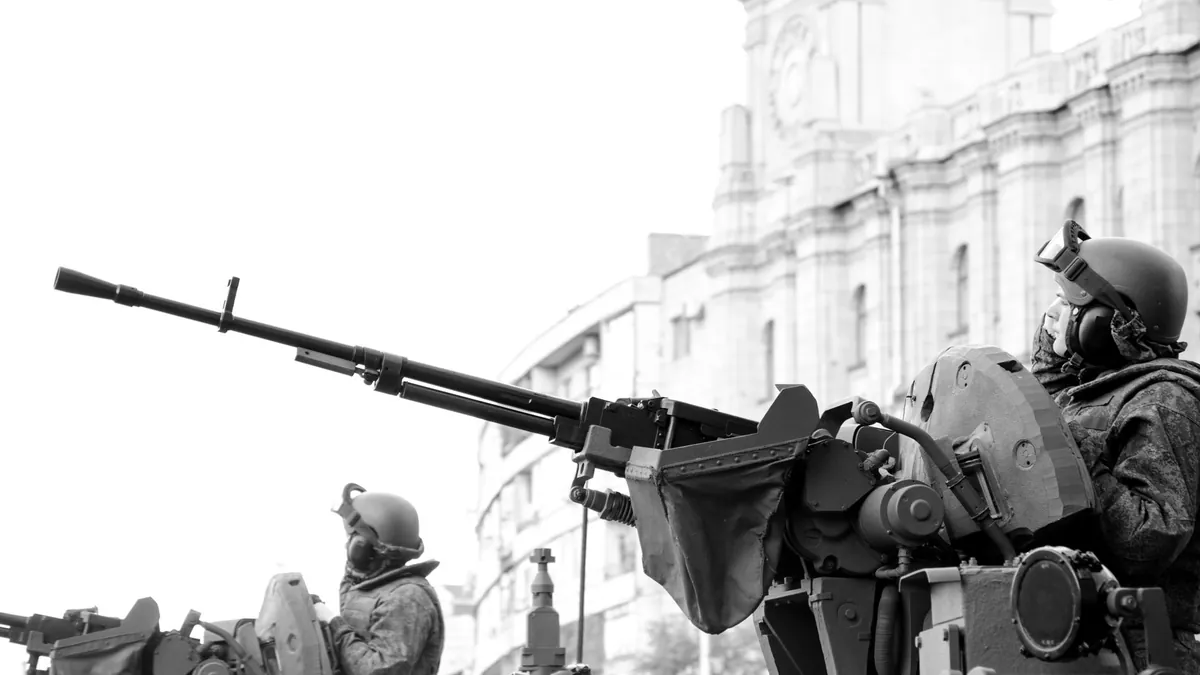
AI-generated satellite imagery and battlefield footage depicting false troop movements or weapons deployments can corrupt the intelligence assessments that drive military responses. When decision-makers act on fabricated visual evidence, the consequences range from misallocated resources to full-scale military engagement. These synthetic intelligence artifacts are increasingly difficult to distinguish from authentic ISR feeds even with expert analysis.
- Key Reality: The Pentagon allocated 340 million dollars in 2026 specifically toward synthetic media detection in intelligence workflows.
8. Deepfake Evidence Contamination Undermining Legal Proceedings and International Tribunals

When deepfake-generated video or audio is introduced as evidence — or when authentic evidence is dismissed as a potential deepfake — the entire evidentiary framework of international justice collapses. War crimes tribunals and domestic courts alike are grappling with a foundational crisis of media authenticity that no existing legal standard fully addresses. This is arguably the most corrosive long-term effect of deepfake cyber weapons on institutional trust.
- Key Reality: The International Criminal Court formally adopted a synthetic media evidence protocol for the first time in early 2026.
9. AI-Generated Intimate Content Used for Blackmail Against Government Officials and Diplomats

Synthetic non-consensual intimate imagery targeting ambassadors, ministers, and intelligence officials has emerged as a precision coercion tool for foreign intelligence services. The psychological leverage created by this material can redirect policy decisions, extract classified information, or simply neutralize an effective adversary. Unlike traditional blackmail, the fabricated nature of the content does not reduce its coercive power — the reputational threat alone is sufficient.
- Key Reality: 3 separate G20 nations confirmed diplomat-targeting deepfake blackmail operations in classified briefings this year.
10. Real-Time Facial Swapping in Video Conferences Enabling Unauthorized Access to Classified Briefings

Live deepfake overlays applied during secure video conferences allow operatives to impersonate cleared personnel and gain access to classified discussions in real time. These attacks exploit the social trust inherent in familiar faces, bypassing the skepticism that written communication might trigger. The proliferation of AI talking photo generators has normalized synthetic facial animation, making real-time swaps increasingly indistinguishable.
- Key Reality: Real-time deepfake latency has dropped below 200 milliseconds in 2026, effectively eliminating visible lag as a detection cue.
11. Synthetic Disaster Footage Triggering Emergency Response Misallocation and Resource Depletion

Fabricated footage of mass casualty events, infrastructure collapses, or chemical attacks can overwhelm emergency management systems by flooding them with