Apple Splits iPhone Release Schedule to Combat Market Saturation

Industry insiders confirmed this week that Apple is fundamentally restructuring its annual hardware strategy, marking the end of the traditional September launch blitz that has defined the smartphone market for over a decade. Reports surfacing on November 17 indicate the company will shift to a staggered biannual release cycle beginning with the iPhone 18 series. The new cadence places high-end “Pro” models and a highly anticipated foldable device in the fall window, while standard models will move to a spring release slot.
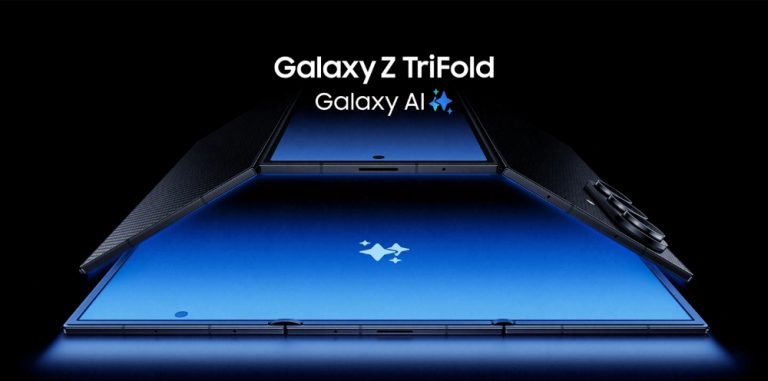
This strategic pivot addresses growing supply chain bottlenecks and aims to smooth revenue spikes that currently put immense pressure on Apple’s manufacturing partners during the holiday quarter. Analysts suggest the move is a direct response to Samsung’s successful split-release strategy, which separates its Galaxy S and Galaxy Z foldable launches. By decoupling the entry-level and enthusiast devices, Apple ensures it has fresh hardware on shelves year-round to compete with Android rivals in every quarter.
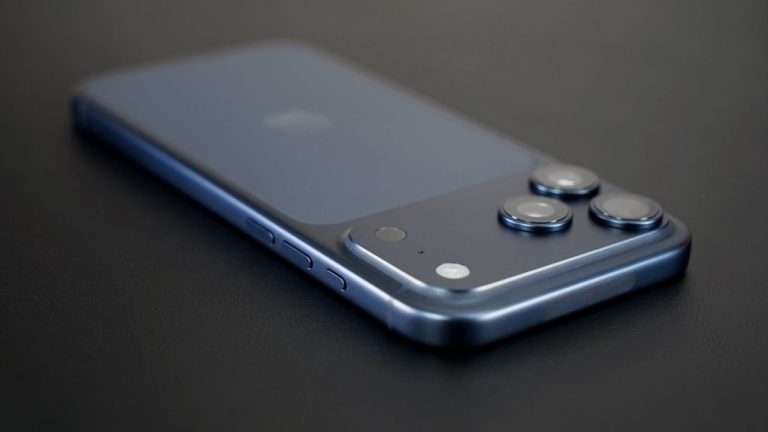
The leaked roadmap reveals that the iPhone 18 Pro, iPhone 18 Pro Max, and the company’s first foldable iPhone are scheduled for release in late 2026. Conversely, the standard iPhone 18 and a new “18e” model will not arrive until the spring of 2027. This staggered approach allows Apple to dedicate its most advanced 2-nanometer chip yields solely to the premium tier in the fall, mitigating the shortage issues that plagued the rollout of the iPhone 17 Pro earlier this year.
Market reaction has been mixed, with investors favoring the potential for more consistent quarterly earnings, while retail partners express concern over losing the massive foot traffic generated by a singular September event. Mark Gurman, a prominent tech analyst who broke the details of the shift, noted that concentrating all new products in one window had become a logistical burden that stifled marketing efforts for individual devices. The split also gives the forthcoming iPhone Air line its own breathing room to capture the mid-range market without being overshadowed by Pro specifications.
The transition begins immediately following the current iPhone 17 cycle, meaning the wait for the next base-model iPhone will extend roughly six months longer than usual. This gap represents a significant gamble for Apple, testing consumer loyalty in an era where upgrade cycles are already lengthening. However, the promise of a high-end foldable device arriving in time for the 2026 holiday season suggests Apple is betting heavily on form-factor innovation to drive the next supercycle.