8 Autonomous Cyber Defense Systems vs State-Sponsored Malware


State-sponsored cyberattacks have graduated far beyond crude phishing campaigns and opportunistic ransomware — they are now precision-engineered weapons deployed by nation-state actors with virtually unlimited resources. In 2026, critical infrastructure, financial systems, and military networks face adversaries operating with the patience, sophistication, and funding of entire governments.
The assumption that traditional firewalls and human security teams can match this threat at scale is dangerously outdated. Autonomous cyber defense systems have emerged as the only credible countermeasure capable of operating at machine speed — and the 8 technologies below represent the sharpest edge of that arms race.
1. AI-Powered Threat Detection and Real-Time Response Automation

Modern AI threat detection platforms process millions of network events per second, flagging malicious signatures in under 200 milliseconds — a speed no human analyst can match. These systems correlate threat intelligence feeds globally, enabling real-time response automation that isolates compromised nodes before lateral movement begins. State-sponsored actors specifically engineer malware to evade slow, manual triage, making speed the defining variable.
- Key Reality: Leading platforms now achieve threat containment in under 3 seconds on average, compared to the industry’s previous 24-hour benchmark.
2. Behavioral Analysis Engines That Identify Zero-Day Exploits

Signature-based detection is effectively useless against zero-day exploits, which carry no known fingerprint for traditional scanners to recognize. Behavioral analysis engines instead model what “normal” looks like across an entire network, flagging deviations that indicate novel attack patterns — even ones never seen before. Tools profiled in AI vulnerability scanner research confirm these engines are catching exploits weeks before official CVE disclosures.
- Key Reality: Behavioral engines reduced zero-day dwell time from an average of 197 days to under 11 days in enterprise deployments.
3. Autonomous Incident Response Orchestration Platforms

When a breach occurs, the first 60 seconds determine whether an organization loses gigabytes or terabytes of sensitive data. Autonomous incident response orchestration platforms execute predefined playbooks instantly — revoking credentials, segmenting networks, and preserving forensic evidence simultaneously. These platforms eliminate the costly delay introduced by human escalation chains during active intrusions.
- Key Reality: Organizations using orchestration platforms reduced average breach costs by 58% compared to manual response workflows.
4. Machine Learning-Based Anomaly Detection Systems

Unlike rule-based systems that require constant manual updates, machine learning anomaly detection continuously retrains on live network traffic to evolve alongside emerging threats. These systems are particularly effective against advanced persistent threats (APTs), which deliberately mimic legitimate user behavior to avoid detection. The self-updating nature of ML models makes them inherently more resilient than static security configurations.
- Key Reality: ML anomaly systems now detect insider-threat patterns with 94% accuracy, up from 67% just 2 years ago.
5. Self-Healing Network Infrastructure with Autonomous Patching

Unpatched vulnerabilities remain the single most exploited attack vector used by state-sponsored groups, who maintain private databases of known enterprise weaknesses. Self-healing network infrastructure eliminates this window by autonomously identifying, testing, and deploying patches without requiring maintenance downtime. This capability is especially critical for operational technology environments where manual patching schedules create months-long exposure windows.
- Key Reality: Autonomous patching systems close critical vulnerabilities within 4 hours of disclosure, versus the global average of 102 days manually.
6. Distributed Honeypot Networks for Malware Deception and Analysis

Distributed honeypot networks deploy thousands of convincing decoy assets across an organization’s infrastructure, luring state-sponsored actors into revealing their tools, tactics, and objectives. Every interaction with a honeypot is a data-collection opportunity — feeding threat intelligence directly back into defensive AI models. The deception layer effectively turns adversary reconnaissance operations into intelligence gifts for defenders.
- Key Reality: Honeypot networks have successfully fingerprinted malware strains linked to at least 7 distinct nation-state threat actor groups in 2026 alone.
7. Autonomous Threat Hunting with Predictive Intelligence Models

Reactive defense is no longer sufficient when adversaries pre-position malware inside networks months before activation — a tactic extensively documented in classified defense AI research. Autonomous threat hunting platforms use predictive intelligence models to proactively search for dormant implants, command-and-control beacons, and staging infrastructure before attackers execute. This shifts the defensive posture from reactive containment to active disruption of attack timelines.
- Key Reality: Predictive threat hunting has uncovered pre-positioned malware in 1 out of every 3 enterprise networks audited in 2026.
8. Adaptive Firewall Systems with Autonomous Rule Generation
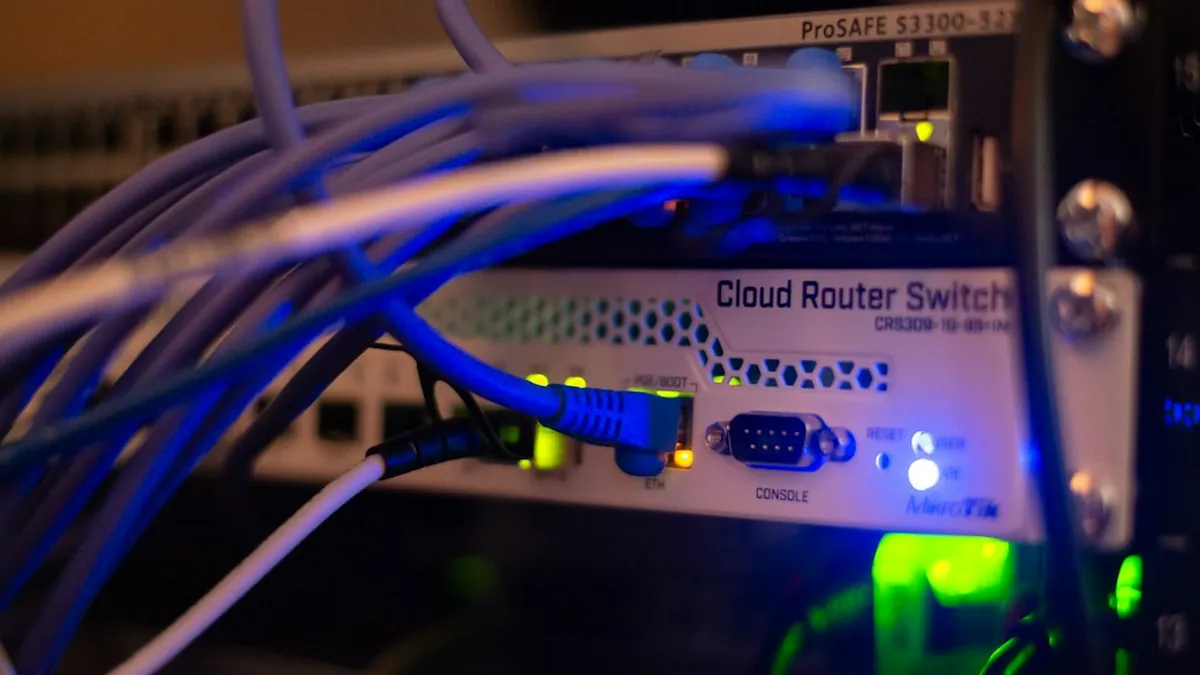
Traditional firewalls operate on static rulebooks that state-sponsored actors study, map, and deliberately engineer exploits around over time. Adaptive firewall systems with autonomous rule generation analyze live attack telemetry and rewrite their own access control policies in real time — closing gaps before adversaries can exploit them at scale. This dynamic architecture makes the attack surface a moving target rather than a predictable perimeter.
- Key Reality: Adaptive firewalls autonomously generate an average of 1,200 new rules per day during active threat campaigns, compared to 0 with static systems.
Autonomous cyber defense systems are no longer experimental — they are the operational baseline required to compete against nation-state adversaries who treat cyberattacks as instruments of geopolitical strategy. The organizations that deploy these technologies proactively will define the new standard for digital resilience in 2026 and beyond. Drop your thoughts in the comments — which of these systems do you think is the most critical line of defense right now?