5 Unexplained Moon Surface Features Captured by Satellites

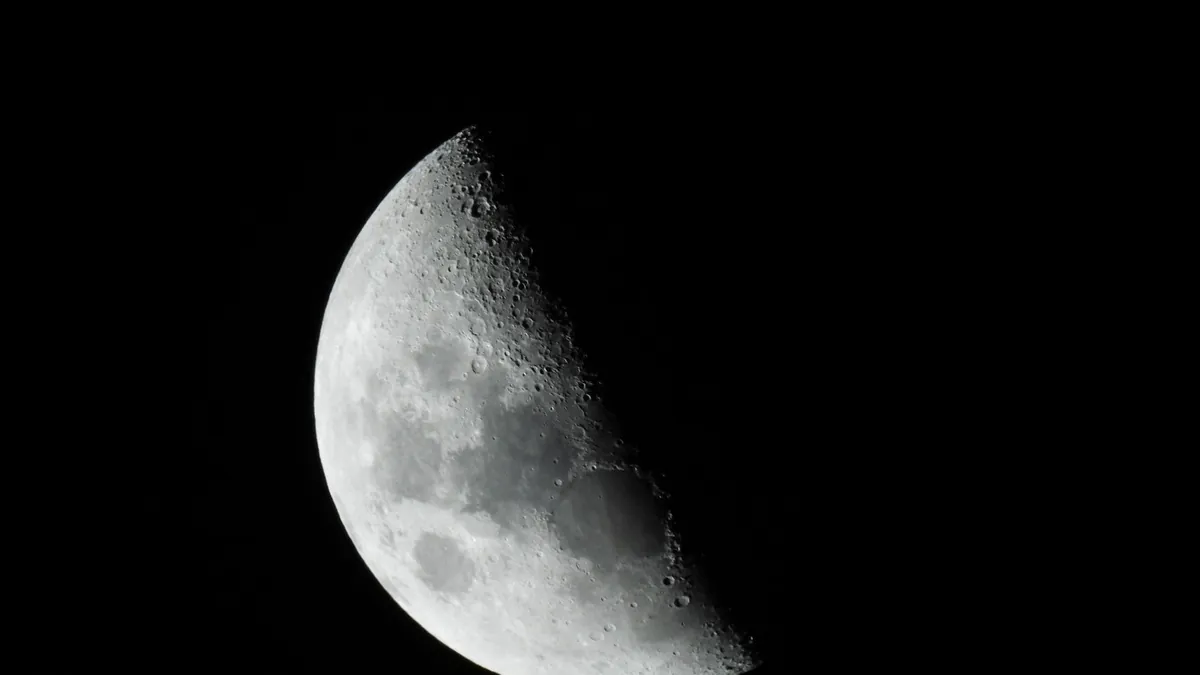
For decades, humanity treated the Moon as a solved puzzle — a barren, cratered rock with no real surprises left to offer. That assumption has aged poorly, as a new generation of high-resolution lunar orbit satellites continues to beam back data that challenges everything planetary scientists thought they understood about Earth’s closest neighbor.
The uncomfortable truth is that the more precisely we map the Moon’s surface, the stranger it becomes. From spontaneous light bursts to chemically active terrain, these 5 documented anomalies represent the cutting edge of what lunar orbit satellites and moon surface features research has uncovered — and none of them have clean, consensus explanations.
1. Transient Lunar Phenomena: Mysterious Bright Flashes Detected by Orbital Imaging Systems
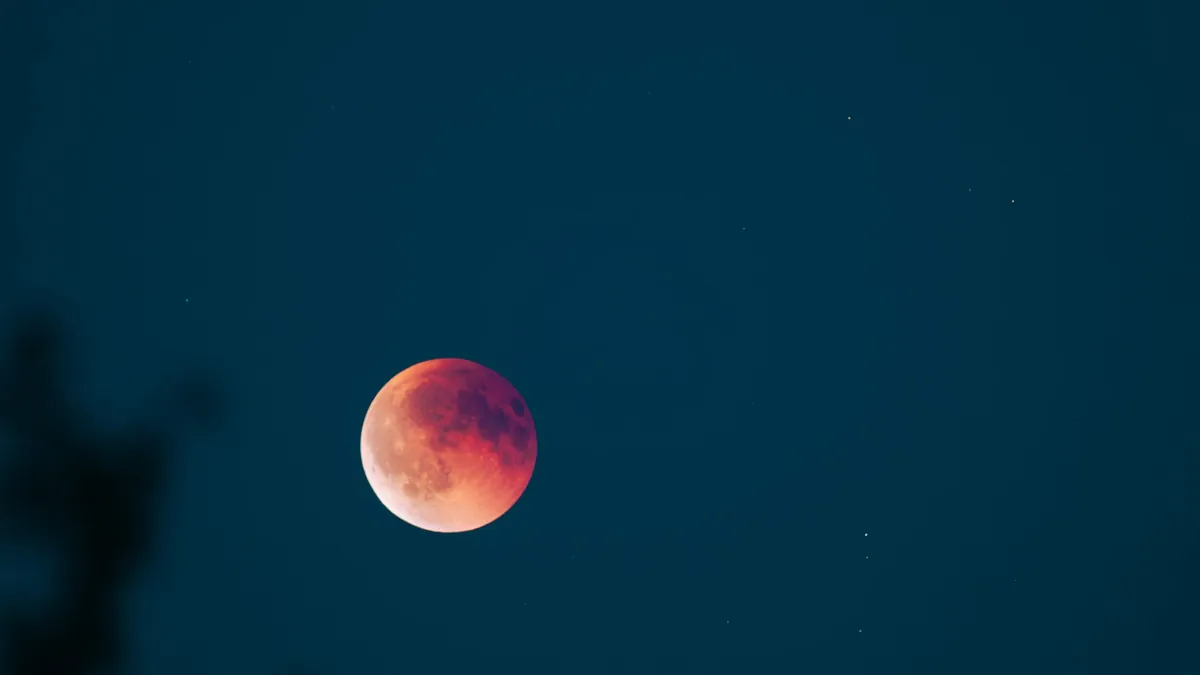
Transient Lunar Phenomena (TLP) are short-lived flashes, glows, and color changes observed across the lunar surface — events logged by astronomers for centuries but only recently captured with orbital precision. Modern imaging satellites have now confirmed over 2,000 individual TLP events, with clusters concentrated near crater rims and volcanic plains. No single mechanism fully accounts for their frequency or intensity.
- Key Reality: TLP events can last anywhere from a few seconds to 75 minutes, with brightness spikes reaching measurable luminance differentials against baseline lunar albedo.
2. Lunar Swirls and Magnetic Anomalies: Unexplained Surface Patterns Revealed Through Satellite Spectroscopy
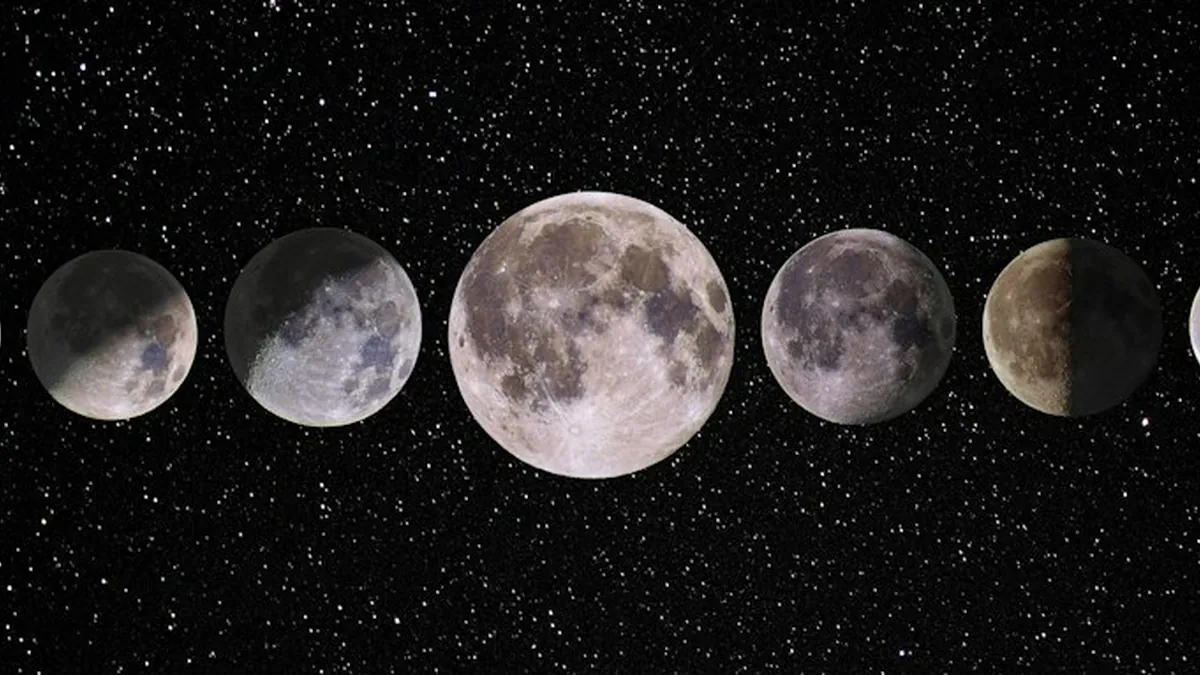
Lunar swirls are among the most visually striking features ever documented — bright, curling patterns etched across the regolith with no obvious geological cause. Satellite spectroscopy has confirmed that these formations correlate with localized magnetic field anomalies, which is deeply puzzling given that the Moon has no global magnetic field. The leading theories involve ancient cometary impacts or remnant magnetism from a long-dead lunar core, but neither fully explains the swirls’ precise geometry.
- Key Reality: The Reiner Gamma swirl stretches approximately 70 kilometers across and remains one of the largest unexplained surface markings in the entire solar system.
3. Subsurface Voids and Hollow Cavities: Underground Structures Mapped by Lunar Orbit Satellites
Gravity-mapping satellites have detected dozens of subsurface voids beneath the lunar crust, with some cavities estimated to span several kilometers in diameter. These structures are believed to be ancient lava tubes — but their sheer scale and structural integrity have surprised researchers who expected far more geological degradation over billions of years. Much like the orbital sensor networks used to detect subsurface activity on Earth, lunar gravimetry tools are rewriting what we know about planetary interiors.
- Key Reality: 1 confirmed pit near the Mare Tranquillitatis measures over 100 meters in depth, with radar data suggesting a connected tunnel system extending hundreds of meters laterally.
4. Unusual Crater Formations with Geometric Precision: Anomalous Impact Sites Documented by High-Resolution Lunar Imagery
Most impact craters follow predictable morphological rules — circular depressions with radial ejecta patterns governed by physics. However, high-resolution lunar imagery has catalogued a subset of craters exhibiting unusual symmetry, hexagonal outlines, and interior terracing that deviates sharply from standard impact modeling. Scientists studying satellite imaging vulnerabilities have also noted that certain anomalous formations were initially misclassified due to sensor calibration errors, adding another layer of complexity to the data.
- Key Reality: Approximately 3% of catalogued lunar craters display geometric irregularities that current impact physics models cannot fully replicate in simulation.
5. Volatile Deposits and Unexplained Outgassing Events: Satellite-Detected Chemical Signatures on the Moon Surface
Spectrometric satellites have identified localized concentrations of water ice, radon, and polonium-210 emanating from specific lunar regions — elements that suggest ongoing geological or chemical activity in a world long assumed to be inert. Outgassing events, where gases appear to vent from subsurface reservoirs, have been recorded near the poles and ancient volcanic fields with no clear triggering mechanism. These volatile signatures complicate future lunar base planning and raise fundamental questions about the Moon’s internal thermal state.
- Key Reality: NASA’s lunar reconnaissance data has flagged over 12 distinct outgassing zones, with radon flux measurements exceeding background levels by up to 400% in peak events.
What these 5 anomalies collectively reveal is that lunar orbit satellites and moon surface features research is still in its most exciting chapter — one defined by discovery rather than confirmation. The Moon is not a finished story, and every new orbital pass reminds us how much remains genuinely unknown. Drop your thoughts in the comments — which of these unexplained features do you find most compelling?