10 Secret Technologies on Boeing X-37B Space Plane

The Boeing X-37B has quietly logged over 900 days in orbit across multiple classified missions, yet the public knows remarkably little about what actually powers it. For a vehicle that lands autonomously on a runway like a miniature space shuttle, the gap between official statements and operational reality is staggering. It is arguably the most consequential unmanned spacecraft flying today, and almost nobody talks about it in precise technical terms.
Most aerospace coverage focuses on commercial rockets and Mars ambitions, leaving the X-37B’s genuinely revolutionary Boeing X-37B space plane technologies buried under layers of classification. The assumptions people hold — that it is simply a surveillance drone in orbit — dramatically undersell what this vehicle represents for the future of military space operations. These 10 technologies reveal exactly why that gap matters.
1. Advanced Thermal Protection Systems for Hypersonic Reentry and Sustained Atmospheric Flight
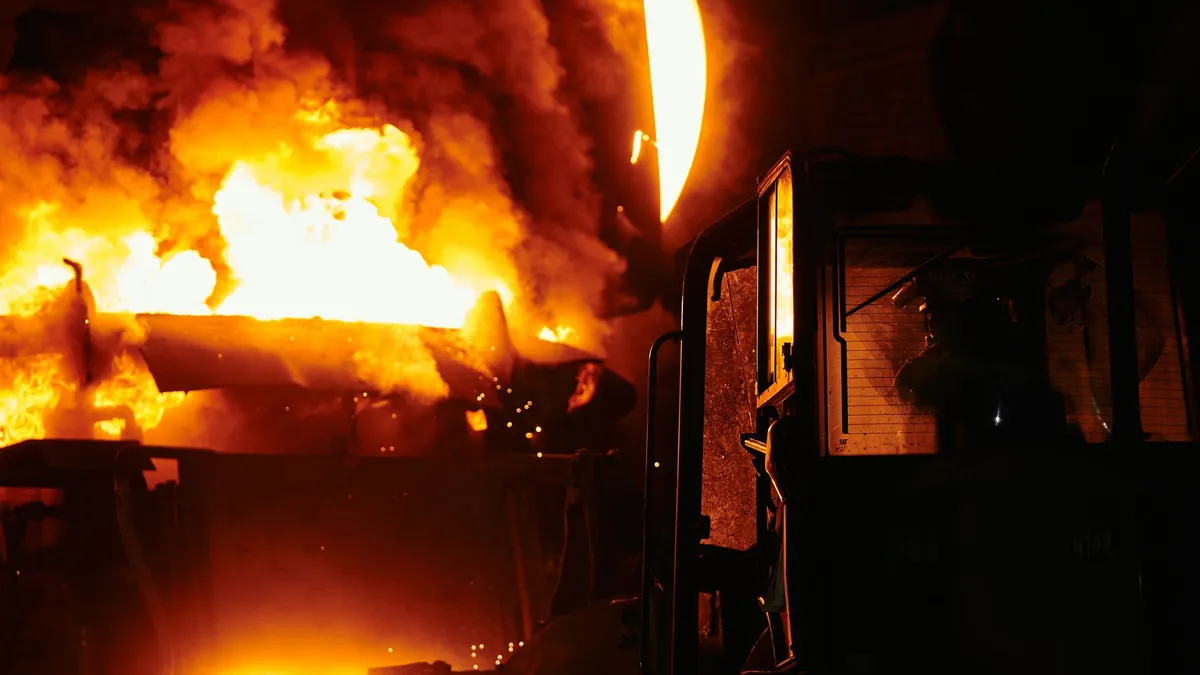
Surviving hypersonic reentry demands materials capable of enduring temperatures exceeding 1,600 degrees Celsius without structural compromise. The X-37B employs next-generation ceramic tile arrays and ablative coatings far beyond what legacy shuttle systems used. This thermal architecture is foundational to every extended mission the vehicle completes.
- Key Reality: Reentry surface temperatures can spike above 1,650°C, requiring tile systems with sub-millimeter precision tolerances.
2. Autonomous Navigation and Guidance Systems Operating Without Ground Control Intervention
The X-37B can execute orbital maneuvers, deorbit burns, and precision runway landings entirely without real-time human input. Its onboard AI-driven guidance stack processes sensor data at speeds no human operator could match during critical reentry windows. This autonomy is a deliberate design feature, not a fallback capability.
- Key Reality: Autonomous landing accuracy is reportedly within 15 meters of centerline without any pilot correction.
3. Experimental Propulsion Technologies for Extended Orbital Maneuvering Capabilities
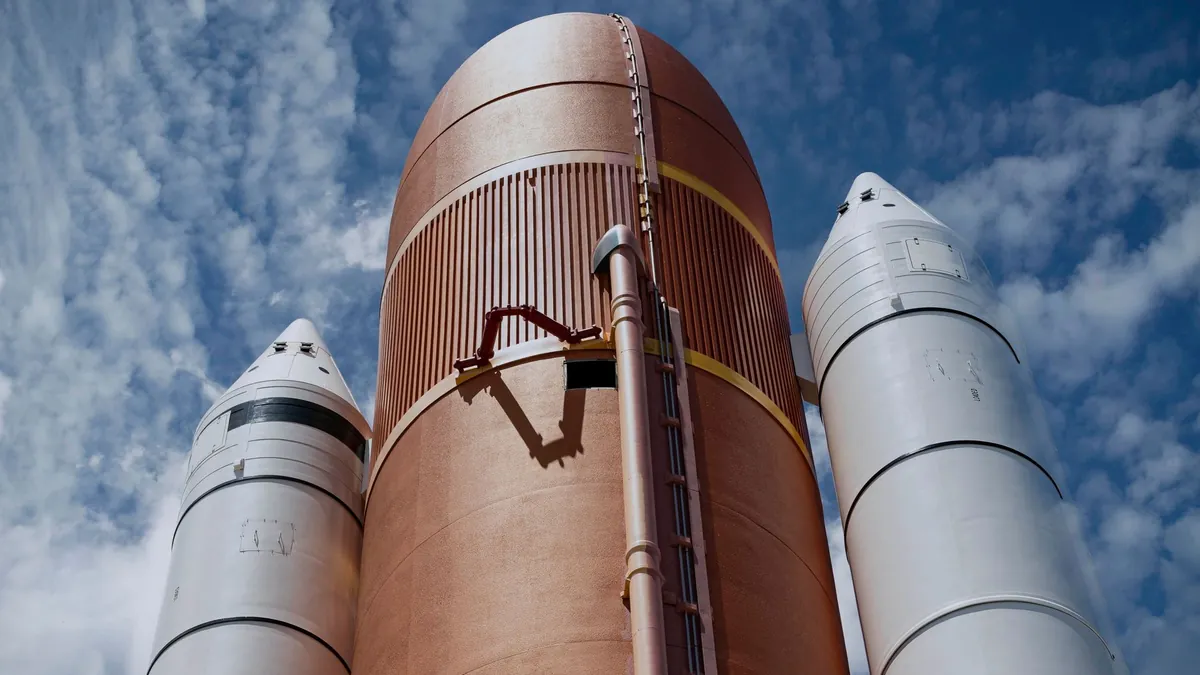
Classified propulsion experiments aboard the X-37B are widely believed to include advanced Hall-effect ion thrusters and solar-electric propulsion testing. These systems allow the vehicle to shift orbital planes and altitudes with extraordinary fuel efficiency over multi-year missions. The advantages of advanced technology in propulsion directly translate to strategic orbital positioning advantages.
- Key Reality: Ion propulsion delivers specific impulse values exceeding 3,000 seconds, versus roughly 450 seconds for chemical rockets.
4. Classified Payload Bay Systems for Deploying and Retrieving Orbital Satellites
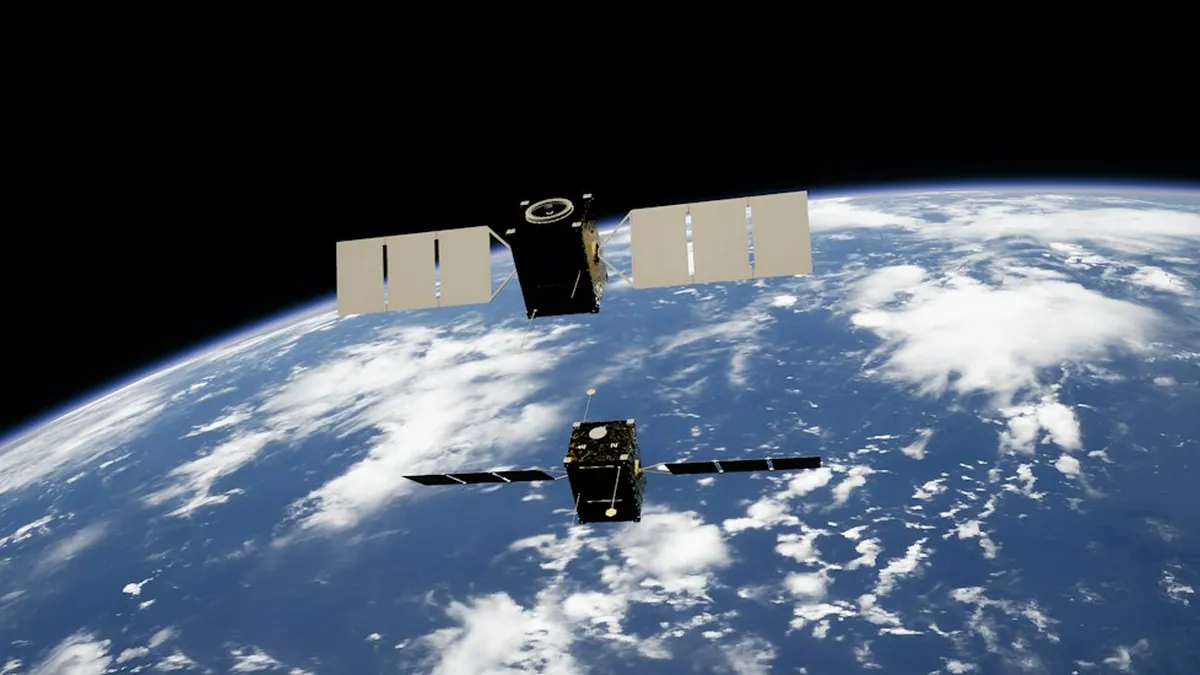
The X-37B’s payload bay measures approximately 2.1 meters by 1.2 meters — compact but operationally significant for small satellite deployment and retrieval missions. Classified mechanisms inside that bay are suspected to include robotic arm interfaces and modular payload adapters. No other operational vehicle currently combines this retrieval capability with autonomous reentry.
- Key Reality: The payload bay volume is roughly equivalent to a standard pickup truck bed, optimized for dense mission packages.
5. Stealth-Enhanced Airframe Design Minimizing Radar Cross-Section Detection

The X-37B’s angular fuselage geometry and radar-absorbent material coatings significantly reduce its detectable radar signature in orbit. Amateur astronomers have tracked it visually, but its electronic signature in contested environments is a different matter entirely. This low-observable design philosophy mirrors the B-2 Spirit’s foundational stealth principles applied to orbital mechanics.
- Key Reality: Radar-absorbent coatings on the X-37B are estimated to reduce radar cross-section by over 90% compared to uncoated equivalents.
6. Advanced Materials and Composite Structures Withstanding Extreme Temperature Variations
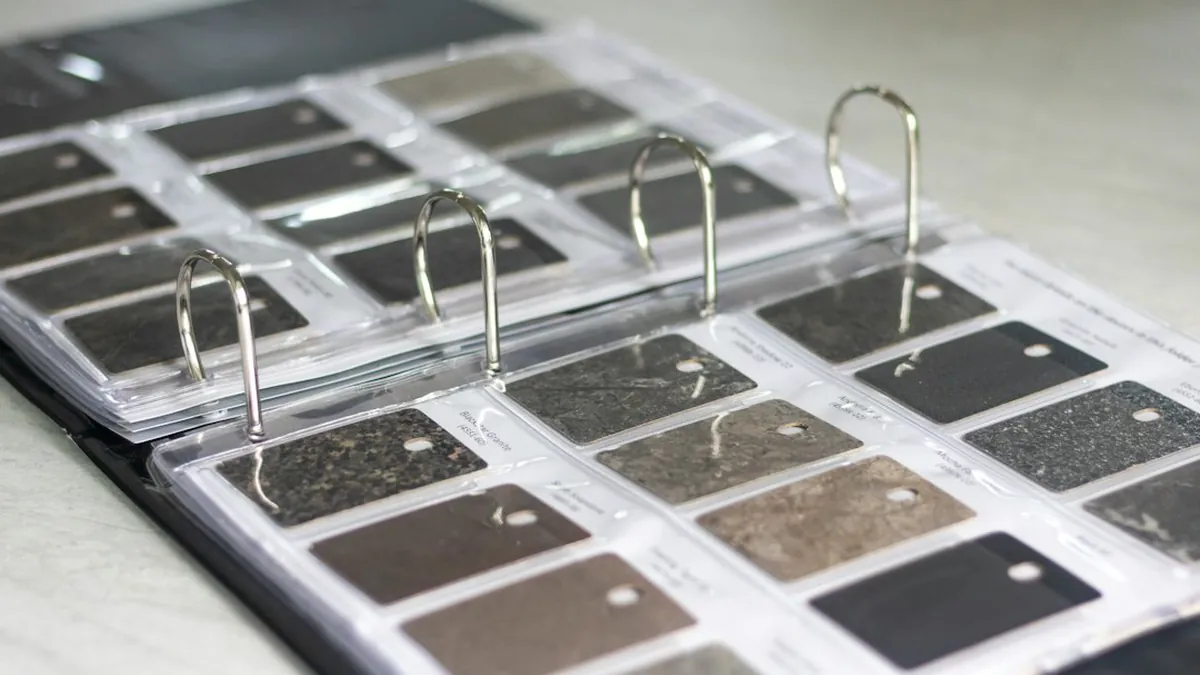
In low Earth orbit, the X-37B cycles between -157°C in shadow and +121°C in direct sunlight approximately every 90 minutes. Its composite airframe integrates carbon-silicon carbide matrices and metal-matrix composites engineered specifically for this brutal thermal cycling. These material innovations are already migrating into commercial aerospace and defense applications.
- Key Reality: The vehicle endures roughly 16 thermal cycles per day, totaling thousands of cycles across a single multi-year mission.
7. Precision Landing and Recovery Systems for Automated Runway Operations

Unlike capsule-based spacecraft that splash down in oceans, the X-37B executes fully automated runway landings at Kennedy Space Center’s Shuttle Landing Facility. Its microwave landing system integration and differential GPS architecture deliver repeatably precise touchdowns every mission. This reusability infrastructure is central to its rapid-turnaround operational model.
- Key Reality: Automated runway landings reduce post-mission recovery costs by an estimated 60% compared to ocean capsule retrieval operations.
8. Long-Duration Power Generation Systems Enabling Multi-Year Space Missions

The X-37B relies on deployable gallium arsenide solar arrays paired with lithium-ion battery banks to sustain operations through orbital night periods lasting up to 36 minutes. Gallium arsenide cells convert sunlight at roughly 29% efficiency, compared to roughly 15% for conventional silicon panels. This power architecture directly enables the classified payload experiments that define each mission’s scientific and intelligence value.
- Key Reality: Gallium arsenide solar efficiency advantages translate to approximately 40% more onboard power per unit of panel area.
9. Sophisticated Sensor Arrays for Intelligence, Surveillance, and Reconnaissance Operations

Classified sensor payloads aboard the X-37B are broadly believed to include hyperspectral imaging systems, signals intelligence collection hardware, and space domain awareness sensors. These arrays operate continuously across multi-year missions, accumulating intelligence volumes no short-duration satellite pass could match. Much like how AI use cases in data analysis have transformed information processing on Earth, onboard AI likely processes raw sensor feeds autonomously in orbit.
- Key Reality: Hyperspectral sensors can distinguish material compositions on Earth’s surface at resolutions below 30 centimeters per pixel.
10. Rapid-Turnaround Maintenance Technologies Supporting Quick Redeployment Cycles

After landing, the X-37B undergoes a classified but reportedly compressed refurbishment cycle before its next launch, a stark contrast to the years-long shuttle turnaround timelines. Modular payload integration systems and pre-qualified thermal tile replacement protocols are central to achieving this operational tempo. The vehicle’s reusability model is designed around military responsiveness, not just cost efficiency.
- Key Reality: Turnaround timelines are classified, but program goals reportedly target redeployment windows under 12 months between missions.
The Boeing X-37B space plane technologies collectively represent a generational leap in what unmanned military spacecraft can accomplish across sustained orbital campaigns. Every classified mission adds operational data that will shape the next decade of space domain strategy for the United States Space Force. If any of these technologies surprised you or sparked questions about where military aerospace is heading next, drop your thoughts in the comments below.