Xbox Series Hardware Records Steepest Sales Decline in 2025

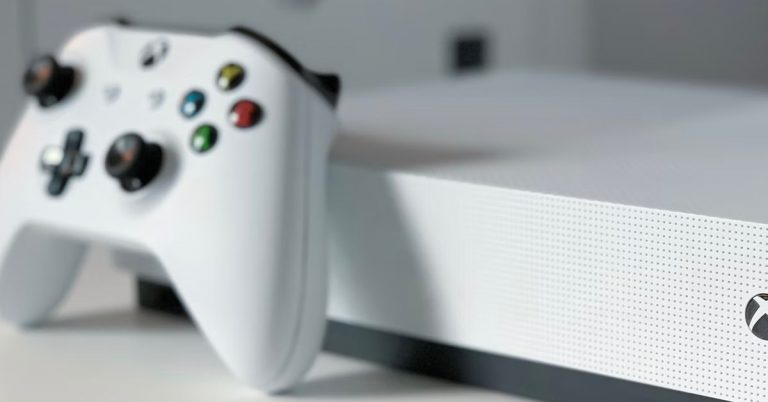
Microsoft’s Xbox Series X and S consoles registered approximately 1.7 million units sold worldwide throughout 2025. This figure placed the platform behind the original Nintendo Switch from 2017, which moved 3.4 million units in the same period according to VGChartz estimates. Xbox hardware sales fell dramatically in key months compared to prior years.
November data from Circana highlighted the challenges across the industry. United States console spending dropped 27 percent year-over-year, marking the lowest November unit sales in three decades at 1.6 million systems. Xbox Series experienced a 70 percent decline in units sold versus the previous November.
Microsoft implemented two price increases during 2025. The Xbox Series X reached $649.99 by year-end, representing a $150 rise from its 2020 launch price. These adjustments contributed to reduced consumer demand amid broader market pressures.
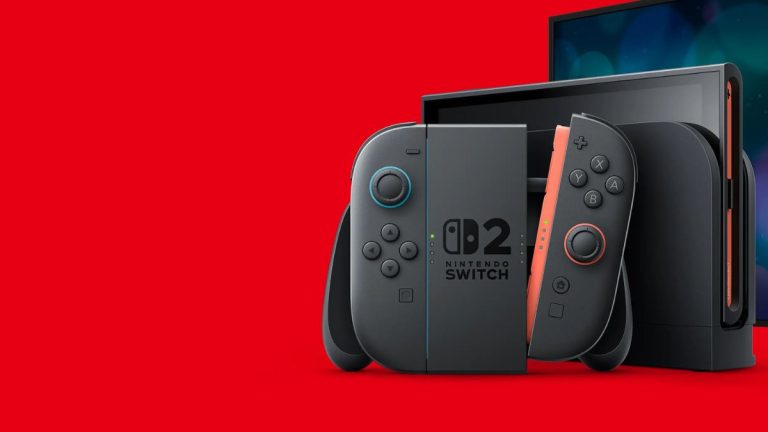
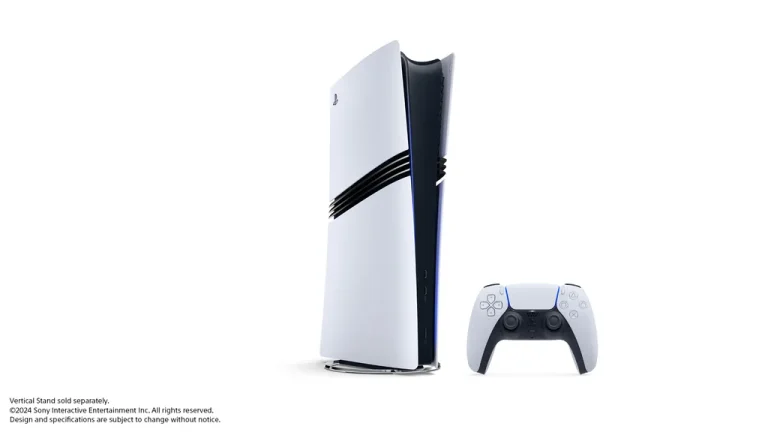
PlayStation 5 achieved 9.2 million units sold in 2025 per Sony financial reports. Combined Nintendo Switch and Switch 2 sales exceeded expectations earlier in the year but moderated in holiday periods. Xbox trailed significantly in hardware shipments.
The platform maintained focus on subscription services and multi-device access. Game Pass expanded title availability across console, PC, and cloud platforms. Microsoft positioned Xbox as an ecosystem rather than hardware-centric offering.
Industry analysts noted shifting priorities toward software and services. Microsoft emphasized cross-platform play and cloud streaming capabilities. Hardware unit reporting ceased in 2015 as strategic emphasis evolved.
Competitors adjusted pricing structures similarly. Sony and Nintendo implemented increases affecting entry-level models. Consumer response varied by region and promotional activity.
Xbox studios continued releasing titles on multiple platforms. This approach broadened audience reach while reducing exclusive hardware dependency. Performance metrics shifted toward engagement and subscription growth.
The 2025 results underscored diverging strategies among major manufacturers. Microsoft pursued hybrid console-PC experiences for future iterations. Development resources allocated toward integrated Windows-based systems.
Market conditions reflected higher component costs and economic factors. Tariff impacts elevated retail prices across brands. Demand patterns favored established libraries and bundled offerings.
Xbox maintained presence in digital storefronts and service revenue. Cloud gaming infrastructure expanded to support broader accessibility. Hardware sales represented one segment of overall gaming operations.
These developments positioned Microsoft for ecosystem expansion beyond traditional console metrics. Focus remained on player access across devices rather than unit volume competition. Industry observers tracked service adoption as key indicator moving forward.