SpaceX Aborts Super Heavy Booster Catch as Starship Survives Aggressive Reentry

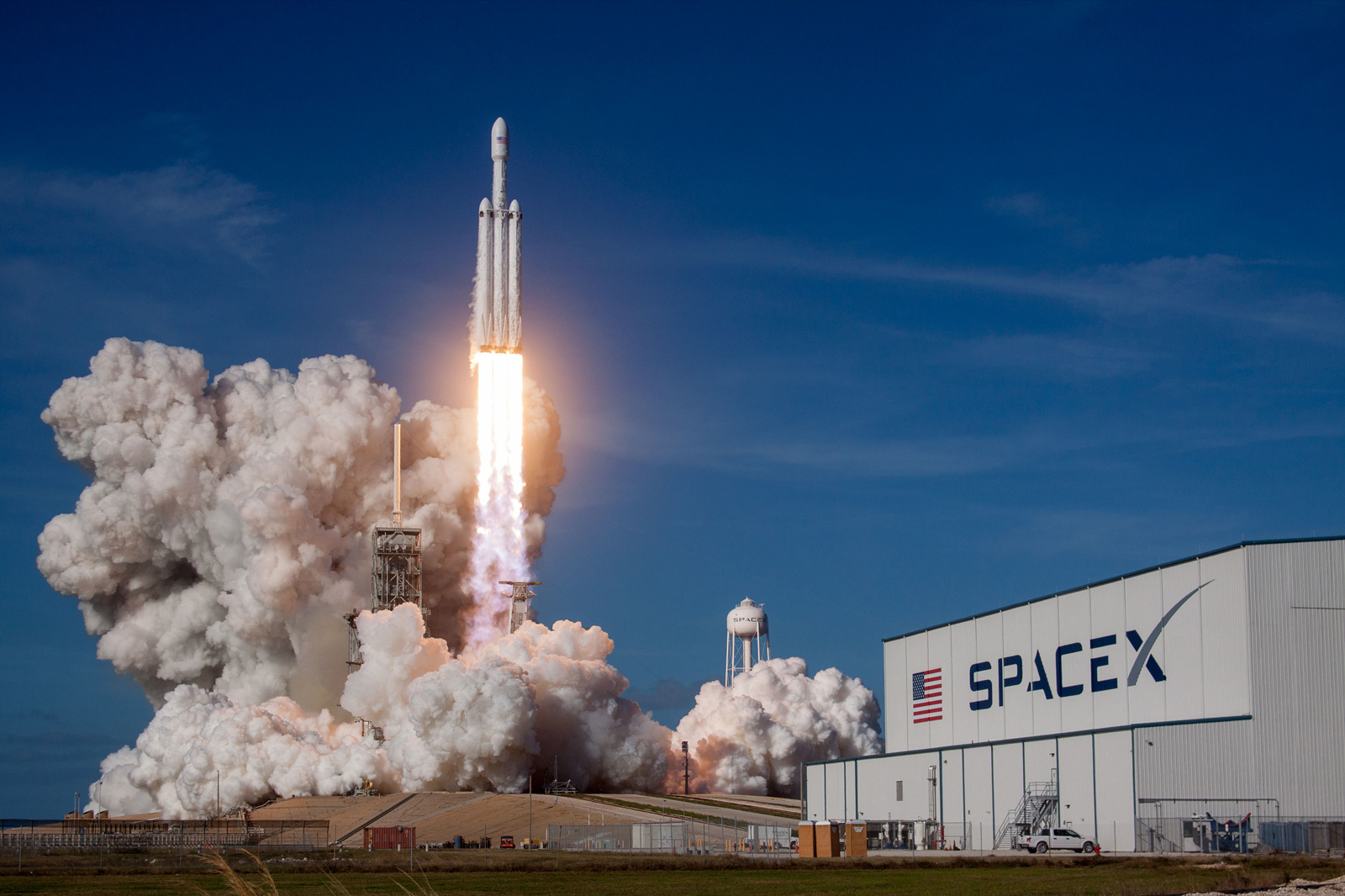
SpaceX successfully completed its sixth Starship flight test on Tuesday, achieving a daylight splashdown of the upper stage in the Indian Ocean despite calling off the highly anticipated capture of the Super Heavy booster. Launching from Starbase in South Texas, the massive rocket cleared the tower under the power of 33 Raptor engines, but flight directors waved off the attempt to catch the booster with the “Mechazilla” launch tower arms due to unmet safety criteria. Instead, the booster executed a pre-planned divert maneuver, performing a controlled landing burn before splashing down softly in the Gulf of Mexico.
The decision to abort the catch was triggered by automated health checks on the launch tower’s critical hardware, which identified technical issues that exceeded safety margins for a return-to-site landing. SpaceX communications indicated that while the booster itself appeared healthy, the “tower was not clear” to receive the vehicle, prompting the system to default to the safer ocean landing profile. This cautious approach highlights the complexity of the catch maneuver, which requires thousands of telemetry parameters to align perfectly between the descending rocket and the ground infrastructure.
While the booster recovery was skipped, the Starship upper stage achieved a major technical milestone by successfully reigniting a Raptor engine in the vacuum of space for the first time. This capability is a critical requirement for future orbital missions, as it demonstrates the vehicle’s ability to perform controlled deorbit burns necessary for returning from stable orbit or navigating to other celestial bodies. Following this test, the ship coasted halfway around the world to test its thermal protection system under more extreme conditions than previous flights.
Engineers intentionally removed over 2,000 heat shield tiles from the ship’s hull to test the limits of its stainless steel structure and identify areas where protection might be unnecessary for future catch hardware. The spacecraft flew a steeper, more aggressive angle of attack during reentry, subjecting its flaps and skin to intense peak heating that visibly damaged control surfaces during the live stream. Despite the structural stress and the purposeful gaps in its thermal armor, the ship survived the hypersonic descent and executed a vertical landing flip before splashing down intact in the Indian Ocean.