Space Debris Collisions: Trapping Humanity on Earth


Humanity has spent decades romanticizing the cosmos, treating low Earth orbit as an infinite frontier ready for colonization, commerce, and communication. Thousands of satellites now circle the planet, powering GPS navigation, global internet access, and military surveillance in ways most people never stop to consider. The sky above us has quietly become the most critical infrastructure layer civilization has ever built.
What most people fail to grasp, however, is that this infrastructure is now under siege — not from a foreign adversary, but from the wreckage of our own ambition. The space debris collision risk has reached a threshold where a single catastrophic chain reaction could render entire orbital corridors permanently unusable. That scenario has a name, and scientists are no longer treating it as science fiction.
Kessler Syndrome Is the Orbital Apocalypse No One Is Talking About
Kessler Syndrome describes a self-sustaining cascade where colliding debris generates more debris, which then triggers further collisions in an unstoppable feedback loop. NASA scientist Donald Kessler first theorized this in the late 20th century, but the density of objects in orbit today makes the threat exponentially more credible. There are currently over 27,000 tracked debris objects and an estimated 1 million fragments too small to monitor but large enough to destroy a satellite on impact.
The math is genuinely alarming: even a 1-centimeter fragment traveling at orbital velocity carries the kinetic energy of a hand grenade. Emerging tools like the satellite collision prediction system are helping operators anticipate close approaches within 72 hours, but reaction windows remain dangerously thin. If a cascade begins in a heavily trafficked orbital shell, no technology currently exists to stop it.
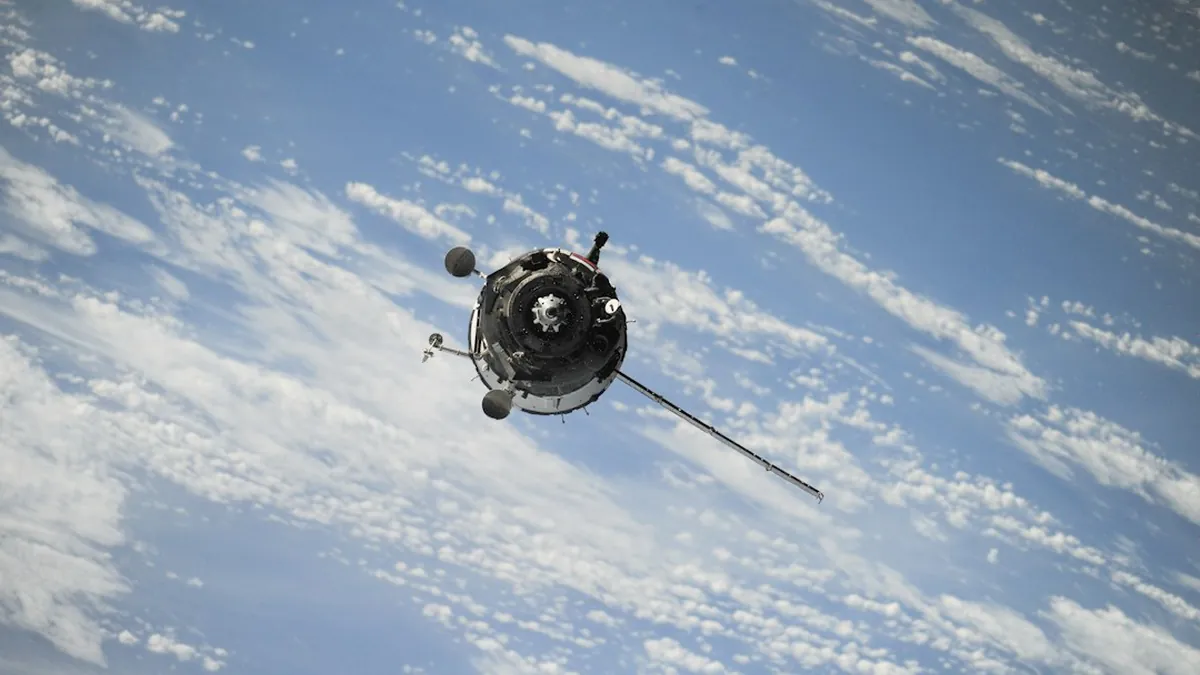
Every Sector From Finance to Defense Runs on Orbits Now at Risk
The downstream consequences of escalating space debris collision risk extend far beyond astronomy — they reach directly into banking systems, emergency response networks, and agricultural monitoring. Losing key satellite constellations would effectively blind global supply chains and disrupt the timing signals that synchronize financial transactions worldwide. Even ambitious projects like orbital data center infrastructure are already confronting debris as a foundational engineering barrier.
Mitigation strategies exist — active debris removal missions, deorbit requirements for new satellites, and international coordination frameworks — but implementation remains fractured across competing national interests. Some operators, like SpaceX, have taken unilateral steps by repositioning assets to safer altitudes, yet voluntary compliance cannot substitute for binding global policy. Without enforceable standards, every new launch adds pressure to an orbital environment already stretched past comfortable limits.
The economic cost of inaction dwarfs any investment required to address the problem now, yet the political will to act collectively remains elusive across major spacefaring nations. Space has always been a domain where technological ambition outpaces governance, and debris management is the starkest proof of that pattern. Share your thoughts in the comments — do you think international space agencies are moving fast enough to prevent an orbital catastrophe?