
New Study Says Climate Change Could Be the Unexpected Satellite Killer

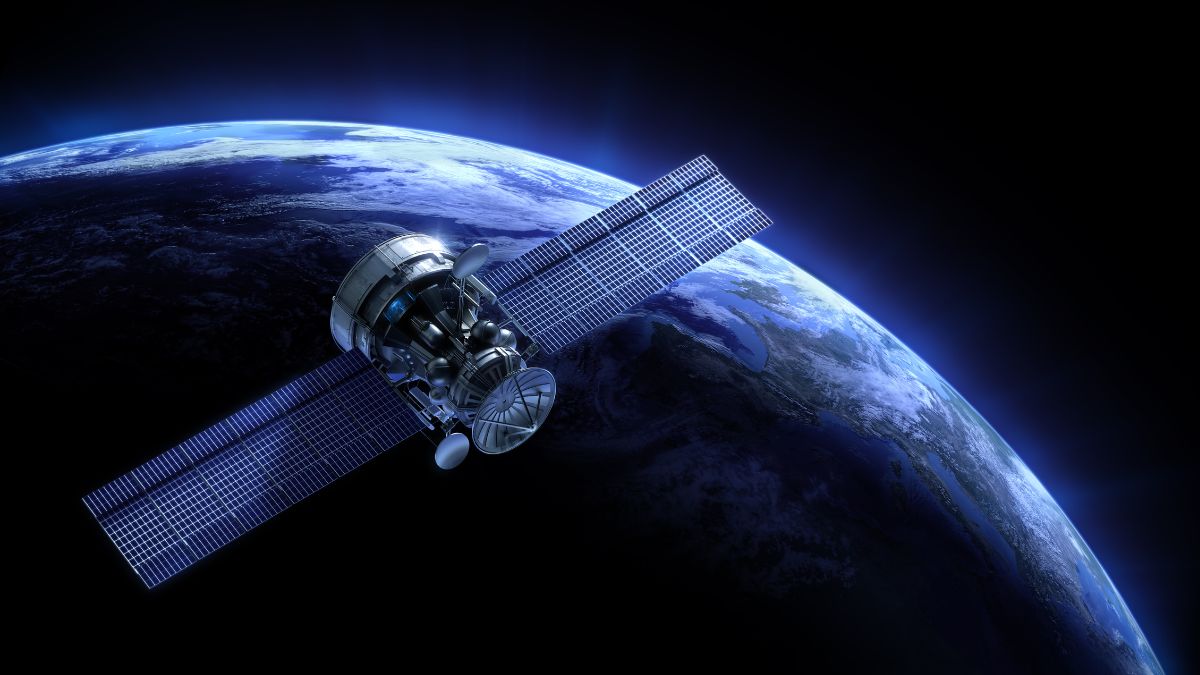
I was reading up on some wild stuff scientists are worried about, and it’s not just about melting ice or dying crops anymore. Turns out, climate change could mess with the space around Earth too. A team from MIT, led by a grad student named William Parker, has been digging into this, and their findings are kind of freaky. They say the upper atmosphere—the part way up there where satellites hang out—might shrink because of all the greenhouse gases we’re pumping out.
So, what’s the big deal? Well, that upper layer, called the thermosphere, is where tons of satellites, like the International Space Station, do their thing. Right now, there are over 10,000 of them floating around in low Earth orbit. The atmosphere up there usually acts like a cleanup crew, dragging old space junk down so it burns up lower down. But as the gases we’re dumping heat up the ground and cool off the top layers, that cleanup process slows way down. Debris sticks around longer, and that’s bad news.
Parker told Gizmodo that the more junk lingers, the higher the chance satellites smash into each other. Imagine a crowded parking lot with no tow trucks—eventually, it’s just chaos. The MIT crew ran some computer models, playing out different futures based on emission levels from the Intergovernmental Panel on Climate Change. In the worst-case setup, they think we could lose 50 to 66% of the satellite space we rely on by 2100. That’s a huge drop.
Here’s the simple version of why this happens. Greenhouse gases trap heat down here, which keeps the lower air toasty. Less heat makes it up high, and what does get there gets blasted out into space. Parker compared it to a balloon shrinking in a freezer—same deal with the thermosphere. Less drag, more junk, more crashes. And with companies launching satellites like crazy—think SpaceX’s Starlink fleet—it’s getting packed up there fast.
The study, which popped up in Nature Sustainability, says we’re already seeing ‘megaconstellations’ forming. That’s just a fancy way of saying giant groups of satellites. If we don’t cut emissions or rethink how many we send up, we might hit a breaking point. Parker called it a ‘runaway instability,’ where collisions make so much debris that whole chunks of orbit become no-go zones. Sounds like a sci-fi mess, right?
We’ve added way more satellites in the last five years than in the 60 years before that, according to Parker. He’s pushing for us to act now—maybe yank debris out with special missions or just launch less stuff. The U.S. even made a rule in 2022 that new satellites have to ditch orbit within five years of finishing their job. But if we keep ignoring the emissions part, even that might not save us. Funny how fixing things down here could keep space from turning into a junkyard too.