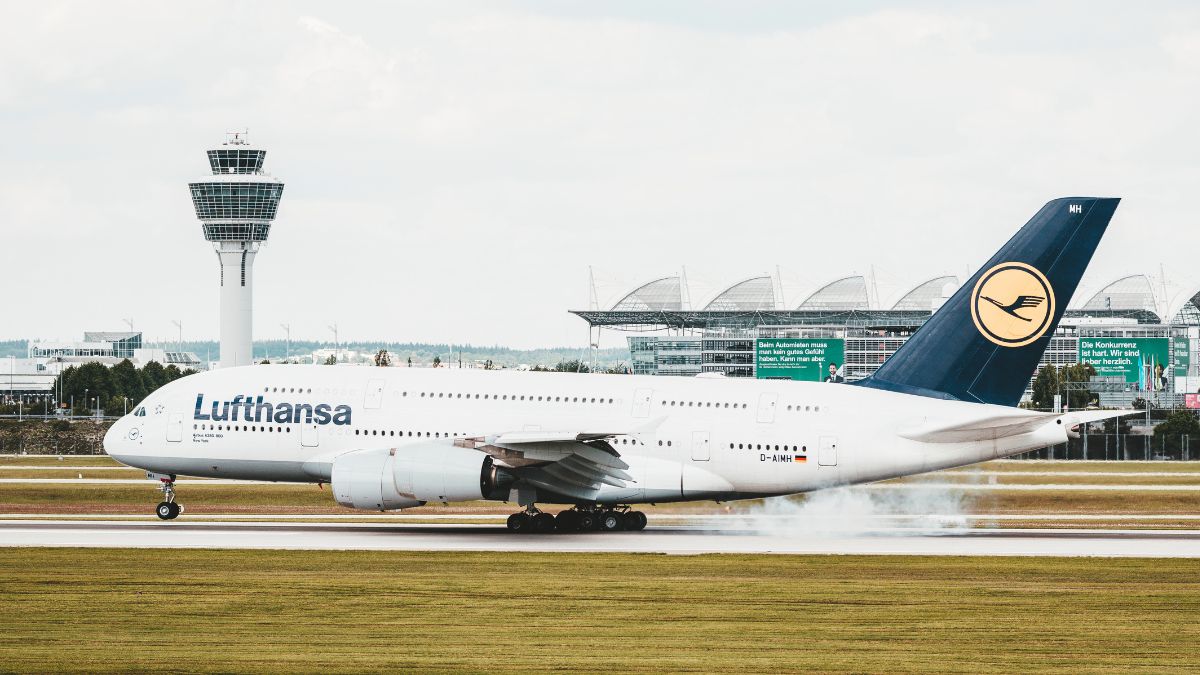
Lufthansa Implements Stricter Rules For Portable Batteries On Flights

Travelers flying with Europe’s largest airline group must now adhere to tighter regulations regarding the transport and use of power banks. Effective as of mid-January 2026, the Lufthansa Group has introduced a comprehensive ban on the usage of portable batteries during flights. This significant policy shift aims to mitigate fire risks associated with lithium-ion batteries inside the aircraft cabin. Passengers are no longer permitted to use these devices to charge their smartphones, tablets, or laptops while in the air. The restriction also explicitly prohibits recharging the power banks themselves using the aircraft’s in-seat power outlets.
The new policy dictates strictly how these items must be stored to ensure maximum safety for all souls on board. Travelers can carry a maximum of two power banks per person, and they must be kept in carry-on luggage only. It is vital to note that placing these batteries in checked baggage has long been forbidden, but the new rules also ban them from overhead compartments. Passengers must now keep their portable chargers either in their trouser or jacket pockets or in a bag stowed under the seat in front of them. This requirement ensures that flight attendants or passengers can quickly notice and access the device if it begins to overheat or smoke.
Specific technical limitations regarding the capacity of the batteries remain in place alongside the new usage bans. Standard power banks with a capacity of up to 100 watt-hours are allowed without special permission, provided they adhere to the quantity limit. Devices with a capacity between 100 and 160 watt-hours require prior approval from the airline before the flight. Any battery exceeding 160 watt-hours is completely prohibited from air transport on these carriers. These measures align with recommendations from major aviation safety bodies such as the European Union Aviation Safety Agency and the Federal Aviation Administration.
This sweeping regulation applies to all carriers operating under the Lufthansa Group umbrella. The list of affected airlines includes Lufthansa, Swiss International Air Lines, Austrian Airlines, Brussels Airlines, and Eurowings. Regional and leisure carriers such as Air Dolomiti, Edelweiss, and Discover Airlines are also enforcing the same strict protocols. ITA Airways, which is part of the group, has adopted these measures to maintain a unified safety standard across the network. Consistency across these carriers helps prevent confusion for passengers transferring between different airlines within the group.
The primary driver behind these stricter measures is the inherent volatility of lithium-ion technology used in modern rechargeable batteries. Malfunctioning or damaged cells can experience a phenomenon known as thermal runaway, where the battery generates intense heat and can eventually ignite. If such an incident were to occur inside a packed overhead bin, the fire could spread undetected for critical minutes. By forcing passengers to keep these items within sight or easy reach, the airline aims to drastically reduce the response time to any potential electrical fire.
Aviation authorities have noted a rise in incidents involving overheating electronics in recent years. While power banks are essential tools for modern travelers who rely on digital devices, safety remains the paramount concern for flight crews and regulators. Most modern aircraft are equipped with USB ports or power outlets that provide a safer alternative for keeping devices charged during long journeys. Passengers should plan accordingly by ensuring their devices are fully charged before boarding or by relying on the aircraft’s built-in systems.
What do you think about these new restrictions on using power banks during flights? Tell us your opinion in the comments.