
Innovative Project Transforms Spotify Streaming Into An Analog Cassette Experience

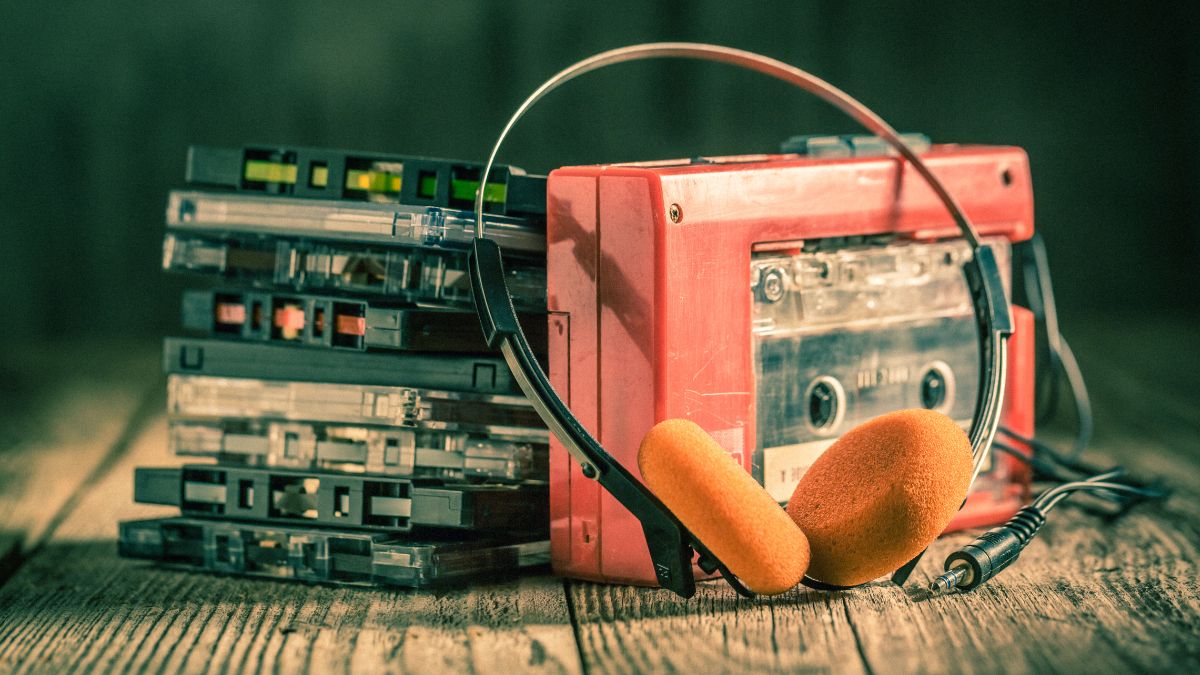
In an era dominated by pristine digital audio and instant access to millions of songs, a growing number of music enthusiasts are looking backward for inspiration. The resurgence of vinyl records and cassette tapes suggests a deep collective longing for physical media and the imperfect warmth of analog sound. While streaming services offer convenience, they often lack the tactile ritual that defined music consumption for previous generations. This fascination with the past has led creators to experiment with hybrid devices that bridge the gap between modern technology and vintage hardware.
A YouTuber known as Julius Makes has recently captured the attention of the tech community by constructing a fully functional Spotify cassette player. This unique gadget is not merely a cosmetic case for a smartphone or a simple controller for a digital playlist. According to a report by Miroslav Wranka, the device operates more like an elaborate audio effect unit that fundamentally changes how the music is heard. It effectively creates a bridge where the digital signal must cross over into the physical realm of magnetic tape before it reaches the listener’s ears.
The mechanism inside this custom build is both complex and fascinatingly retro. The system takes the digital audio stream from ‘Spotify’ and passes it through a digital-to-analog converter. This signal is then recorded in real time onto a loop of thin magnetic tape moving across a recording head. Almost immediately after being magnetized onto the ribbon, the audio is picked up by a playback head. This process introduces the characteristic hiss, saturation, and slight speed variations that audiophiles often describe as warmth.
Users can interact with the device using physical buttons and potentiometers that control recording levels and playback volume. Unlike standard solid-state players that aim for transparency, this machine embraces the artifacts of the medium. The report notes that the device functions somewhat like a tape delay or echo effect, adding a distinct texture to the pristine digital source. It forces the clean, quantized data of modern pop songs to endure the physical wobble of a motor and the magnetic resistance of a tape strip.
Projects like this highlight a significant shift in how we value technology today. The goal is no longer solely about achieving the highest fidelity or the fastest transmission speeds. instead, creators like Julius Makes are exploring the experiential side of technology where friction and imperfection add value to the art. By routing ‘Spotify’ through a cassette mechanism, the listener reclaims a sense of ownership and physical presence that the cloud cannot provide.
This invention serves as a reminder that while digital formats have won the war for convenience, analog formats still hold the title for character. It challenges us to rethink why we listen to music and whether the medium itself contributes to the emotional impact of a song. As we move further into a completely wireless future, these tangible machines become fascinating anchors to our mechanical past.
Do you miss the tactile experience of physical music formats like cassettes and vinyl, or do you prefer the convenience of digital streaming? Let us know what you think in the comments.