Google Cloud Partners with NextEra Energy for On-Site Power Plants

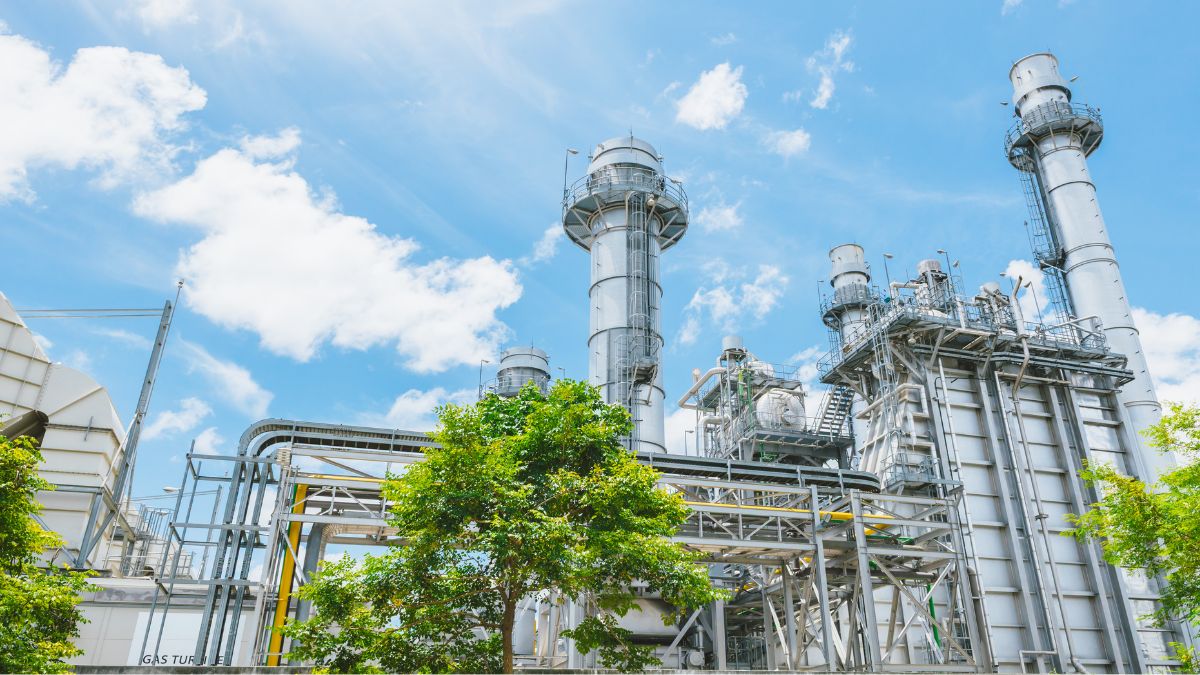
Google Cloud has agreed to develop data centers integrated with on-site power generation facilities alongside NextEra Energy, the world’s largest renewable energy producer. The collaboration addresses surging electricity demands from AI workloads by co-locating natural gas and renewable power plants directly at data center sites. Initial projects target Florida and Texas, with capacity to support up to 2.3 gigawatts of computing power.
NextEra will construct and operate the power infrastructure, ensuring 24/7 availability without relying on strained regional grids. The setup includes combined-cycle gas turbines for baseload power, supplemented by solar arrays and battery storage for peak efficiency. Google estimates this model reduces transmission losses by 15% compared to off-site sourcing, while enabling faster deployment of hyperscale facilities.
The agreement spans multiple phases, starting with a 500-megawatt pilot in 2026, scaling to full gigawatt-class campuses by 2028. It incorporates carbon capture technology on gas plants, aiming for net-zero emissions by 2035 in line with Google’s sustainability pledges. Financial terms remain undisclosed, but analysts project $5 billion in combined investments over five years.
This partnership counters broader industry challenges, where data center power consumption could double to 1,000 terawatt-hours annually by 2030. Traditional utilities face delays in grid expansions, often exceeding 18 months for approvals. On-site generation bypasses these bottlenecks, allowing Google to maintain 99.999% uptime for cloud services powering AI training and inference.
NextEra’s expertise in utility-scale renewables positions it to handle hybrid energy mixes, blending 60% renewables with dispatchable gas for reliability. The model draws from existing co-location successes, such as Amazon’s deals with Talen Energy, but emphasizes integrated design from the outset. Engineering teams will use digital twins for simulation, optimizing layouts to minimize land use by 20%.
Google’s strategy aligns with its 2024 commitment to match 24/7 carbon-free energy for all operations. The deal includes provisions for future upgrades to small modular nuclear reactors, pending regulatory clearances. It supports Google’s AI infrastructure, including TPUs for models like Gemini, which require sustained high-density power.
Industry observers note this as a template for Big Tech’s energy pivot, potentially influencing Microsoft and Meta’s sourcing strategies. U.S. Energy Department data shows data centers already consume 4% of national electricity, projected to rise amid AI growth. The partnership leverages NextEra’s 70-gigawatt portfolio, focusing on regions with abundant solar irradiance.
Deployment timelines prioritize sites near existing fiber optic backbones to cut latency. Security protocols encompass physical fencing, biometric access, and redundant cooling systems rated for 50°C ambient temperatures. Economic impacts include 1,200 construction jobs per site, with ongoing operations employing 300 skilled workers.
Challenges involve navigating federal incentives under the Inflation Reduction Act, which offer tax credits for clean energy integration. The model requires upfront capital of $1.5 billion per gigawatt, offset by long-term power purchase agreements at fixed rates below market averages. Google’s procurement team negotiated clauses for annual efficiency audits.
This initiative underscores a shift toward self-sufficient data ecosystems, reducing vulnerability to blackouts like those in Texas storms. By embedding generation, facilities achieve energy independence, supporting uninterrupted AI services for enterprise clients. NextEra anticipates similar deals with other hyperscalers, expanding its data center revenue stream to 10% of total by 2030.
The collaboration fosters innovation in grid-edge technologies, including AI-optimized load balancing. Pilot metrics will track power usage effectiveness below 1.2, surpassing industry benchmarks. As AI drives exponential compute needs, such integrated solutions become essential for scalable, sustainable growth.