
Figure AI Deploys Commercial Humanoid Fleet at BMW Spartanburg Manufacturing Plant

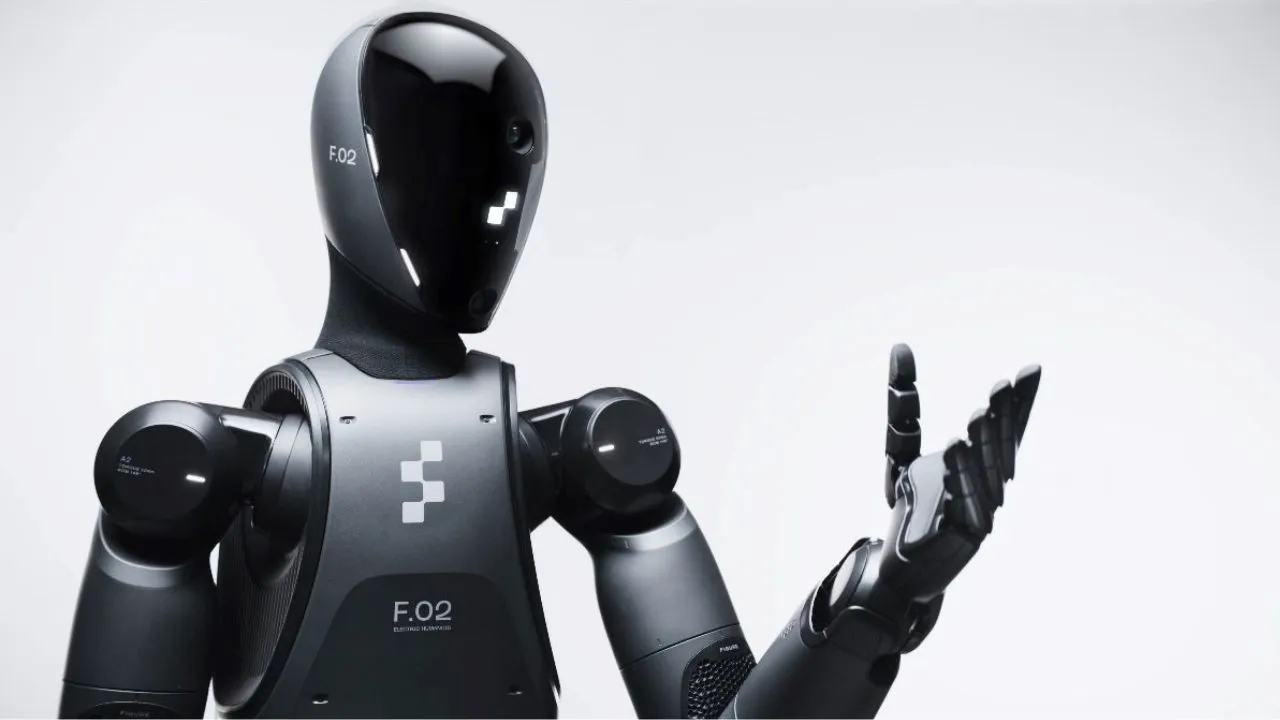
Figure AI has officially integrated its “Figure 02” humanoid robots into the daily workflow at BMW Manufacturing’s Spartanburg facility in South Carolina, marking the first time general-purpose bi-pedal androids have entered permanent commercial service in the automotive sector. The deployment, which began early Monday, involves a fleet of twenty units assigned to the chassis assembly and sheet metal departments, areas previously dominated by fixed-arm automation or manual labor. Unlike traditional industrial robots that require safety cages and precise programming for singular tasks, the Figure 02 units are operating freely alongside human workers. Site managers confirmed that the robots are currently handling complex manipulation tasks, such as the precise insertion of textured interior clips and the transport of irregular sheet metal components between stamping stations.
The technical leap enabling this deployment lies in the robot’s updated vision-language model, which allows the units to correct their own errors in real-time without human intervention. According to Brett Adcock, CEO of Figure AI, the robots process visual data at 200 frames per second, cross-referencing the live feed against a digital twin of the factory floor to navigate dynamic obstacles. The units are equipped with fourth-generation dexterous hands featuring twelve degrees of freedom and tactile sensors capable of detecting pressure variances as slight as 10 grams. This sensitivity allows the machines to handle fragile automotive glass and flexible wiring harnesses, materials that have historically been difficult for rigid automation to manipulate without causing damage.
Operational data from the first shift indicates that the humanoid fleet maintained a 99.8 percent uptime, taking advantage of a new opportunistic charging system that utilizes downtime to top up their battery packs. The robots connect to high-voltage docking stations during line pauses, allowing them to operate for a continuous 20-hour cycle before requiring a full battery swap. This energy efficiency is driven by custom-actuator firmware that uses regenerative braking in the robot’s knee and hip joints, capturing energy during the repetitive squatting and lifting motions required for chassis work. BMW officials noted that the integration of these units has already smoothed out production bottlenecks in the body shop, where parts often arrive in unstructured bins that traditional robots cannot sort.
The safety protocols for this deployment were certified under the new ISO/TS 15066 standards for collaborative robotics, a regulatory framework updated specifically to address mobile humanoid platforms. To meet these standards, the Figure 02 units utilize a “soft-stop” reflex system; if the robot’s lidar or ultrasonic sensors detect a human moving into its immediate trajectory within 500 milliseconds, the actuators instantly go compliant, effectively turning the robot into a limp ragdoll to prevent impact injury. This compliance feature was a mandatory requirement for the United Auto Workers (UAW) union, which has closely monitored the pilot program to ensure worker safety is not compromised by the introduction of mobile autonomous agents.
This deployment represents a pivotal shift in the labor economics of manufacturing, moving beyond the concept of “lights-out” automation to a hybrid model where robots augment human teams. While the initial contract covers only the Spartanburg facility, industry analysts expect BMW to expand the program to its Leipzig and Shenyang plants by mid-2026 if production targets are met. The successful commercialization of the Figure 02 places significant pressure on competitors like Tesla’s Optimus program and Agility Robotics, signaling that the race for humanoid labor has moved from YouTube demonstrations to the factory floor.