Danish Shoppers Turn To Apps To Boycott American Goods

A rising wave of consumer protest has taken hold in Denmark, where citizens are increasingly turning to technology to express their dissatisfaction with recent political developments involving the United States. Following renewed geopolitical tensions regarding the status of Greenland, many Danish shoppers have decided to remove American products from their grocery lists. To facilitate this boycott, locally developed mobile applications have surged in popularity, climbing the charts of digital storefronts and overtaking globally dominant platforms like ChatGPT.
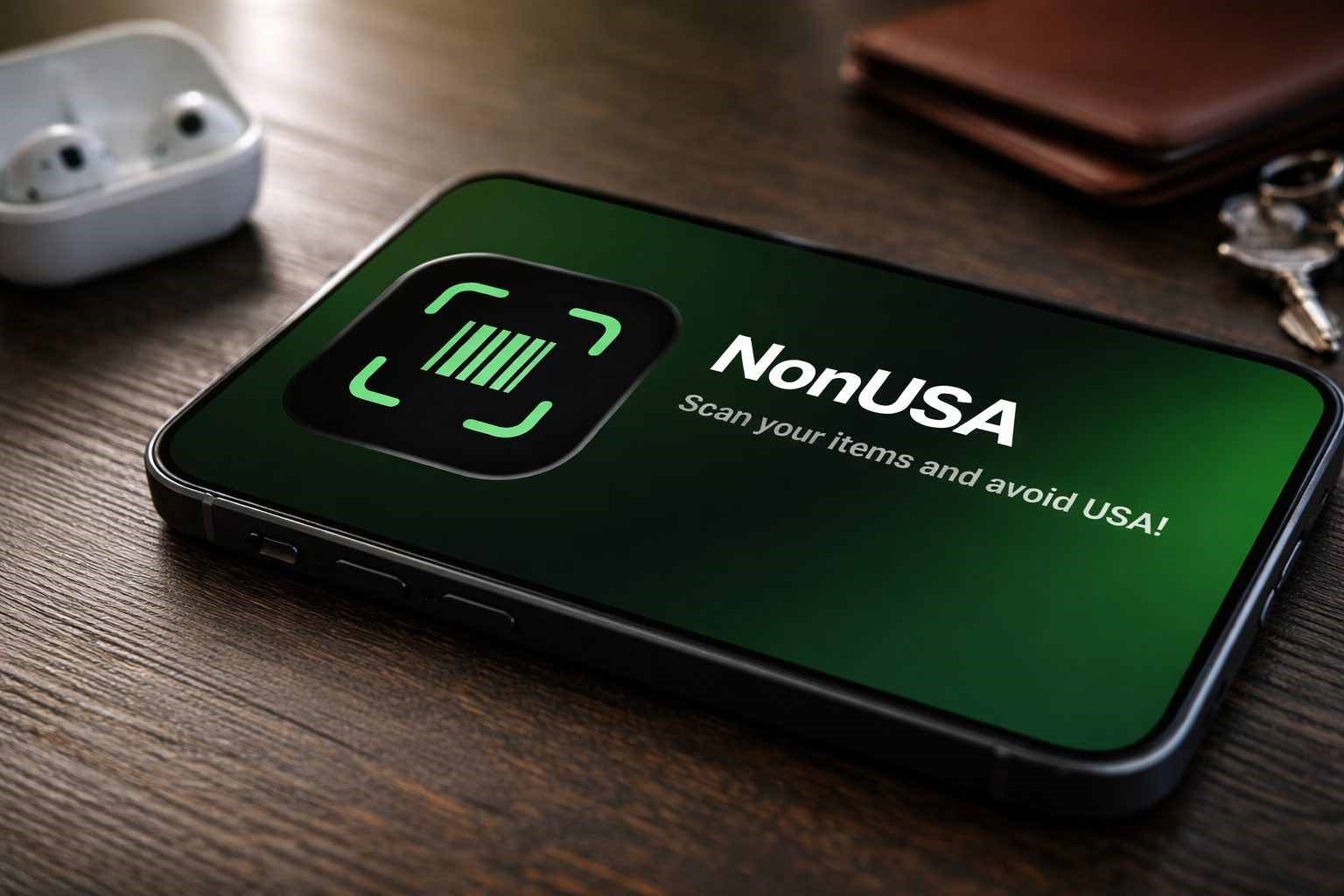
The primary driver behind this digital activism is an app known as ‘UdenUSA’, which translates to “Without USA” in English. Developed by twenty-one-year-old Jonas Pipper and his friend Malthe Hensberg, the software allows users to scan the barcodes of various items in supermarkets. Once scanned, the interface immediately identifies whether the product originates from the United States. If an American origin is detected, the application suggests alternative goods produced in Denmark or other European nations, enabling consumers to make purchasing decisions that align with their political sentiments.
This specific application has seen a meteoric rise, claiming the number one spot on the Danish App Store’s list of free applications. Its success reflects a broader sentiment that began on social media, specifically within a Facebook group dedicated to the boycott which quickly amassed over 100,000 members. Pipper explained in interviews with Danmarks Radio that the idea was born from a desire to provide transparency for consumers who wanted to take part in the protest but found it difficult to decipher complex product labels manually.
Another application, ‘Made O’Meter’, has also experienced a significant boost in downloads, indicating that this is not an isolated phenomenon but a widespread trend among the Danish populace. While the developers maintain that their tools are primarily about offering clarity and choice, the political subtext is undeniable. The software effectively empowers everyday citizens to vote with their wallets, targeting a wide range of goods from food items to consumer electronics.
Experts suggest that while the direct economic impact on the United States might be negligible given the size of the Danish market, the symbolic weight of the movement is substantial. It demonstrates how quickly modern technology can be mobilized to organize grassroots political action and alter consumer behavior on a national scale. The ease with which shoppers can now filter their consumption based on geopolitical allegiances introduces a new dynamic to international trade relations and brand management.
As the situation develops, it remains to be seen whether this form of app-assisted boycotting will spread to other nations or fade as political tensions deescalate. The integration of barcode scanning with political data sets a precedent for how future consumer protests might be conducted in an increasingly digital world.
Do you think using mobile apps to filter products based on political views is an effective form of protest? Share your thoughts in the comments.