Apple and Samsung Shift Toward Wider Foldable Designs

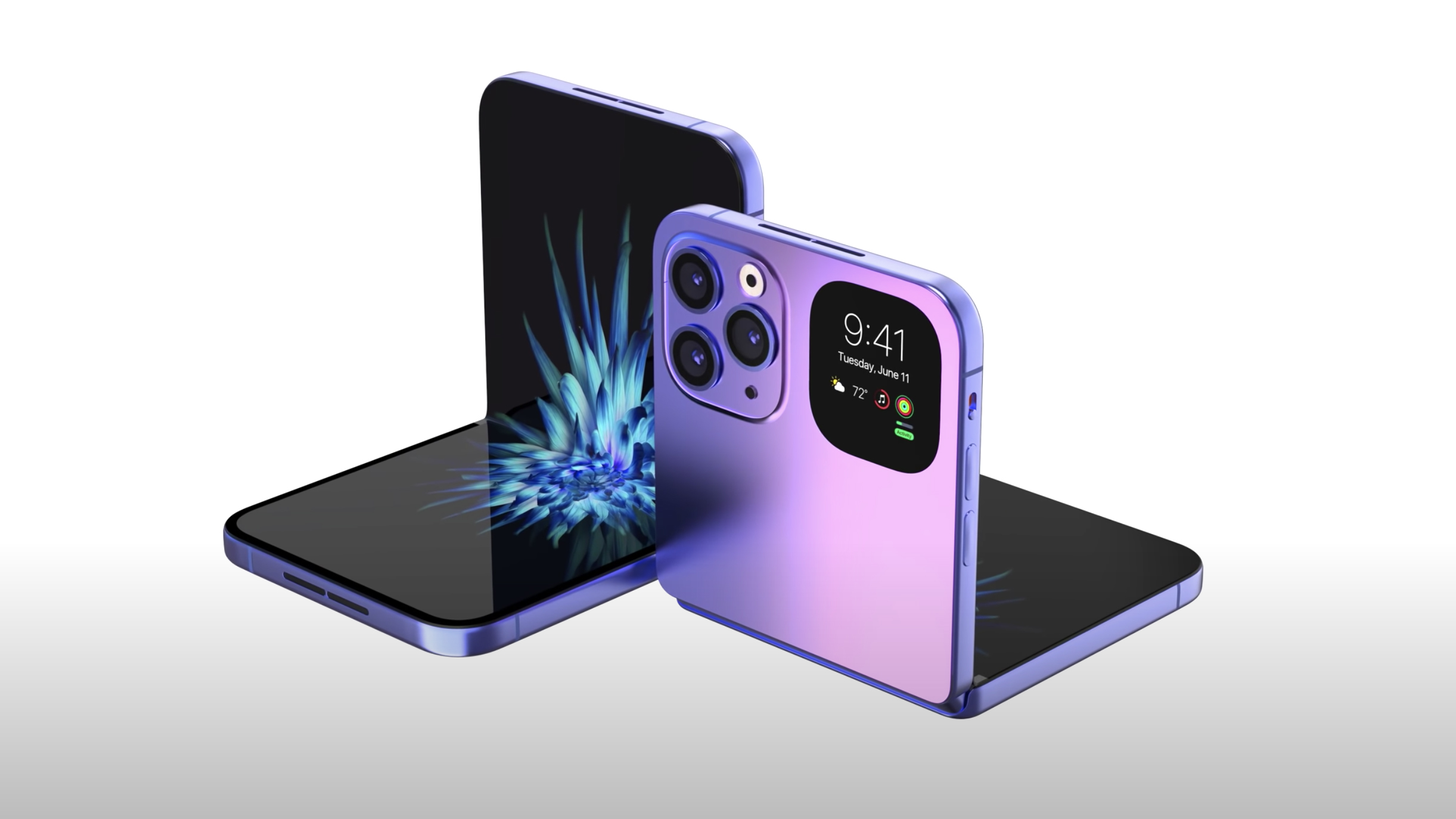
The foldable smartphone market faces a potential shift as major manufacturers reconsider display aspect ratios for upcoming devices. Reports indicate that both Apple and Samsung plan to adopt wider form factors inspired by the original Google Pixel Fold from 2023. This device featured a compact outer screen that unfolded into a squarer internal display, differing from taller ratios used in recent competitors. Industry sources suggest this change aims to improve usability for productivity and media consumption.
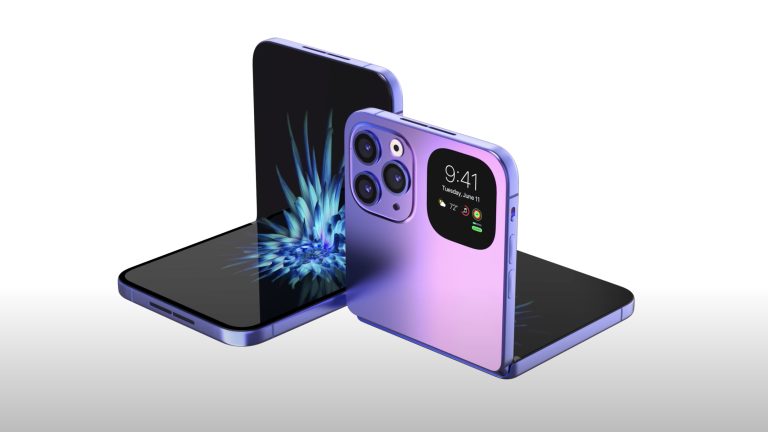
Apple’s rumored first foldable iPhone targets a passport-style design with a larger cover screen. Specifications point to a 7.58-inch inner display for enhanced multitasking capabilities. The outer panel measures approximately 5.4 inches, providing a more phone-like experience when closed. This approach contrasts with current book-style foldables that prioritize slim profiles over external screen utility.
Samsung develops a similar wide-fold variant alongside its standard Galaxy Z series. The device incorporates a 7.6-inch inner screen with a 4:3 aspect ratio, closely matching the original Pixel Fold’s 6:5 layout. A 5.4-inch cover display complements the design. Additional features include 25W wired charging and support for Qi 2.2 wireless standard. Announcement timing aligns with the Galaxy Z Fold 8 reveal.
Google pioneered the wide outer display concept with the Pixel Fold, measuring 5.8 inches externally and 7.6 inches internally. Subsequent iterations from Google moved toward taller ratios to match market trends. Competitors like Honor and Oppo favored ultra-thin clamshells with expansive cover screens. The reported return to wider formats by Apple and Samsung validates the original Pixel approach for certain use cases.
Analysts note increasing demand for foldables that function effectively in both open and closed states. Wider cover screens reduce the need to unfold for basic tasks like notifications and quick replies. Inner displays closer to square ratios benefit applications such as document editing and split-screen viewing. Battery efficiency and hinge durability remain critical factors in these evolving designs.
Market data shows foldable shipments growing steadily despite premium pricing. Samsung maintains dominance through iterative improvements in crease reduction and software optimization. Apple’s entry could accelerate adoption among mainstream consumers. Integration of magnetic wireless charging across platforms highlights converging standards.
This convergence on wider designs signals maturation in the foldable segment. Manufacturers balance portability with functional screen real estate. Future iterations may incorporate advanced materials for lighter builds and improved dust resistance. Competition drives innovation in display technology and user interface adaptations tailored to hybrid form factors.