Solar Storms & Nuclear Alerts: False Alarm Risk

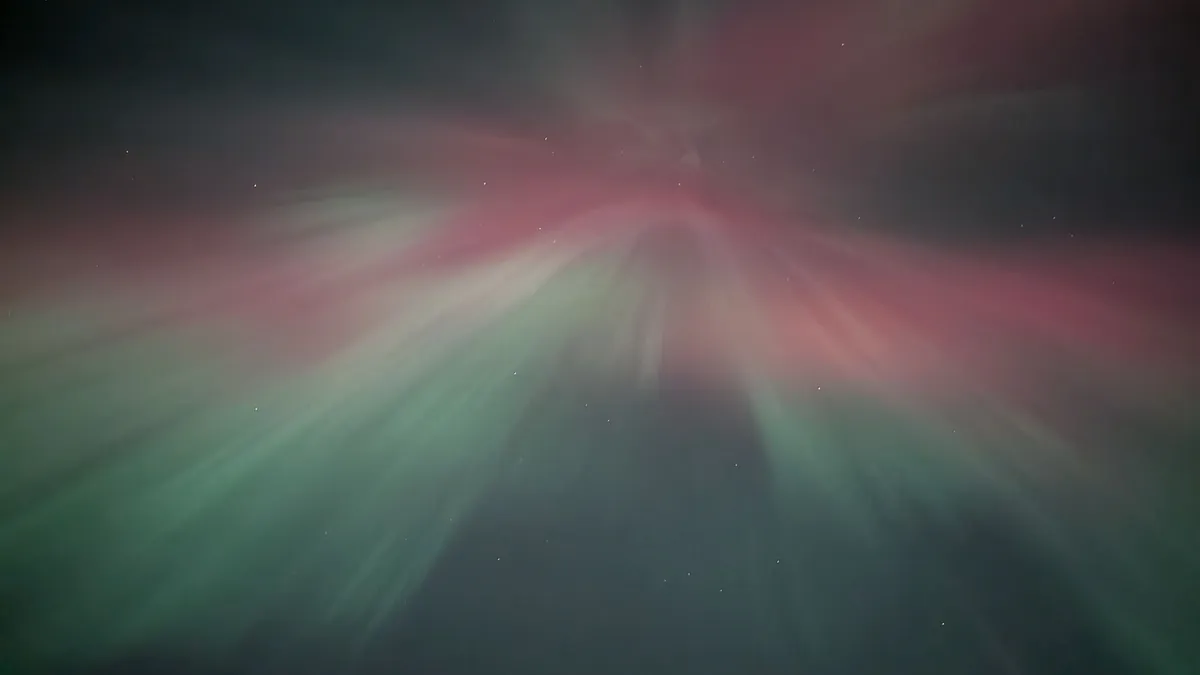
The sun is not a passive star. In 2026, solar activity has surged toward a historic peak, unleashing coronal mass ejections that slam into Earth’s magnetosphere with staggering electromagnetic force. Governments and defense agencies worldwide are quietly confronting a threat that sits at the dangerous intersection of space weather and nuclear security.
The core dilemma is both technical and terrifying: the same electromagnetic signatures produced by a massive solar storm can mimic the sensor readings of an incoming ballistic missile strike. A space solar storms nuclear early warning system conflict is no longer a theoretical edge case — it is an active operational vulnerability that military planners are racing to address before a false alarm escalates into catastrophe. represent a major operational focus.
How Solar Storms Corrupt Nuclear Early Warning Detection
When a coronal mass ejection strikes Earth, it floods the ionosphere with charged particles that distort radio frequency signals across vast geographic regions. Early warning radar networks — including over-the-horizon systems — rely on those same radio frequencies to track fast-moving ballistic objects. A sufficiently powerful geomagnetic storm can produce radar blackouts or ghost returns that are functionally indistinguishable from a real missile launch signature.
The danger compounds when satellite-based infrared sensors, designed to detect missile plume heat signatures, also experience interference from solar-driven particle bombardment. Analysts studying nuclear satellite vulnerabilities have documented how sensor saturation events during geomagnetic storms create precisely the kind of ambiguous data that decision-makers dread most. A window of just 6 to 12 minutes exists between detection and a required response decision.
Mitigation Strategies and the Road to Resilient Alert Infrastructure
Current mitigation relies heavily on cross-referencing data from multiple independent sensor layers — radar, satellite infrared, and seismic monitoring — before any alert is elevated. Defense agencies have also integrated real-time space weather feeds from solar observatories directly into early warning command software, flagging active geomagnetic storm periods as high-noise environments requiring elevated confirmation thresholds. However, this layered approach introduces dangerous latency into a system where seconds genuinely matter.
Future infrastructure upgrades are targeting hardened, radiation-tolerant sensor architectures that can maintain signal fidelity even during extreme solar events. Engineers focused on deep-space radiation shielding are now directly informing the design of next-generation early warning satellites, applying lessons learned from deep-space mission hardware to low-Earth-orbit defense platforms. The goal is a system capable of distinguishing solar noise from genuine threats with 99.97% confidence — even during a Carrington-class event.
The stakes of getting this wrong are not abstract — a single misinterpreted sensor reading during a major solar storm could compress a geopolitical crisis into minutes. Sustained investment in space weather integration, sensor redundancy, and hardened satellite architecture is the only credible path forward for a resilient space solar storms nuclear early warning system. What do you think — are current governments moving fast enough to close this dangerous gap before the next major solar event hits?