Adversarial Patches Blind Military AI in 2026

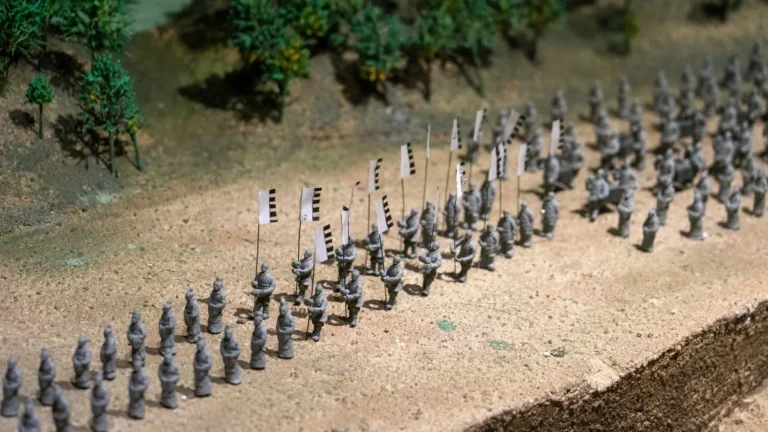
Artificial intelligence has reshaped modern defense infrastructure at a staggering pace, powering everything from autonomous drone targeting to battlefield object recognition. By October 2026, military forces across at least 14 nations have deployed AI-driven vision systems as frontline tactical assets. The stakes surrounding their reliability have never been higher.
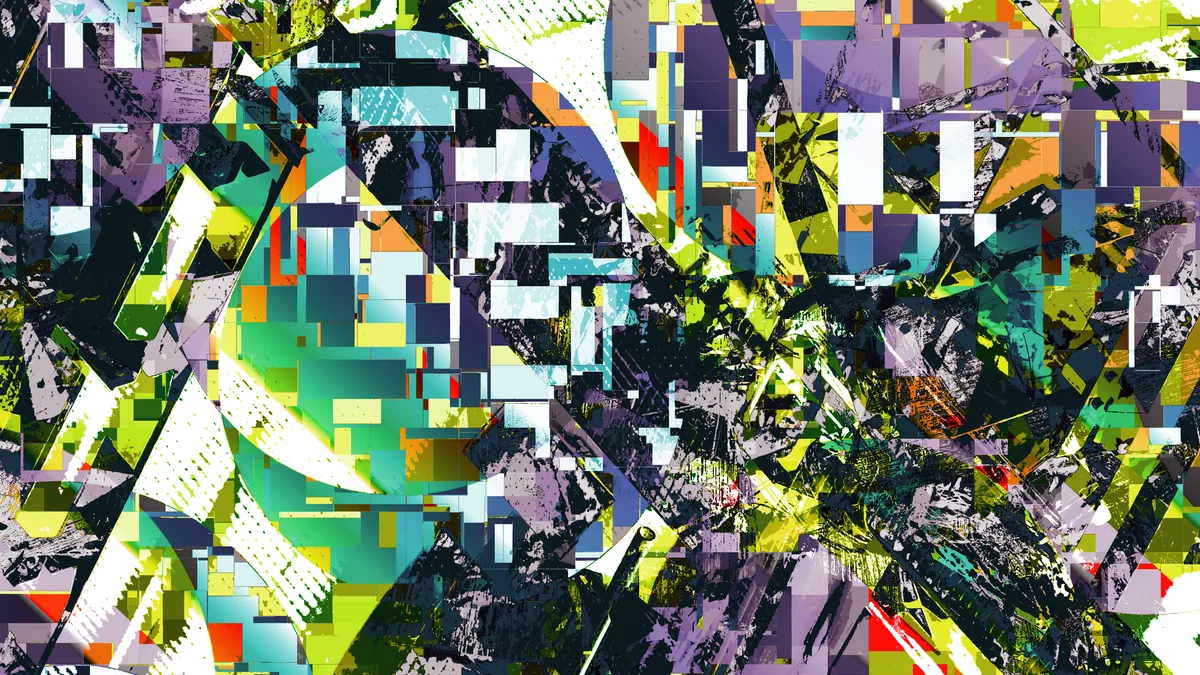
Yet a surprisingly low-tech threat is exposing a catastrophic blind spot inside these sophisticated systems. Adversarial patches — small, carefully engineered visual patterns — are capable of completely fooling AI vision systems into misidentifying or ignoring real-world objects. This vulnerability is no longer theoretical; it is actively being exploited in contested operational environments.
How Adversarial Patches Exploit Computer Vision Vulnerabilities
Adversarial patches work by injecting precisely calculated pixel noise into a physical object’s visual surface, causing deep neural networks to catastrophically misclassify what they observe. Foundational patch research demonstrated that a single printed sticker, roughly 20 centimeters wide, could cause an ImageNet classifier to misidentify a target with over 90% confidence. This is the core mechanic that adversarial patches AI vision systems exploit at a fundamental architectural level.
The attack is particularly dangerous because it requires no access to the target AI model’s internal code or weights. An adversary only needs knowledge of the general model family — such as convolutional neural networks — to engineer a patch that transfers across multiple deployed systems. Researchers have documented this cross-model transferability in robust adversarial examples studies, confirming the threat scales alarmingly well in real-world conditions.

Real Battlefield Consequences and Emerging Defense Strategies
In practical military scenarios, adversarial patches have been applied to vehicle rooftops, soldier uniforms, and even drone fuselages to evade AI-powered targeting systems. This threat connects directly to broader concerns about AI deceptive behavior patterns that security auditors have flagged repeatedly across defense contracts. A misclassified tank or an invisible combatant represents a life-or-death failure mode with no margin for error.
DARPA’s AI robustness program has invested heavily in adversarial training pipelines, where models are deliberately exposed to patch attacks during training cycles to build perceptual resilience. Simultaneously, the rise of covert image channel exploits in 2026 has forced defense engineers to rethink multi-layered detection architectures entirely. Ensemble models, input preprocessing filters, and certified defense frameworks are now considered non-negotiable components of any military-grade vision pipeline.
Ethical and Security Implications for Modern Warfare
The weaponization of adversarial patches raises urgent questions about accountability when an AI system kills or spares a target based on a manipulated visual input. International frameworks governing autonomous weapons have not yet addressed patch-based deception as a distinct category of attack. This legal and ethical vacuum is accelerating faster than any regulatory body has been able to respond.
Adversarial patches represent 1 of the most asymmetric threats in modern AI security — cheap to deploy, devastatingly effective, and extraordinarily difficult to fully neutralize. The gap between offensive patch engineering and defensive robustness measures remains dangerously wide in 2026, and closing it demands urgent cross-disciplinary collaboration between AI researchers, military strategists, and policymakers.
Adversarial patches AI vision systems cannot yet reliably defeat represent a ticking clock for every nation fielding autonomous defense technology today. The next breakthrough in this arms race could come from a university lab or a hostile state actor — and the difference in outcome is enormous. What do you think is the most critical step governments should take right now to defend military AI against adversarial patch attacks — drop your perspective in the comments below.