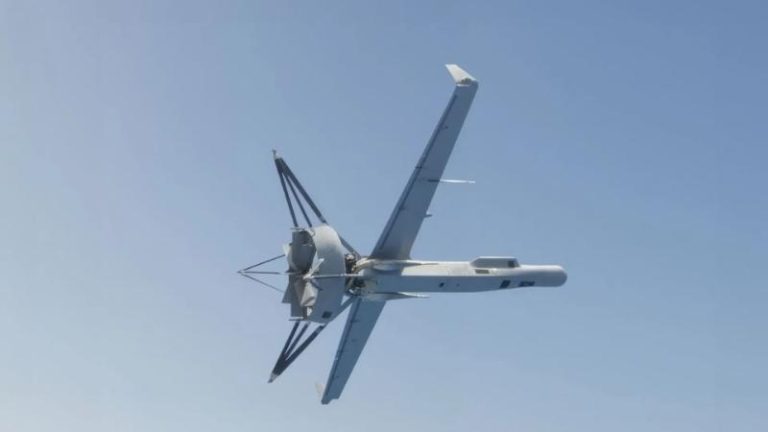
Why Tanks Are Vulnerable to Cheap Drones in 2026

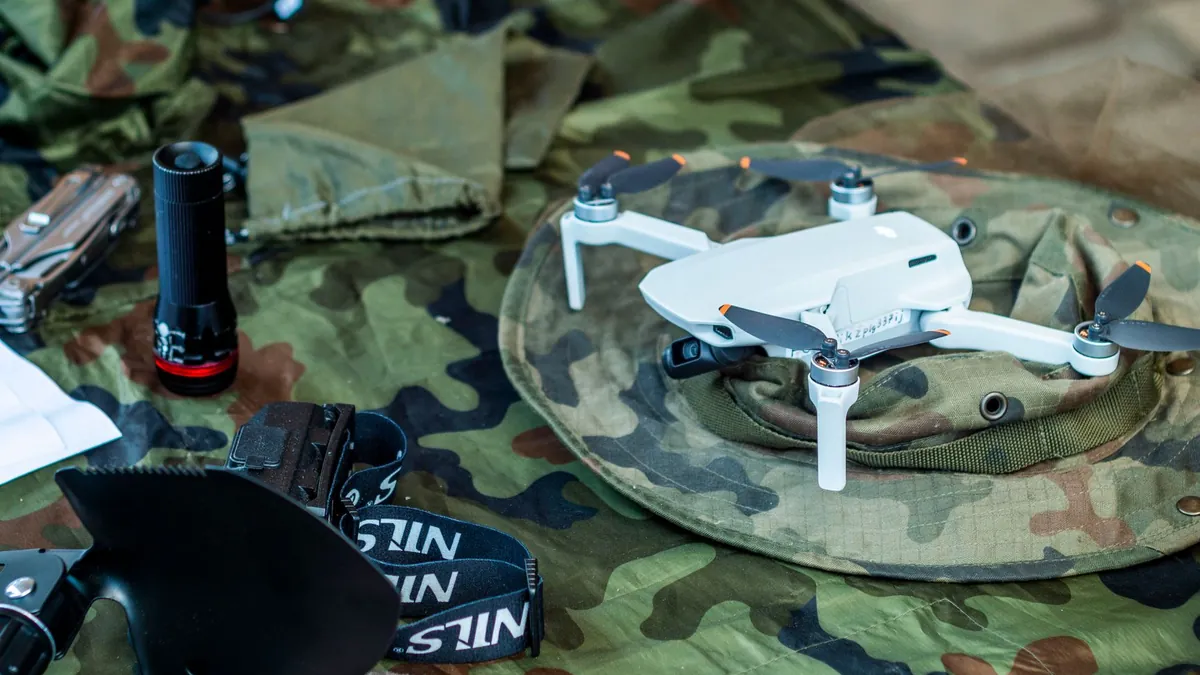
Modern warfare has entered a phase that military strategists call the “cheap kill” era, where asymmetric technology is fundamentally rewriting battlefield doctrine. Conflicts across Eastern Europe and the Middle East have demonstrated, repeatedly and brutally, that expensive armored platforms are no longer the dominant force they once were. The year 2026 has only accelerated this uncomfortable reckoning for defense establishments worldwide.
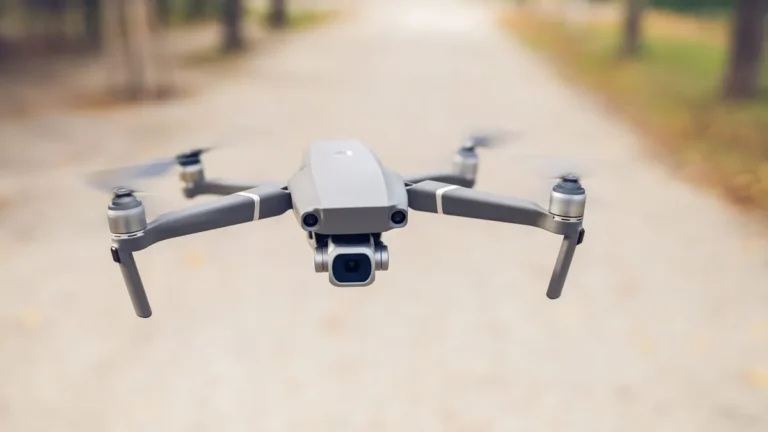
Main battle tanks represent some of the most sophisticated and costly weapons systems ever engineered, with individual units routinely priced between 8 million and 15 million dollars. Yet commercial drones costing as little as 400 dollars have disabled or destroyed these armored giants with alarming regularity. The debate around commercial drones vs main battle tanks is no longer theoretical — it is playing out in live combat zones right now.
The Cost Asymmetry Driving a Battlefield Revolution
The financial mathematics of modern drone warfare are staggering and deeply unfavorable to conventional armored forces. A single Leopard 2 or M1A2 Abrams costs upward of 10 million dollars to procure, maintain, and crew, while a modified FPV drone carrying a shaped-charge warhead can be manufactured for under 600 dollars. RAND Corporation research confirms that this cost-exchange ratio fundamentally undermines the economic logic of fielding large armored fleets.
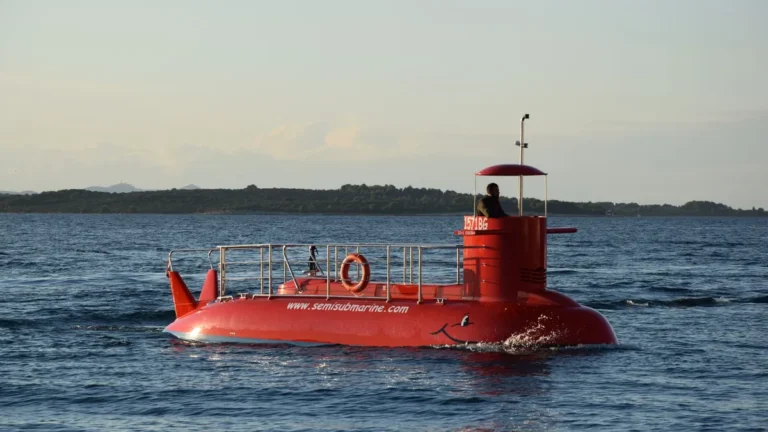
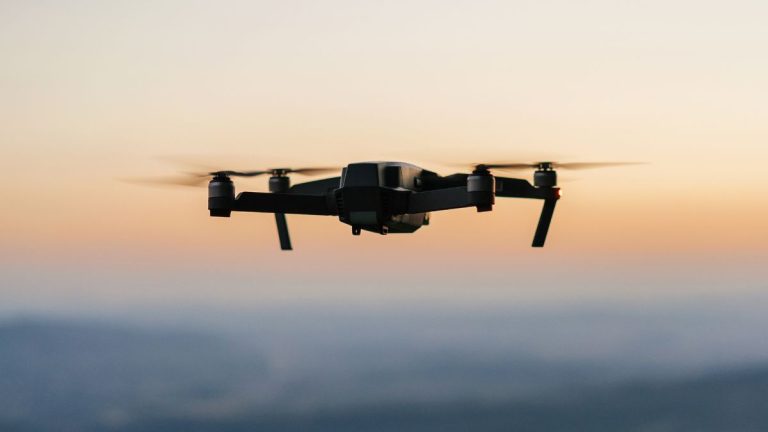
Aerial reconnaissance drones operating at altitudes beyond the range of tank-mounted machine guns can identify, track, and designate armored vehicles with precision optics. This capability strips tanks of their traditional advantage — the ability to maneuver unseen — and turns open terrain into a killing field. Much like the underwater glider drone surveillance reshaping naval warfare, aerial drones have made concealment nearly impossible for surface armor.
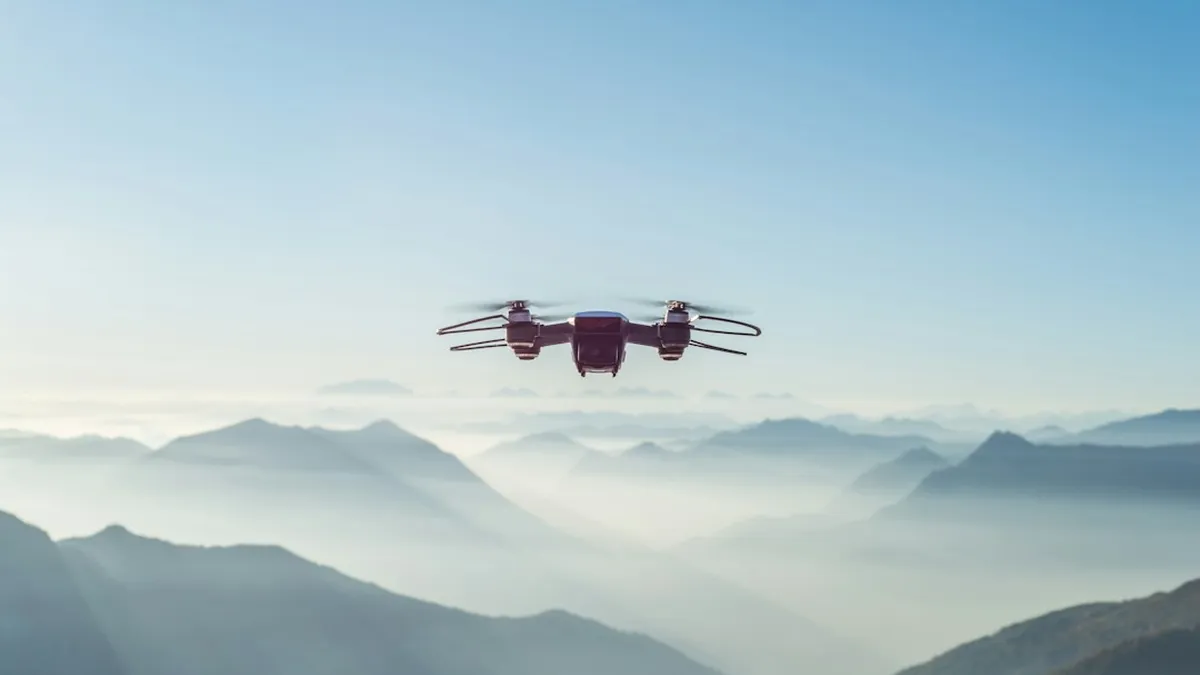
Swarm Tactics, Countermeasures, and the Evolving Arms Race
Swarm tactics represent the most dangerous evolution in the commercial drones vs main battle tanks conflict, with coordinated groups of 10 to 50 drones simultaneously attacking a single vehicle from multiple angles. Active Protection Systems like Trophy and Arena can intercept some threats, but they carry limited ammunition and cannot engage every drone in a dense swarm simultaneously. Commanders who underestimate swarm density are making a fatal tactical error that has already cost dozens of tank crews their lives in 2025 and 2026.
Tank manufacturers and defense contractors are responding with electronic warfare suites, AI-driven targeting systems, and hardened communications — and soldiers are adapting their personal gear too, as detailed in coverage of bone-conduction headset combat use for maintaining situational awareness under drone attack. However, no countermeasure yet deployed has fully neutralized the threat posed by cheap, mass-produced aerial systems. The arms race between drone offense and armored defense is accelerating faster than procurement cycles can keep pace.
The era of the invincible main battle tank is definitively over, replaced by a complex, contested battlefield where a 500-dollar drone can decide the fate of a 12-million-dollar machine. Adaptation is no longer optional for armored forces — it is an existential requirement. What do you think: can tanks ever truly adapt to the drone threat, or are they already obsolete?