10 Extreme Cold-Weather Military Transport Vehicles


As geopolitical tensions over Arctic sovereignty intensify in 2026, the frozen frontier has transformed from a remote wilderness into one of the most strategically contested zones on Earth. Nations are pouring billions into cold-weather readiness, and the machines moving troops across ice, tundra, and permafrost have never mattered more.
Most people assume standard military vehicles simply get winter tires and call it Arctic-ready — that assumption is dangerously wrong. The engineering behind true Arctic military transport vehicles involves radical thermal management, specialized track systems, and amphibious capability that conventional platforms cannot replicate. According to detailed research documentation and historical records referenced via Wikipedia (Cold-weather warfare), these developments represent a major operational focus.
1. Hägglunds BvS10 All-Terrain Armored Personnel Carrier
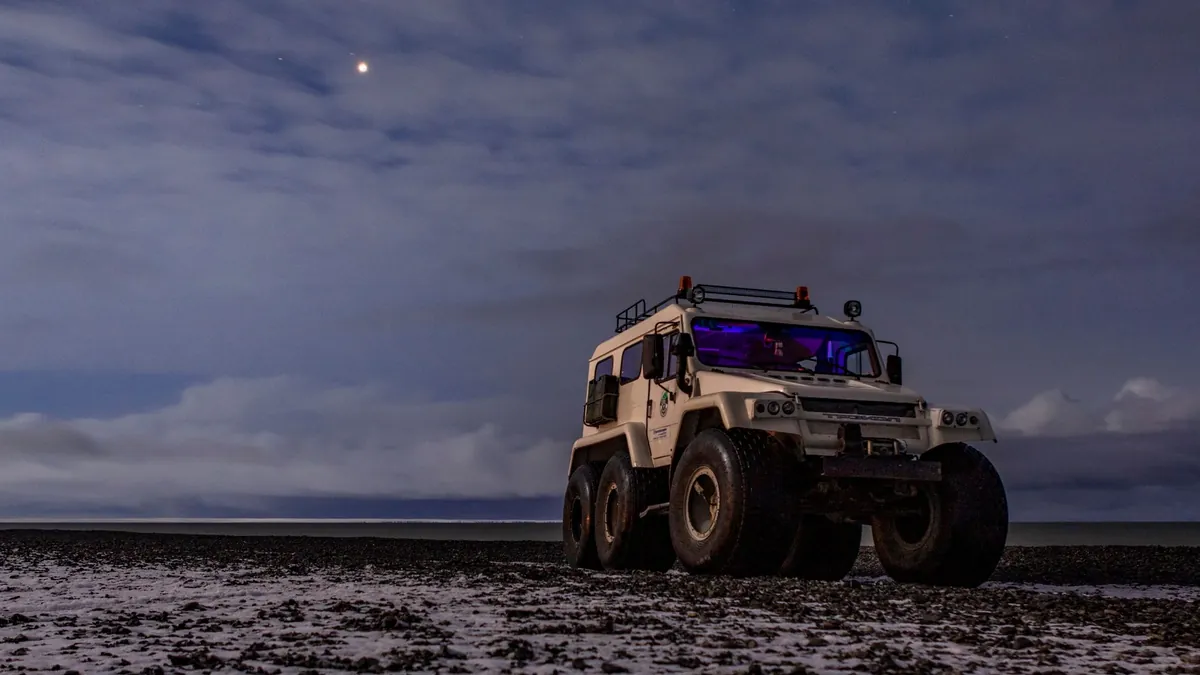
The BvS10 is the gold standard for articulated tracked Arctic mobility, used by Sweden, the UK, and the Netherlands across some of the planet’s most unforgiving terrain. Its twin-unit articulated body distributes weight across deep snow and bog with remarkable efficiency. It carries up to 10 fully equipped troops without sacrificing protection.
- Key Reality: Operates reliably at temperatures as low as -46°C, with a payload capacity exceeding 2,000 kg.
2. Avtoros Shaman 8×8 Amphibious Transport System

Russia’s Avtoros Shaman is a brutally capable 8×8 all-terrain platform that transitions from frozen tundra to open water without hesitation. Its ultra-low tire pressure system — adjustable from the cab — lets it float across rivers and navigate boggy Arctic coastlines. Few vehicles in any inventory match its sheer environmental versatility.
- Key Reality: The Shaman’s 8 independently driven wheels deliver traction even with 2 wheels completely disabled.
3. Polaris MRZR Arctic Rapid Mobility Vehicle
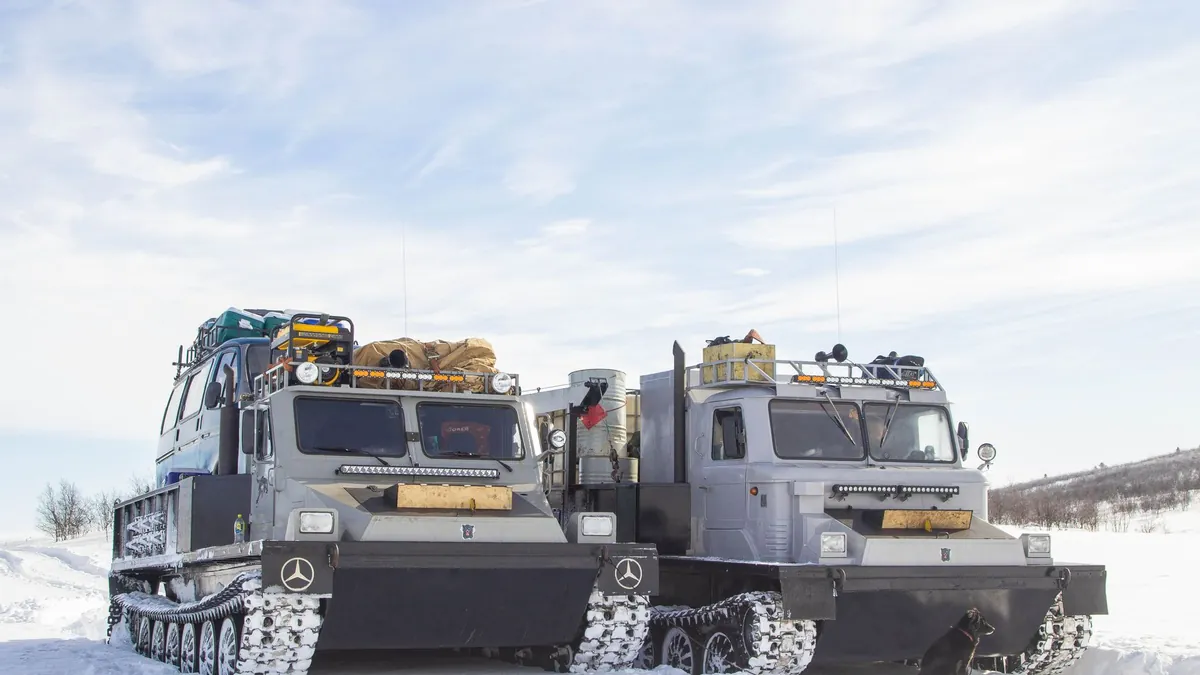
The Polaris MRZR Arctic variant gives special operations forces a lightweight, air-deployable solution for rapid cold-weather insertion. It weighs under 1,500 lbs, fits inside a CH-47 Chinook, and reaches speeds of 60 mph across compacted snow. NATO special operations units have increasingly adopted it for forward reconnaissance missions.
- Key Reality: The MRZR Arctic can be configured with modular weapon mounts in under 15 minutes.
4. Textron Arctic Cat Wildcat XX All-Terrain Combat Vehicle
Textron’s militarized Wildcat XX blends commercial side-by-side DNA with hardened combat engineering for Arctic patrol roles. Its turbocharged engine sustains power output even in oxygen-thin, frigid air where lesser engines stumble. It has been evaluated by multiple NATO members as a cost-effective light patrol solution.
- Key Reality: The Wildcat XX produces 121 horsepower and handles grades up to 40 degrees on packed snow.
5. Fuchs Transportpanzer 1 Cold-Weather Logistics Carrier
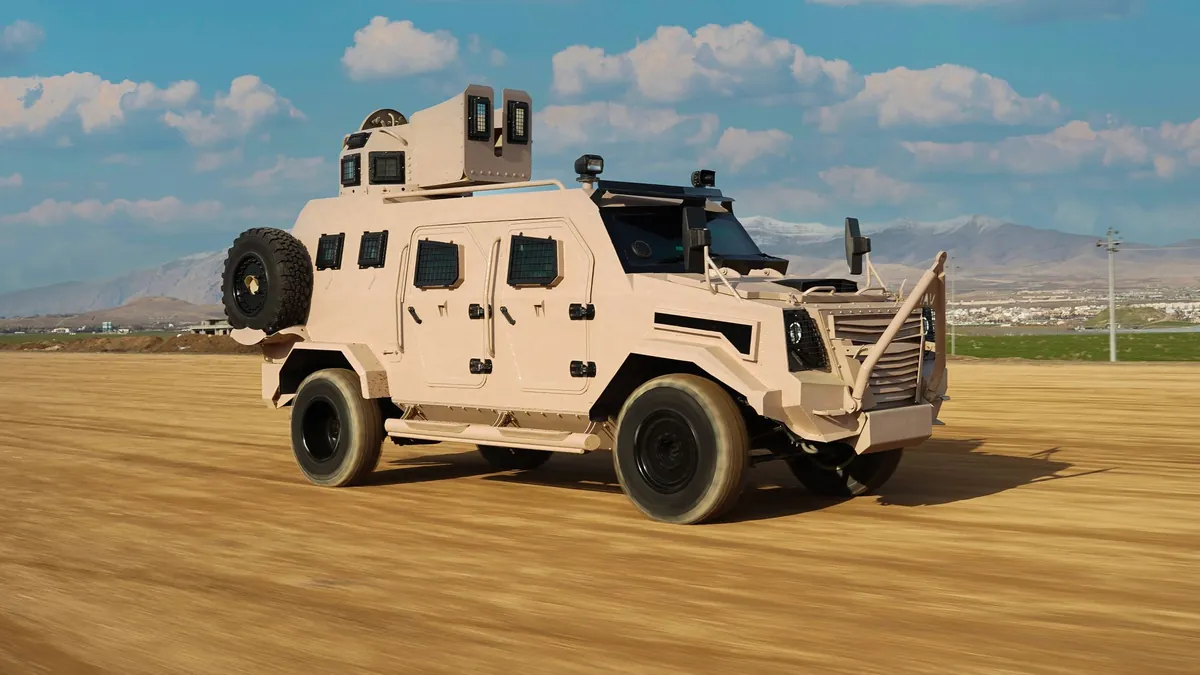
Germany’s Fuchs Transportpanzer 1 is a 6×6 wheeled armored vehicle with a proven cold-weather logistics record across European Arctic exercises. Its NBC-protected hull and heated interior make it equally effective as a troop carrier or forward command post in extreme cold. The Bundeswehr and several allied nations operate it as a backbone Arctic logistics asset.
- Key Reality: The Fuchs carries up to 10 personnel and 4,500 kg of cargo across ice-hardened terrain.
6. Oshkosh HEMTT A4 Heavy Expanded Mobility Tactical Truck
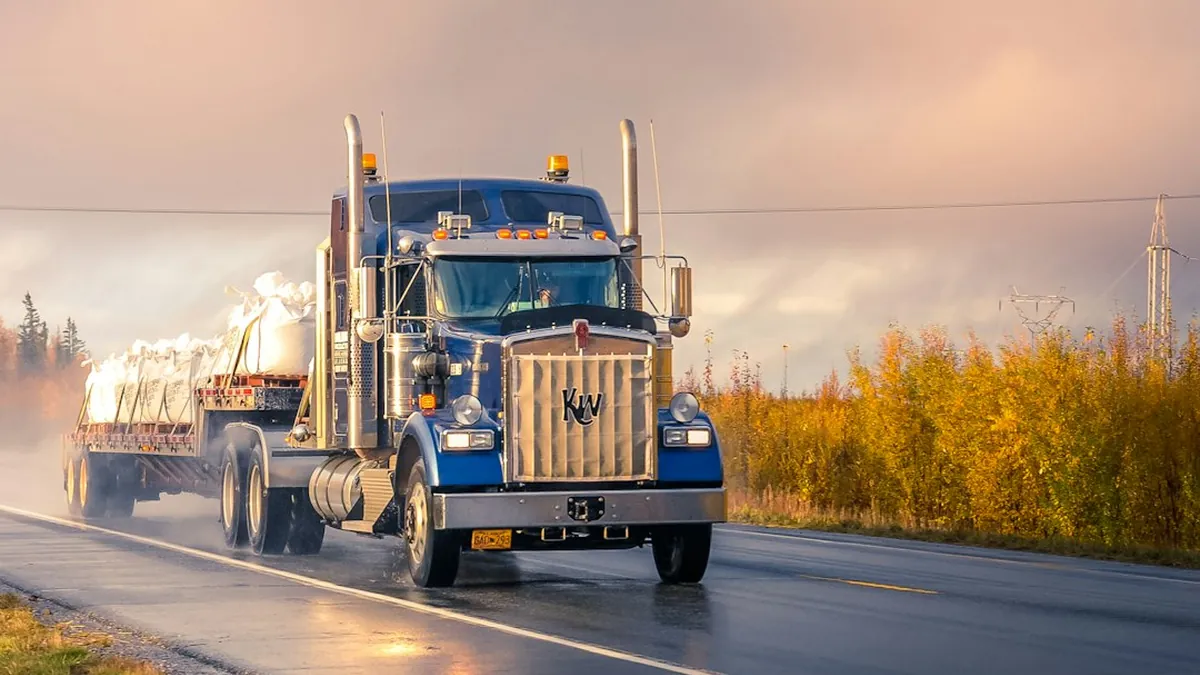
The Oshkosh HEMTT A4 is the U.S. Army’s heavy-lift workhorse, and its Arctic-configured variants keep supply chains alive when temperatures plunge below -40°C. Its central tire inflation system adapts ground pressure dynamically across ice roads and frozen lake crossings. Much like the experimental tundra hovercraft platforms pushing Arctic mobility forward, the HEMTT proves that logistics innovation is just as critical as firepower.
- Key Reality: The HEMTT A4 hauls payloads up to 16,000 kg and is powered by a 600-horsepower diesel engine.
7. BAE Systems Beowulf All-Terrain Tracked Vehicle

BAE Systems’ Beowulf is a next-generation articulated tracked carrier purpose-built for the U.S. Army’s Cold Weather All-Terrain Vehicle program. Its articulated design and rubber track system minimize ground pressure to just 2.5 psi, allowing it to traverse deep snow without sinking. It represents the most significant American investment in dedicated Arctic ground mobility in decades.
- Key Reality: Beowulf transports up to 16 troops or 5,000 lbs of cargo in temperatures reaching -46°C.
8. Sisu Nasu 6×6 Arctic Military Transport Truck
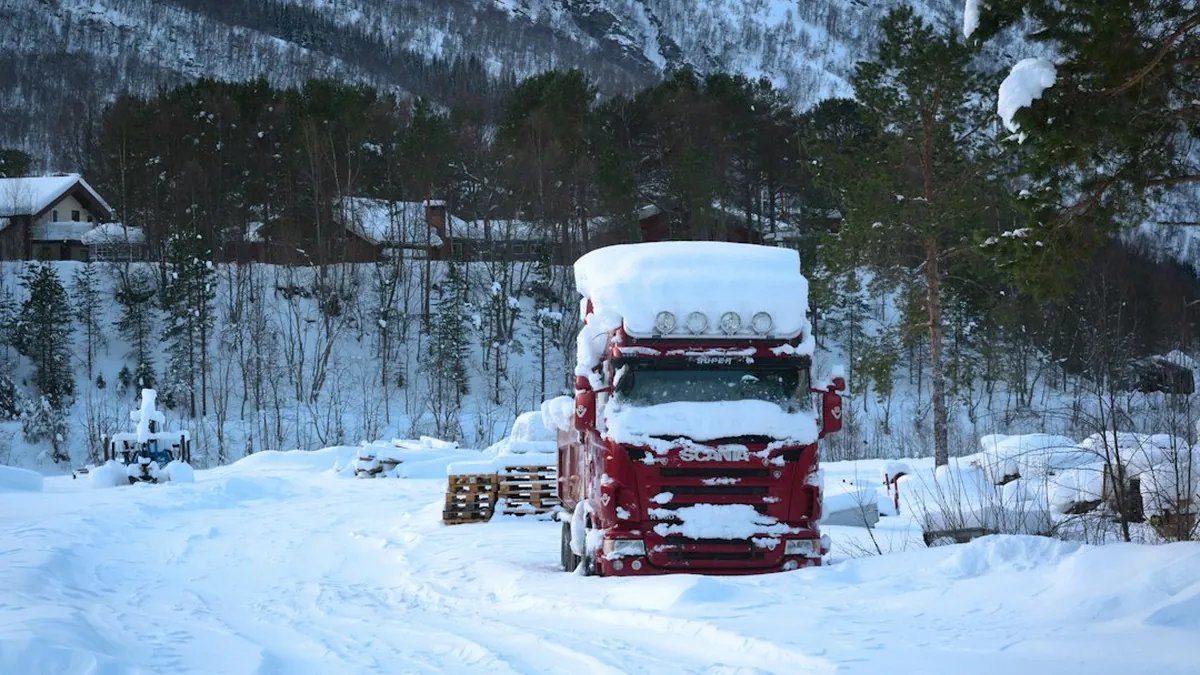
Finland’s Sisu Nasu is a legendary Arctic workhorse that has served Finnish Defence Forces across some of the coldest operational environments in Europe. Its 6×6 drivetrain and insulated cab maintain operational capability well below -40°C without auxiliary heating systems. Finland’s geography makes this vehicle’s cold-weather pedigree impossible to fake.
- Key Reality: The Nasu’s modular cargo bed accepts field hospital, command, and weapons configurations interchangeably.
9. Volvo FMX Arctic Heavy-Duty Military Logistics Vehicle
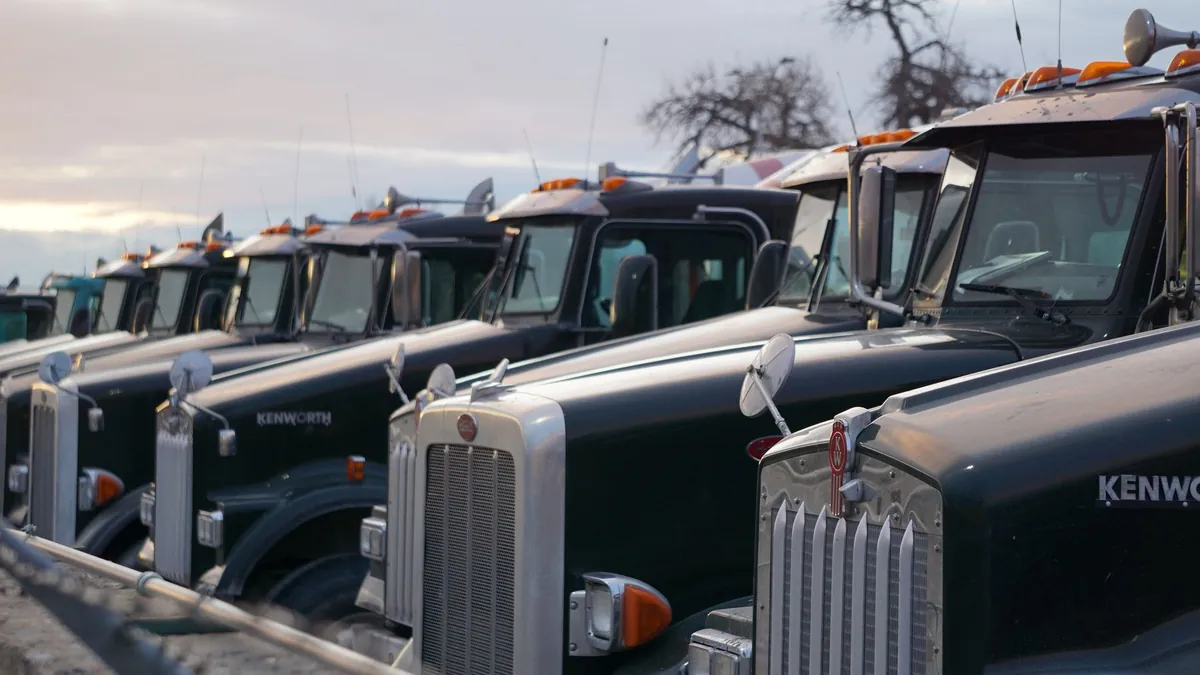
Sweden’s Volvo FMX Arctic edition brings commercial heavy-truck engineering into the military supply chain with cold-weather-specific modifications throughout. Its engine block heater, Arctic-grade lubricants, and reinforced suspension system keep it mission-capable when civilian logistics grind to a halt. Several Scandinavian NATO members rely on it for forward-area resupply in winter exercises. Tracking these vehicles through contested terrain increasingly depends on tools like ML models detecting hidden military bases, which reshape how Arctic logistics movements are monitored.
- Key Reality: The FMX Arctic variant operates continuously at -52°C with no cold-start performance degradation.
10. Bombardier Rotax Snowmobile Military Transport Platform

Bombardier’s military snowmobile platform remains one of the most deployable and cost-effective Arctic transport solutions available to light infantry units globally. Its Rotax engine delivers reliable cold-start performance, and its compact profile allows air insertion by helicopter or fixed-wing aircraft. Canadian and Norwegian forces use it extensively for rapid Arctic patrol and search-and-rescue operations.
- Key Reality: Military Rotax snowmobile platforms cost roughly 15,000 to 25,000 dollars per unit — a fraction of armored alternatives.
Arctic military transport vehicles span an enormous range of size, cost, and capability, but they share 1 non-negotiable requirement: absolute reliability when the environment itself becomes the enemy. The nations that invest seriously in this specialized fleet will hold a decisive edge as Arctic competition accelerates through 2026 and beyond — drop your thoughts on which platform impresses you most in the comments below.