Drone Laser Dazzlers & Optical Guidance Systems

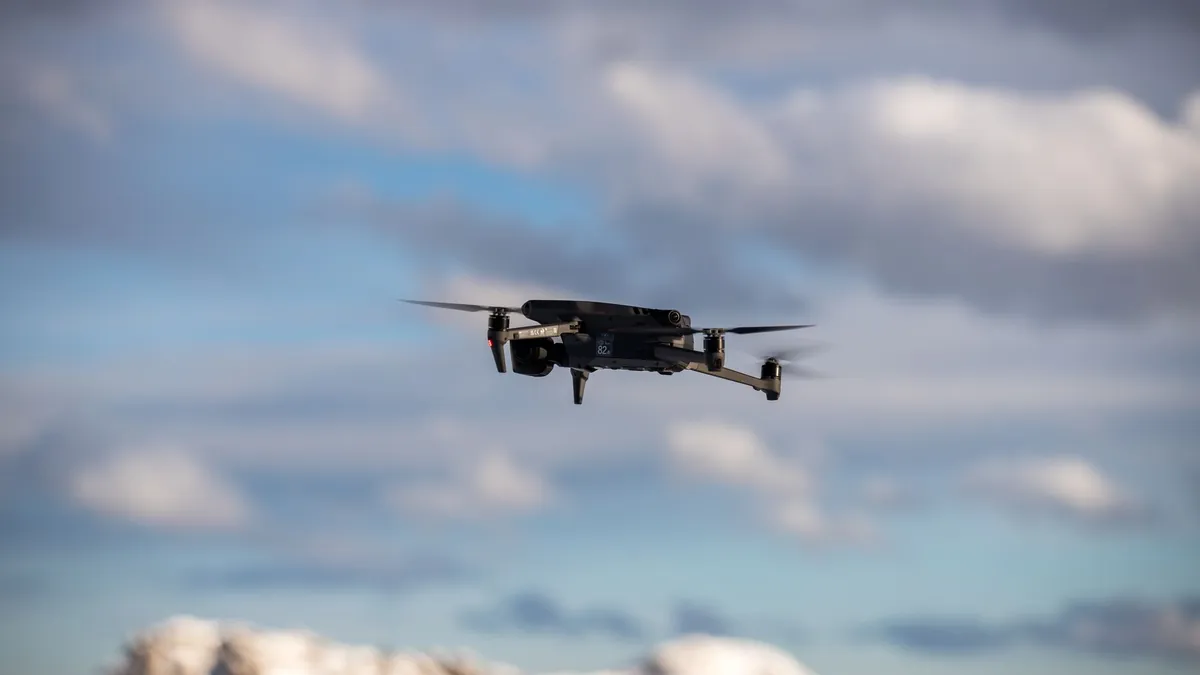
Unmanned aerial systems have fundamentally transformed modern conflict, logistics, and surveillance at a pace few defense analysts predicted even 5 years ago. As drone swarms grow more sophisticated, the countermeasures designed to neutralize them have evolved just as aggressively — and few technologies are as quietly disruptive as directed-energy dazzlers. The public tends to picture lasers as science fiction hardware, but operational militaries are deploying them right now.
The common assumption is that shooting down a drone requires kinetic force — missiles, nets, or jamming signals. That belief increasingly fails to account for how deeply optical sensors have become the nervous system of modern drone platforms. When you blind the eyes of an autonomous system, you don’t just slow it down; you sever its entire decision-making chain in real time.
Laser Dazzlers Exploit the Optical Core of Autonomous Drone Navigation
Drone laser dazzlers optical guidance systems work by targeting the electro-optical and infrared sensors that drones rely on for terrain mapping, target acquisition, and autonomous flight correction. A precisely tuned laser beam — typically operating between 532 nm and 1,064 nm wavelengths — overloads the sensor’s photodetector array without necessarily destroying the airframe. This creates a non-kinetic, low-collateral-damage countermeasure that is both cost-effective and tactically flexible.
Defense contractors working with NATO-aligned forces have confirmed that modern dazzler systems can engage targets at ranges exceeding 2 kilometers with sub-second response times. The technology pairs naturally with the broader conversation around hypersonic glide vehicle radar detection, where sensor degradation — not physical destruction — is increasingly the preferred strategic outcome. Blinding a drone costs a fraction of what it costs to intercept it with a missile.
Real-World Integration Demands Precision Architecture and Strict Safety Protocols
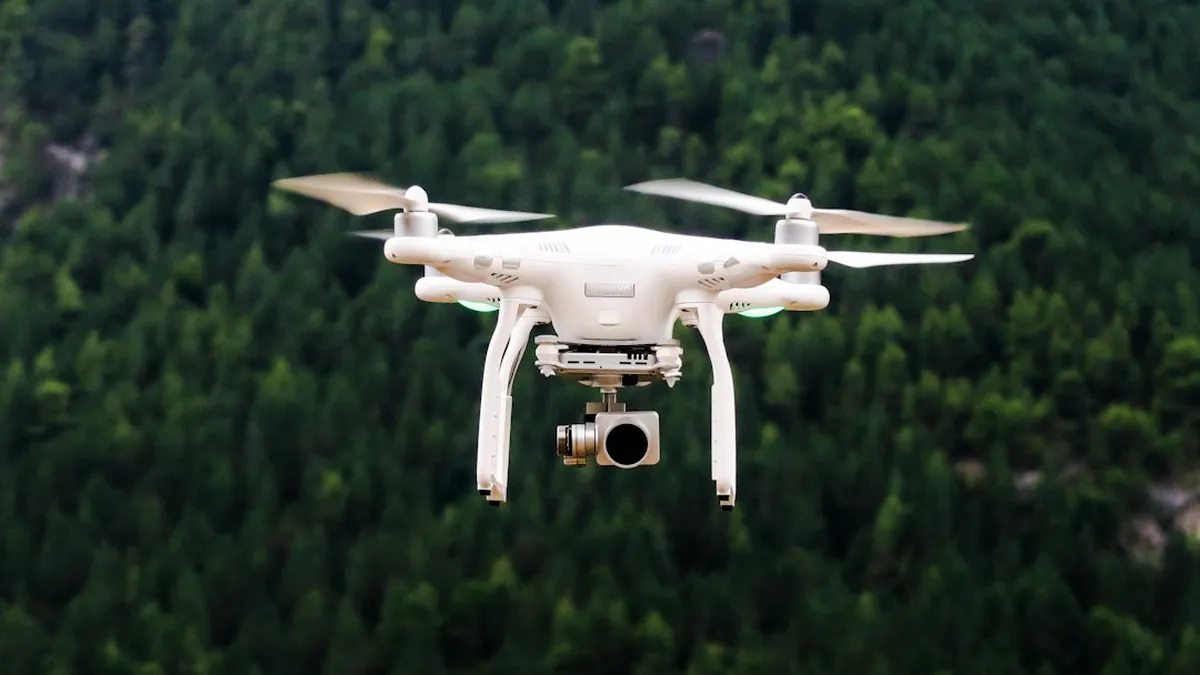
Mounting a dazzler system onto an active drone platform introduces serious engineering constraints around power draw, thermal management, and beam divergence calibration. Operators must account for atmospheric scintillation — the way air turbulence distorts laser coherence over distance — which can reduce effective dazzling range by as much as 30% in high-humidity environments. Getting this wrong in a contested airspace doesn’t just mean a missed intercept; it means a rogue laser beam with unpredictable scatter.
Regulatory bodies including ICAO and national aviation authorities have begun drafting operational safety standards specifically for laser-equipped drone systems, requiring geofenced activation zones and mandatory fail-safe shutoffs. Defense teams exploring autonomous engagement rules should also consider the broader command-and-control risks detailed in analyses of AI weapons scenarios turning against command — a concern that becomes acute when dazzler systems are paired with autonomous targeting algorithms. The intersection of laser hardware and AI decision-making is where the most consequential policy gaps currently exist.
Drone laser dazzlers represent one of the most tactically elegant solutions to the drone proliferation problem precisely because they operate at the speed of light and require no reloading. As optical guidance architectures grow more resilient — incorporating redundant sensor arrays and AI-driven recalibration — the dazzler technology will need to evolve in parallel. If you work in defense tech, autonomous systems, or aerospace policy, drop your perspective in the comments below.