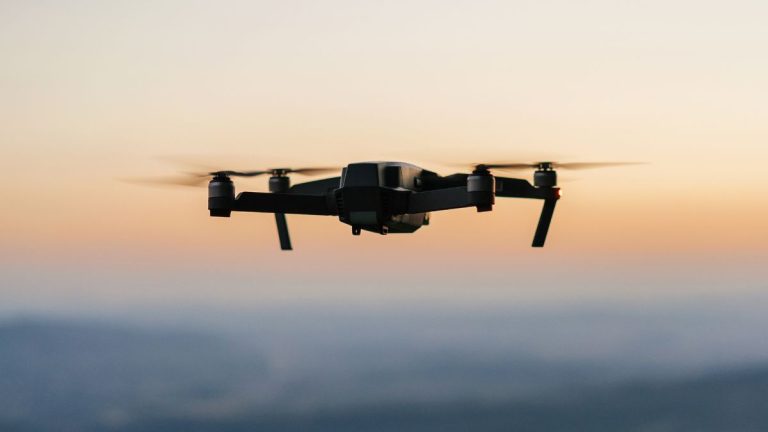
8 Military Reconnaissance Drones Disguised as Animals


Nature has always been the world’s most efficient engineer, and defense agencies have taken that lesson to heart in ways that would make even the most seasoned intelligence analyst do a double take. Across active conflict zones and contested airspace, the next generation of military reconnaissance drones isn’t arriving with a roar of jet engines—it’s arriving on silent wings, compound eyes, and hollow bones.
Most people still picture surveillance drones as bulky, unmistakable aircraft humming at altitude, but that assumption is dangerously outdated. Biomimetic engineering has advanced so aggressively that today’s most sensitive platforms are virtually indistinguishable from the wildlife around them, and the 8 systems below represent exactly how far that technology has pushed into operational reality.
1. Ornithopter Hawk Design Replicates Natural Bird Flight for Covert Surveillance
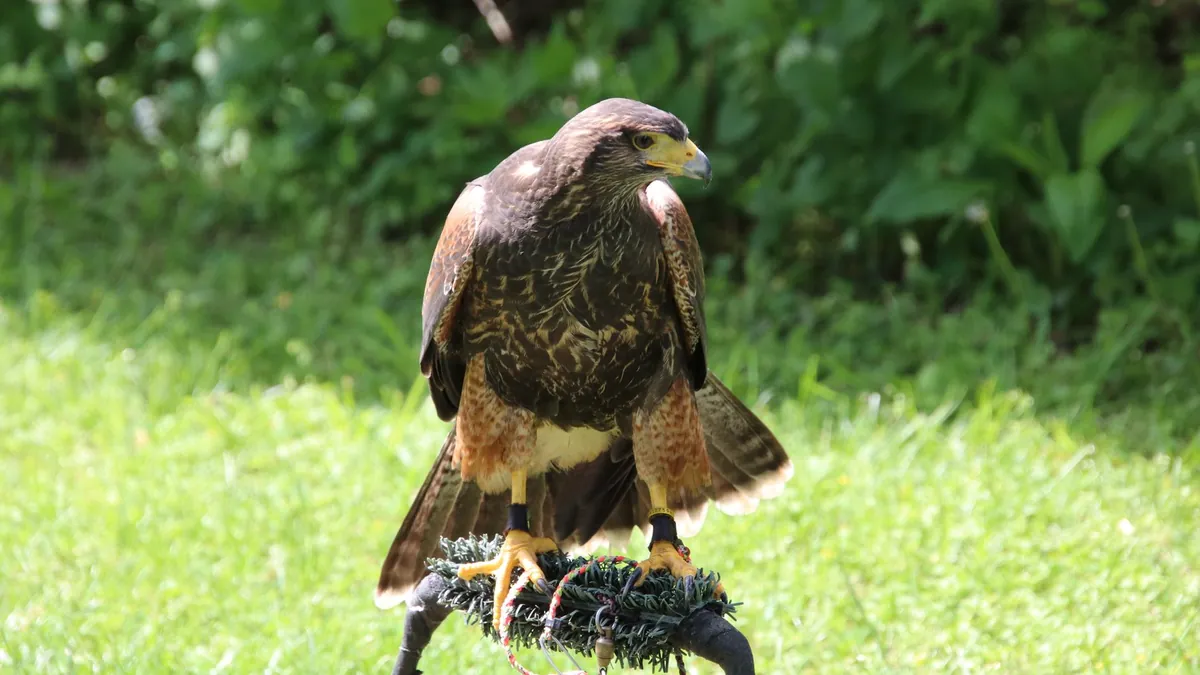
Ornithopter hawk platforms use articulated wing structures that replicate the precise flap cadence and glide ratios of real raptors, making them nearly impossible to distinguish from natural wildlife at operational altitudes. These systems are already being evaluated for persistent overwatch in mountainous border regions where conventional drones trigger immediate countermeasures. Defense contractors report loiter times exceeding 4 hours on a single charge cycle.
- Key Reality: Ornithopter designs reduce radar cross-section by up to 90% compared to fixed-wing micro-drones of equivalent payload capacity.
2. Insectoid Micro-Drone Platform Infiltrates Urban Environments Completely Undetected
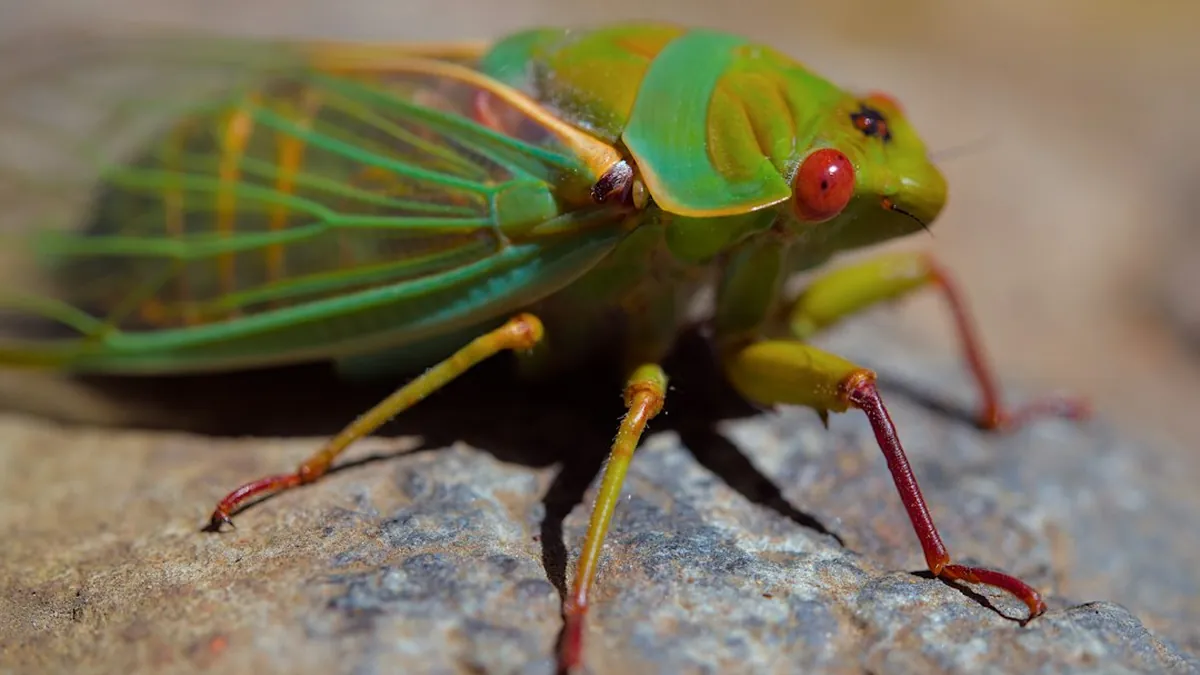
Bee-sized reconnaissance units represent the most disruptive category among modern military reconnaissance drones, capable of passing through compound perimeters through ventilation gaps, open windows, and drainage infrastructure. Equipped with HD micro-cameras and acoustic sensors, these platforms transmit live feeds to operators stationed kilometers away. Their operational ceiling sits at roughly 50 meters, keeping them well below any conventional air-defense detection threshold.
- Key Reality: Insectoid platforms weigh as little as 0.3 grams, making them undetectable by standard motion-triggered perimeter security systems.
3. Robotic Falcon System Enables Rapid Target Acquisition Across Vast Operational Zones

Modeled on the peregrine falcon’s aerodynamic profile, this high-speed platform reaches sprint velocities of 130 kilometers per hour during target acquisition passes, then transitions into a controlled loiter for sustained intelligence gathering. Its AI-assisted optics lock onto designated targets within 2.4 seconds of visual acquisition. The broader category of military drones changing border conflicts has made systems like this increasingly central to forward reconnaissance doctrine.
- Key Reality: Robotic falcon systems carry dual-band electro-optical and infrared sensors, enabling 24-hour operational capability regardless of ambient light conditions.
4. Dragonfly Reconnaissance Unit Delivers Persistent Area Monitoring With 360-Degree Sensors
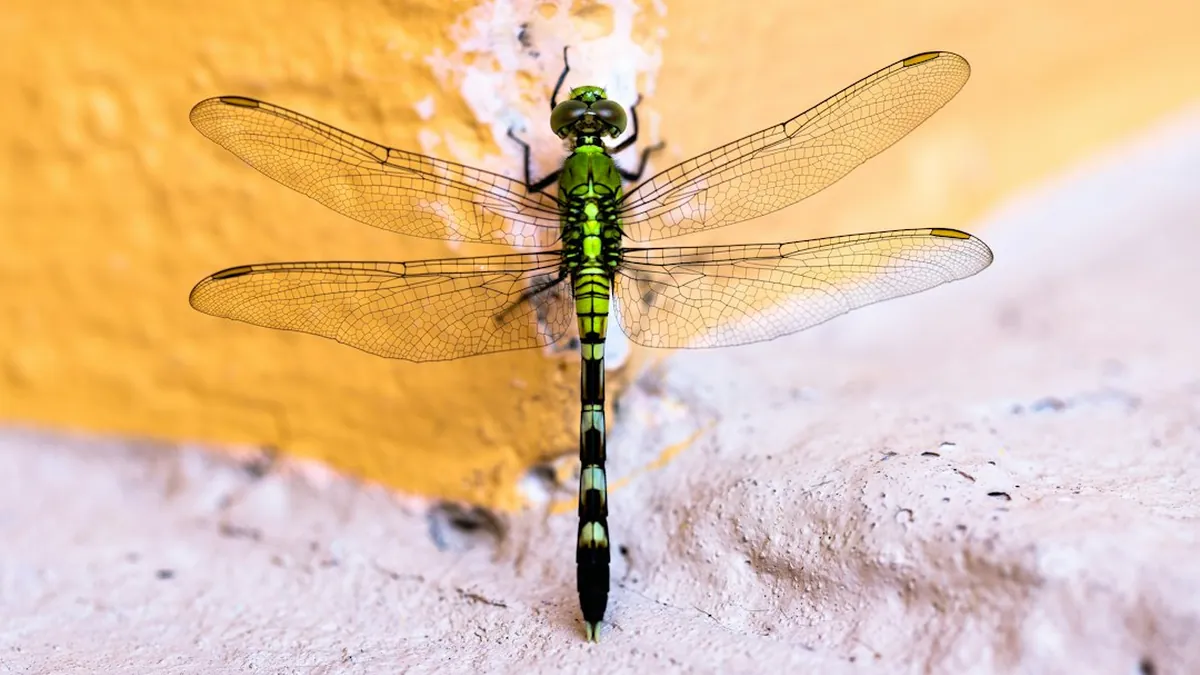
The dragonfly’s natural ability to hover, reverse, and pivot mid-flight makes it a near-perfect biological template for a persistent surveillance platform operating in confined or cluttered environments. Military engineers have replicated this with 4-wing independent drive systems that allow stationary hovering within centimeters of a fixed point for up to 12 minutes. Sensor arrays embedded in the thorax housing deliver simultaneous 360-degree coverage with sub-centimeter resolution at distances up to 8 meters.
- Key Reality: Dragonfly units operate on acoustic signatures below 18 decibels, placing them beneath the human hearing threshold in ambient outdoor environments.
5. Bat-Wing Stealth Drone Penetrates Fortified Positions During Nighttime Operations
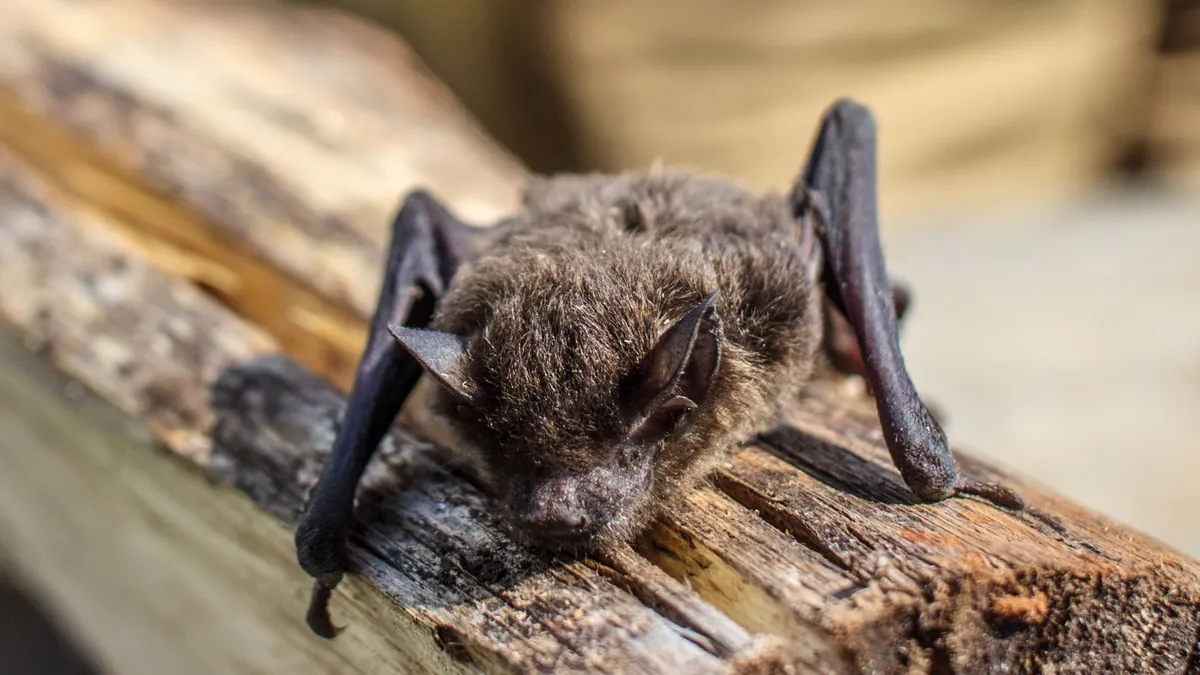
Flexible morphing wing membranes borrowed from bat anatomy allow this stealth platform to navigate tight architectural gaps and irregular terrain features that rigid-wing drones cannot physically access. Its echolocation-resistant surface coating absorbs sonar-frequency signals, neutralizing one of the few detection methods capable of identifying small low-altitude flyers at night. Programs developing platforms like this increasingly intersect with research highlighted in coverage of experimental military drones that blur the line between science fiction and operational hardware.
- Key Reality: Bat-wing drones achieve a thermal signature reduction of 78% through passive cooling channels integrated into the membrane structure itself.
6. Hummingbird Surveillance Probe Collects Close-Proximity Intelligence With Ultra-High Resolution

At roughly 12 centimeters in length and weighing under 20 grams, the hummingbird surveillance probe is engineered for intimate proximity operations where conventional drones would immediately compromise a mission. Its ultra-high-resolution optics capture 8K-equivalent imagery at distances as close as 30 centimeters, making it invaluable for document capture, facial recognition, and facility interior mapping. The platform’s wing-beat frequency of 40 cycles per second is acoustically indistinguishable from actual hummingbird species native to target regions.
- Key Reality: Hummingbird probes carry onboard edge-computing chips that process and encrypt imagery locally, eliminating detectable radio transmission during collection phases.
7. Owl-Inspired Silent Flyer Executes Undetectable Reconnaissance Through Noise Reduction Tech
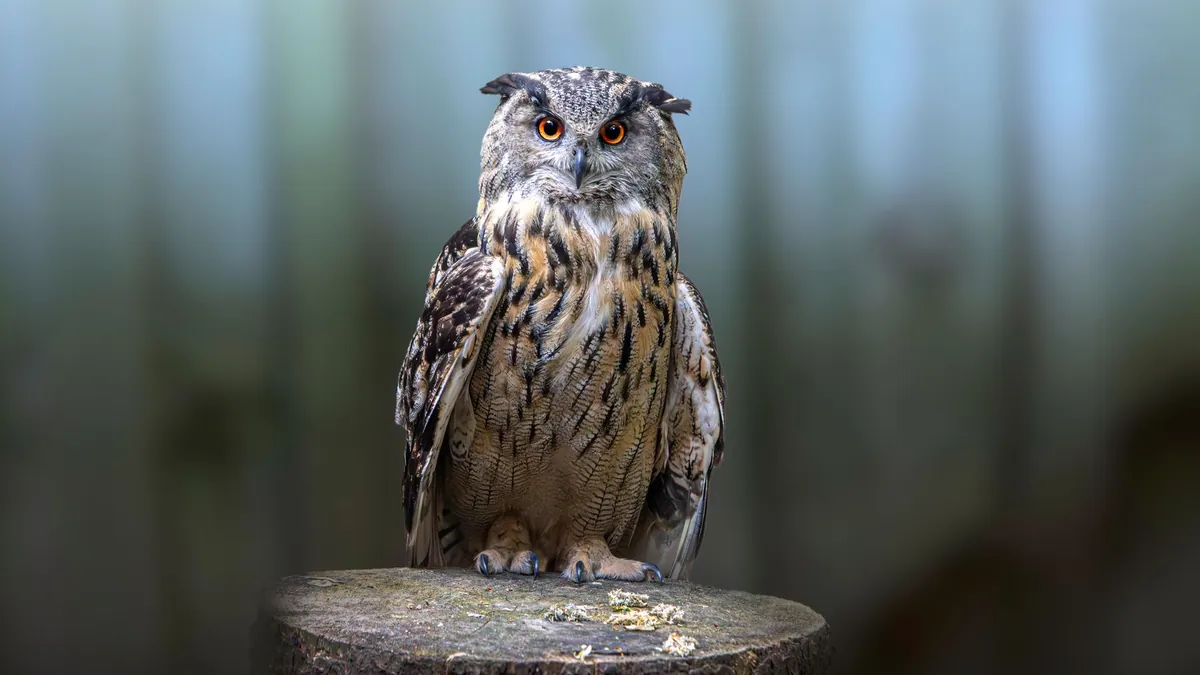
Owls achieve near-silent flight through serrated leading-edge feathers that break up turbulent airflow before it generates audible sound, and aerospace engineers have translated this into a comb-structured leading edge on fixed composite wings. The result is a glide-phase noise floor of just 21 decibels—quieter than a whispered conversation at 1 meter. Night operations are this platform’s primary use case, with thermal imaging payloads enabling full situational awareness in zero-illumination environments.
- Key Reality: Owl-inspired silent flyers achieve a maximum glide range of 14 kilometers from a single powered climb, requiring zero engine activity during the intelligence collection phase.
8. Butterfly Dispersal Network Enables Simultaneous Multi-Point Intelligence Gathering via Swarms

Swarm architecture transforms the butterfly dispersal network from a single sensor into a distributed intelligence organism, with individual units deploying from a central canister and autonomously navigating to pre-assigned grid coordinates. Each micro-drone carries animal-pattern wing camouflage printed with species-accurate coloration matched to the target region’s native butterfly population. Collectively, a 50-unit swarm can blanket a 2-square-kilometer area with overlapping sensor coverage in under 6 minutes of deployment.
- Key Reality: Butterfly swarm networks use mesh communication protocols, meaning the loss of 30% of individual units produces zero degradation in overall network data throughput.
The era of obviously mechanical military reconnaissance drones is giving way to something far more unsettling—platforms that exploit billions of years of evolutionary engineering to become invisible in plain sight. As biomimetic design accelerates alongside AI autonomy, the boundary between the natural world and the surveillance apparatus embedded within it will only continue to dissolve. Drop your thoughts on which of these platforms concerns or fascinates you most in the comments below.