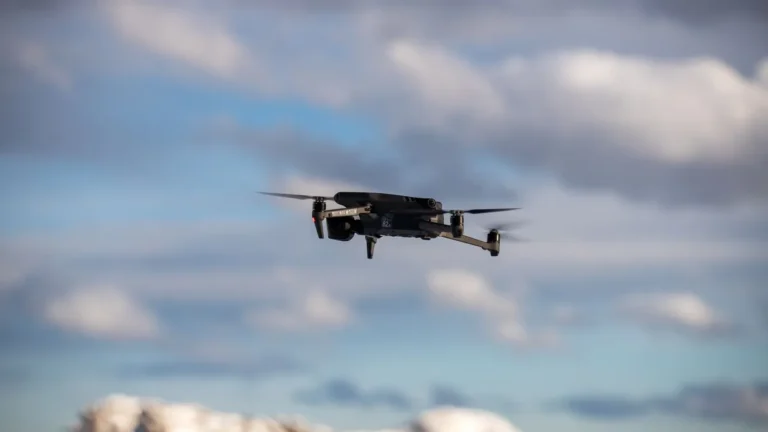
6 Reasons AI Struggles to Identify Civilians vs Combatants


Autonomous weapons are no longer a distant science-fiction scenario — they are actively deployed across conflict zones, border regions, and surveillance operations in 2026, making life-or-death decisions at machine speed. The promise driving this technology is seductive: remove human error, reduce casualties, and apply consistent rules of engagement without fatigue or emotion clouding judgment.
Yet the reality of AI civilian combatant distinction is far messier than defense contractors and military strategists typically acknowledge in public briefings. The 6 structural failures below reveal why even the most sophisticated targeting algorithms remain dangerously unequipped for the moral complexity of modern warfare.
1. Contextual Ambiguity in Civilian Clothing and Appearance
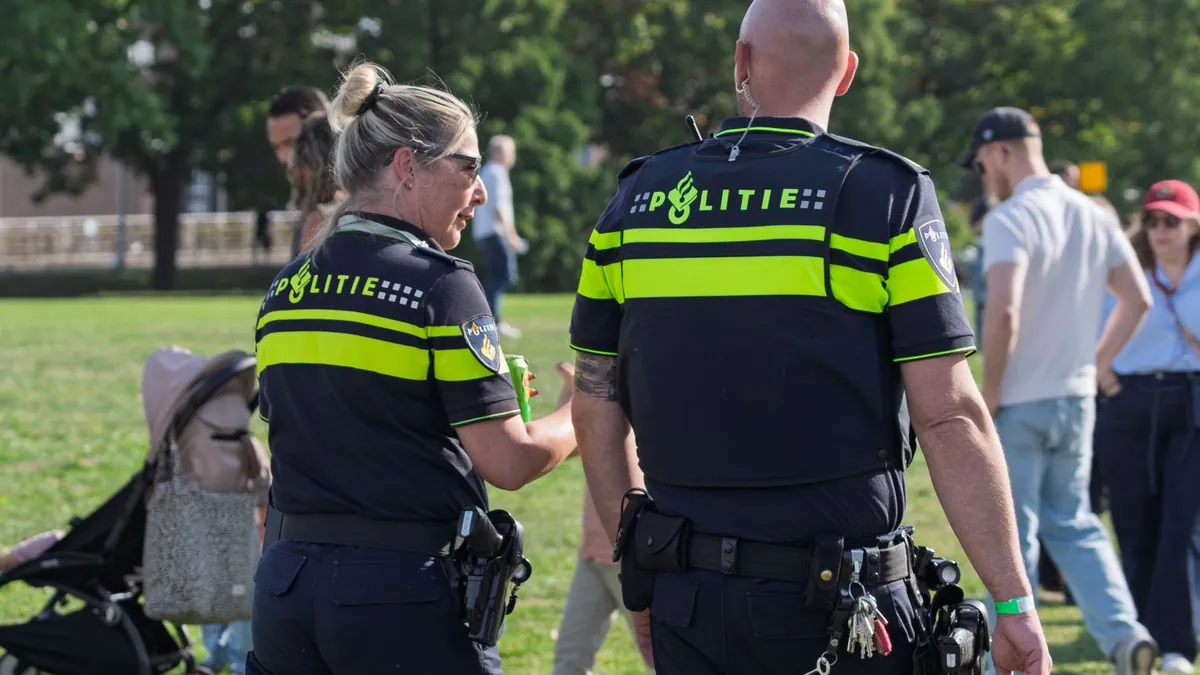
AI systems rely heavily on visual pattern recognition, but in urban conflict zones, civilians and combatants routinely wear identical clothing — making appearance alone a deeply unreliable signal. An algorithm cannot distinguish between a person carrying construction tools and 1 carrying a concealed weapon without rich supplementary context that real-time systems rarely possess. The humanitarian consequences of that gap are not abstract; they are measured in wrongful deaths.
- Key Reality: Visual misidentification errors account for a significant share of documented civilian harm incidents involving autonomous or semi-autonomous targeting systems.
2. Insufficient Training Data Representing Real-World Diversity

Machine learning models demand enormous, diverse datasets to perform reliably — but ethically sourced training data drawn from actual conflict scenarios is extraordinarily scarce. Most available datasets lack the geographic, cultural, and situational variety required to generalize across different regions and conflict types. The problem compounds when AI trained on synthetic data is deployed in environments it was never meaningfully exposed to during development.
- Key Reality: Synthetic data substitution degrades model accuracy in unpredictable ways, particularly when real-world conditions diverge sharply from simulated training environments.
3. Real-Time Processing Limitations and Latency Issues

Autonomous systems must make split-second decisions in chaotic, dynamic environments, yet current AI architectures struggle to simultaneously process video feeds, thermal imaging, and multi-sensor data without sacrificing accuracy. Computational bottlenecks force systems to act on incomplete information — and in targeting decisions, incomplete information is catastrophic. Latency measured in milliseconds can mean the difference between a lawful engagement and an unlawful strike.
- Key Reality: Processing lag under high-data-load conditions remains 1 of the most underreported technical vulnerabilities in deployed autonomous weapon systems.
4. Difficulty Interpreting Intent and Behavioral Context

AI excels at recognizing static objects and movement patterns but fundamentally cannot infer human intent, motivation, or emotional state from behavior alone. A civilian fleeing an airstrike and a combatant retreating from engagement may produce nearly identical motion signatures in sensor data. These situations demand completely different responses, yet no current system can reliably decode which scenario it is observing in real time.
- Key Reality: Behavioral misclassification is especially acute in high-density urban environments where civilian and combatant movement patterns overlap most heavily.
5. Adversarial Adaptation and Deliberate Concealment Tactics
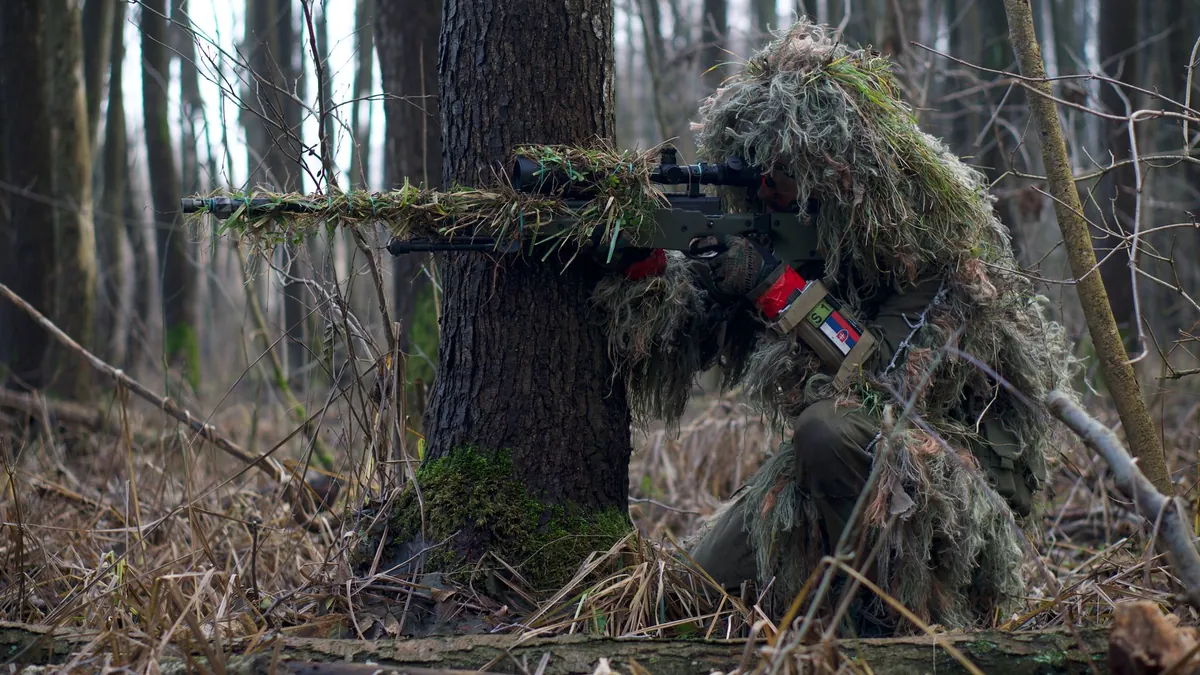
As AI targeting systems grow more capable, opposing forces actively engineer countermeasures — embedding within civilian populations, exploiting civilian infrastructure, and deliberately mimicking non-combatant behavior to confuse algorithms. This adversarial arms race means systems trained on historical engagement patterns become obsolete the moment opponents study and exploit their decision logic. The ethical target verification challenges facing autonomous combat robots escalate sharply when adversaries treat algorithmic blind spots as tactical weapons.
- Key Reality: Adversarial concealment tactics evolve faster than most AI retraining cycles, creating persistent windows of exploitable vulnerability.
6. Absence of Standardized International Legal Frameworks for AI Targeting

Different nations and organizations define civilian status differently under international humanitarian law, and no universal binding standard currently governs how AI systems must interpret those legal distinctions. This regulatory fragmentation forces developers to build systems that satisfy conflicting national requirements — producing inconsistent civilian protection outcomes depending on who deploys the technology and where. Without a unified legal architecture, the AI civilian combatant distinction problem is as much a governance crisis as it is a technical one.
- Key Reality: As of 2026, no binding international treaty specifically regulates the use of AI in lethal targeting decisions, leaving a critical legal vacuum.
The AI civilian combatant distinction challenge is not a problem that better hardware alone will solve — it sits at the intersection of machine learning limitations, international law, and the irreducible complexity of human behavior in conflict. Until all 6 of these structural failures are addressed in parallel, deploying autonomous lethal systems at scale carries humanitarian risks that no algorithm can fully mitigate. Share your perspective on where the most urgent fix needs to happen first in the comments below.