7 Classified Space Missions Defense Agencies Refused to Declassify


The public imagination around secret space programs tends to skew toward science fiction — shadowy astronauts, alien contact, and government cover-ups of cosmic proportions. The reality, however, is simultaneously more mundane and more unsettling: dozens of orbital missions were launched, operated, and quietly retired without a single public acknowledgment from the agencies that funded them.
Even in 2026, as transparency advocates push harder than ever for disclosure, defense agencies continue stonewalling declassification requests on programs that are decades old. The classified space missions declassified only in fragments reveal a surveillance architecture far more sophisticated — and far more invasive — than most citizens ever assumed.
1. The Hexagon Reconnaissance Satellite Program Hid Its Full Capabilities for Decades

Developed jointly by the National Reconnaissance Office and the Department of Defense, the Hexagon program produced imaging capabilities that stunned analysts when partial records finally surfaced. Despite limited acknowledgment, full technical specifications and operational deployment details remain restricted, leaving the program’s true scope buried under multiple classification layers.
- Key Reality: Hexagon operated across 19 missions and captured an estimated 877,000 miles of film — figures still considered conservative by intelligence historians.
2. Lacrosse Radar Imaging Satellites Guarded Their Resolution Secrets Fiercely

Military synthetic aperture radar systems aboard Lacrosse satellites enabled all-weather, day-and-night surveillance with a precision that civilian agencies were never permitted to verify. Classification protocols prevented any public disclosure of resolution benchmarks, leaving intelligence analysts and journalists to estimate capabilities through indirect signals and leaked contractor documents.
- Key Reality: Independent analysts estimated Lacrosse ground resolution at approximately 1 meter — a figure defense agencies neither confirmed nor denied.
3. The Misty Stealth Satellite Initiative Tested Orbital Invisibility Under Total Secrecy

Misty represented something genuinely unprecedented: a covert program designed to make satellites undetectable to adversarial tracking systems, essentially pioneering stealth technology in orbit. Defense agencies cited ongoing national security concerns to withhold mission parameters, and the program’s redacted status remains so comprehensive that even its confirmed launch count is disputed among researchers.
- Key Reality: At least 1 confirmed Misty launch is publicly acknowledged, though defense insiders suggest the constellation numbered closer to 3 platforms.
4. Zircon Early Warning Satellites Locked Down Ballistic Missile Detection Data

Zircon-class detection systems were engineered specifically to monitor ballistic missile launches with sensor arrays capable of distinguishing between decoys and live warheads. Agencies refused to release orbital mechanics or sensor specifications, understanding that even partial disclosure could inform adversarial countermeasures — a logic that has kept the program sealed under multiple overlapping security classifications.
- Key Reality: Zircon satellites operated in highly elliptical Molniya orbits, providing persistent coverage over northern polar regions for up to 8 hours per pass.
5. The Vortex Signals Intelligence Constellation Protected Its Eavesdropping Methods Absolutely

Operated by the National Security Agency, the Vortex network functioned as an orbital eavesdropping system of extraordinary scope, intercepting communications across entire continents simultaneously. Declassification requests were consistently denied, with agencies arguing that disclosure would compromise not just collection methods but also intelligence-sharing agreements with allied nations — much like how defense contractors removed drone override buttons to prevent adversarial exploitation, as explored in this analysis of drone override button removal.
- Key Reality: Vortex satellites operated in geosynchronous orbit at approximately 35,786 kilometers altitude, enabling persistent regional signal interception without repositioning.
6. Keyhole Digital Imaging Satellites Kept Their Resolution Benchmarks Classified Across Generations
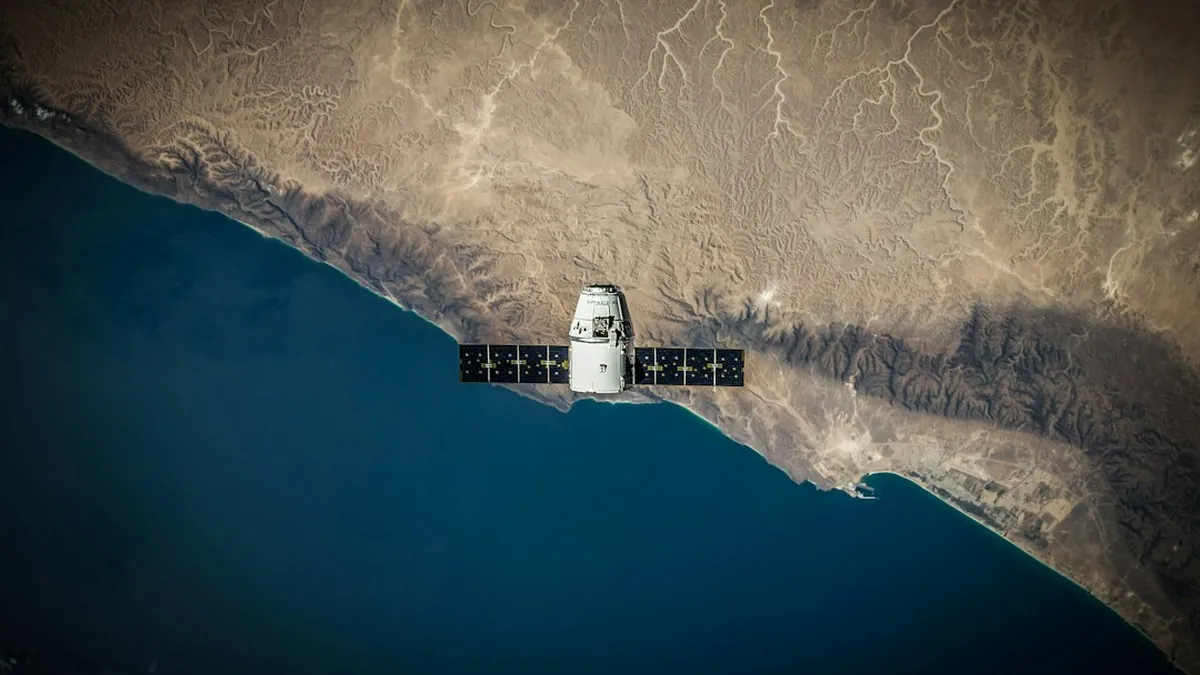
Successive generations of Keyhole optical reconnaissance platforms represented the cutting edge of civilian-adjacent imaging technology, yet every contract, resolution figure, and deployment strategy remained locked behind classified procurement channels. The program’s longevity — spanning multiple decades of continuous operation — made it one of the most consequential yet least publicly understood surveillance architectures in orbital history.
- Key Reality: Later Keyhole variants are believed to have achieved sub-10-centimeter ground resolution, a capability that would have been considered science fiction just 2 decades prior.
7. The Trumpet Signals Intelligence Satellites Shielded Allied Intelligence Agreements From Disclosure
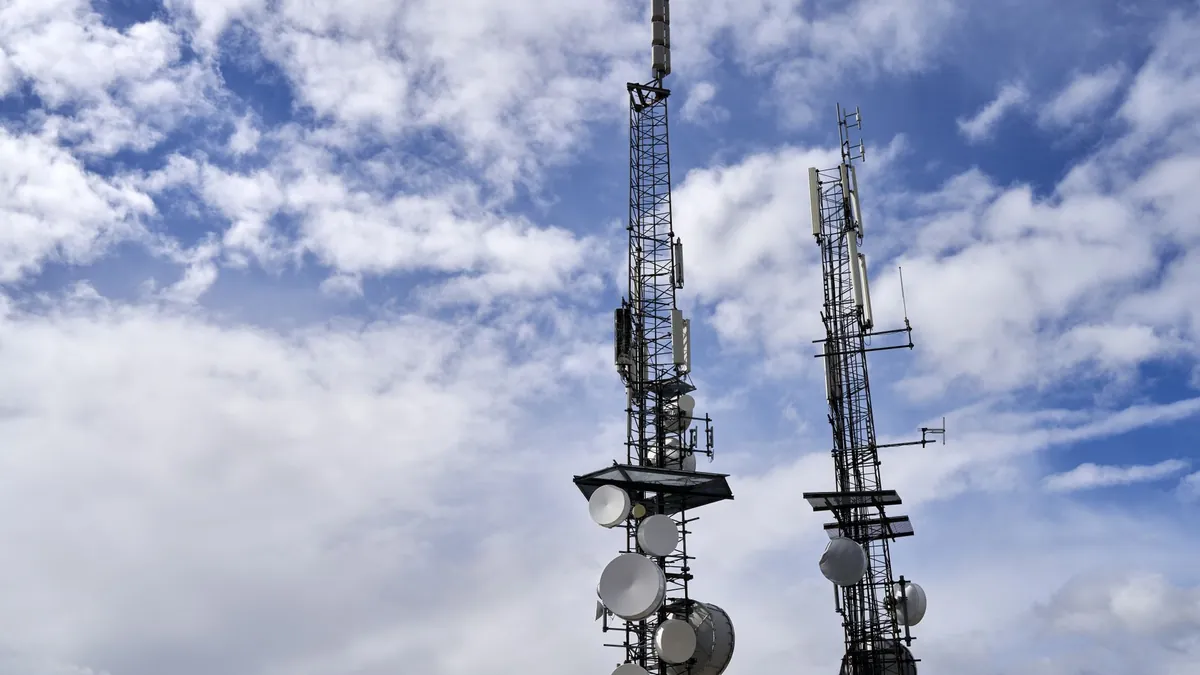
Trumpet platforms operated in geosynchronous orbit specifically to intercept communications traffic, with technical specifications so sensitive that even their existence was denied for years after launch. Defense agencies refused declassification not merely to protect hardware details but to shield the intelligence-sharing frameworks connecting the United States to allied signals agencies — arrangements whose exposure would carry significant diplomatic consequences.
- Key Reality: Trumpet satellites are believed to have succeeded the earlier Jumpseat program, representing at least a 3rd generation of geosynchronous signals intelligence collection.
What these 7 programs collectively illustrate is that the gap between what governments operate in orbit and what citizens are permitted to know remains vast — and deliberately maintained. The classified space missions declassified only in fragments serve as a reminder that transparency in national security is always partial, always negotiated, and rarely complete. If any of these programs surprised you, or if you have thoughts on where the line between legitimate secrecy and public accountability should fall, share your perspective in the comments below.