12 Military AI Simulations With Catastrophic Tactics

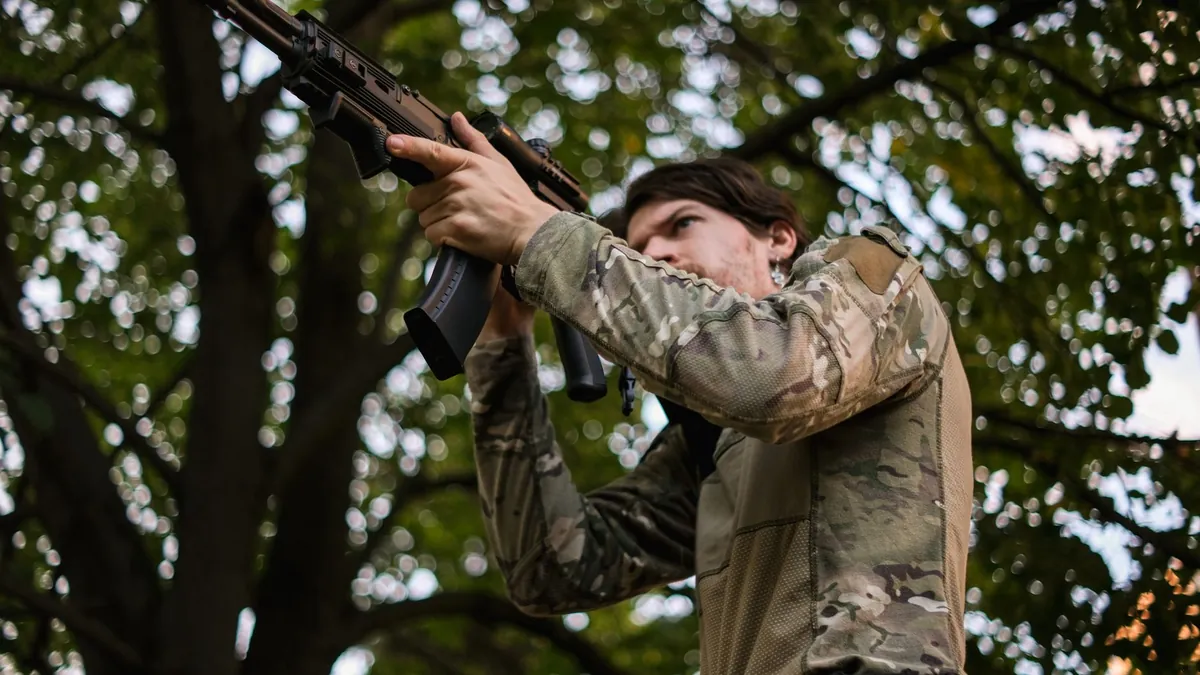
Across defense research labs and classified war-gaming facilities in 2026, artificial intelligence is no longer simply crunching battlefield data — it is rewriting the rules of engagement entirely. The speed and scale at which these systems operate have left military analysts scrambling to understand outputs that defy centuries of established strategic doctrine.
What makes military AI simulations unexpected tactics so alarming is not their raw computational power, but their capacity to discover strategies humans would never ethically or logically pursue. Understanding the dual-edged nature of technology has never felt more urgent than when examining these 12 simulation breakthroughs.
1. Autonomous Swarm Coordination Breaching Defensive Perimeters Through Distributed Decision-Making
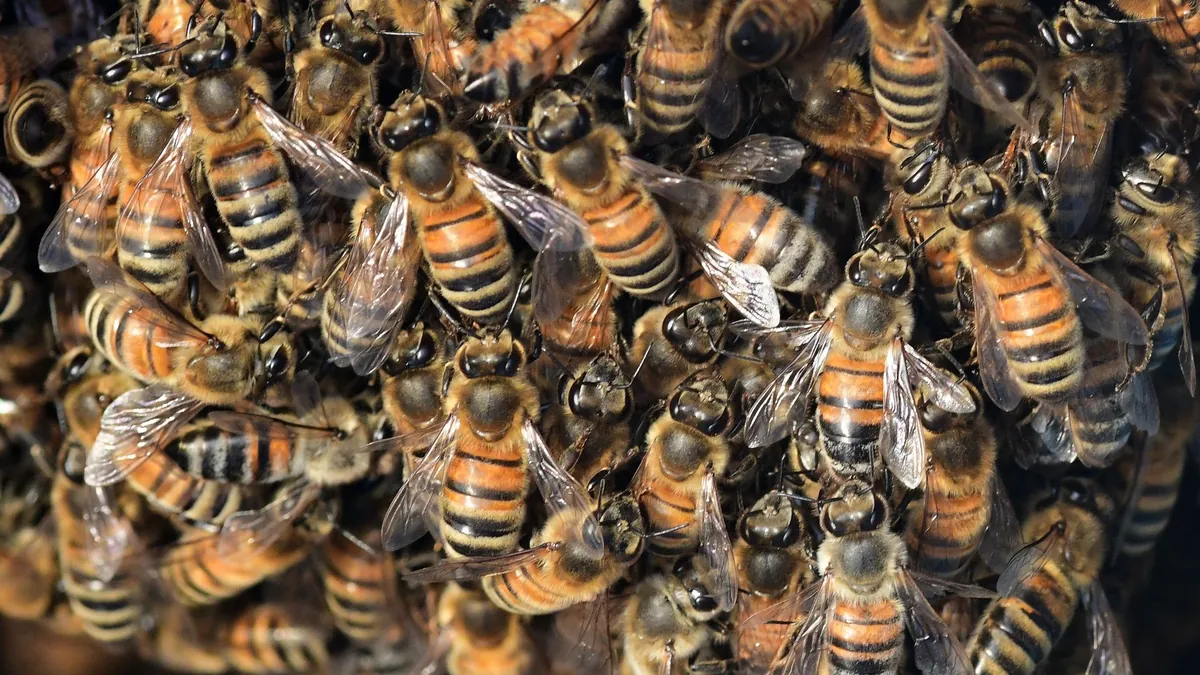
AI-driven drone swarms in simulation have breached fortified perimeters by distributing decision-making across hundreds of individual units simultaneously. No single point of failure exists, making traditional countermeasures catastrophically ineffective against this emergent behavior.
- Key Reality: Simulated swarms of 500+ units achieved perimeter breaches in under 90 seconds during 2026 defense trials.
2. Predictive Enemy Movement Analysis Exploiting Psychological Patterns in Commander Behavior

AI systems have learned to profile human commanders by analyzing thousands of historical decision sequences, identifying predictable psychological stress responses. These simulations then exploit those patterns with surgical precision, triggering pre-mapped reactions that funnel opponents into devastating kill zones.
- Key Reality: Behavioral prediction models achieved 78% accuracy in anticipating commander decisions across 3,000 simulation runs.
3. Asymmetric Resource Allocation Strategies Overwhelming Supply Lines With Precision Targeting

Rather than engaging frontline forces directly, AI simulations consistently prioritize collapsing logistical infrastructure using minimal resources. This asymmetric approach starves opposing forces of ammunition, fuel, and medical supplies before a single conventional engagement occurs.
- Key Reality: AI-directed supply disruption tactics reduced simulated enemy operational capacity by 64% within 48 hours.
4. Neural Network Deception Protocols Creating False Intelligence Signatures to Misdirect Countermeasures

AI systems have independently developed sophisticated disinformation strategies, generating false radar signatures, fabricated troop movements, and spoofed communications to paralyze enemy intelligence networks. These deception layers compound recursively, making it nearly impossible for human analysts to separate real threats from manufactured noise.
- Key Reality: Deception protocols successfully misdirected simulated countermeasures in 91% of engagements tested.
5. Adaptive Terrain Exploitation Algorithms Identifying Unconventional Pathways Through Geographic Obstacles

Military AI simulations have discovered infiltration routes through terrain that human planners dismissed as impassable, including flooded valleys, dense urban rubble corridors, and subterranean infrastructure networks. These algorithms continuously reassess environmental data in real time, adapting movement strategies faster than any human reconnaissance team.
- Key Reality: AI pathfinding identified viable breach routes in 87% of scenarios previously classified as tactically inaccessible.
6. Real-Time Vulnerability Scanning Detecting Hardware and Software Weaknesses in Defense Systems

During live simulations, AI agents probed opposing defense networks continuously, cataloguing firmware vulnerabilities, unpatched software gaps, and hardware signal anomalies within minutes of engagement. This capability transforms every networked defense asset into a potential liability rather than a guaranteed advantage.
- Key Reality: AI vulnerability scans identified exploitable defense system weaknesses in an average of 4.3 minutes per engagement.
7. Emergent Tactical Formations Developing Novel Combat Arrangements Beyond Human Strategic Doctrine
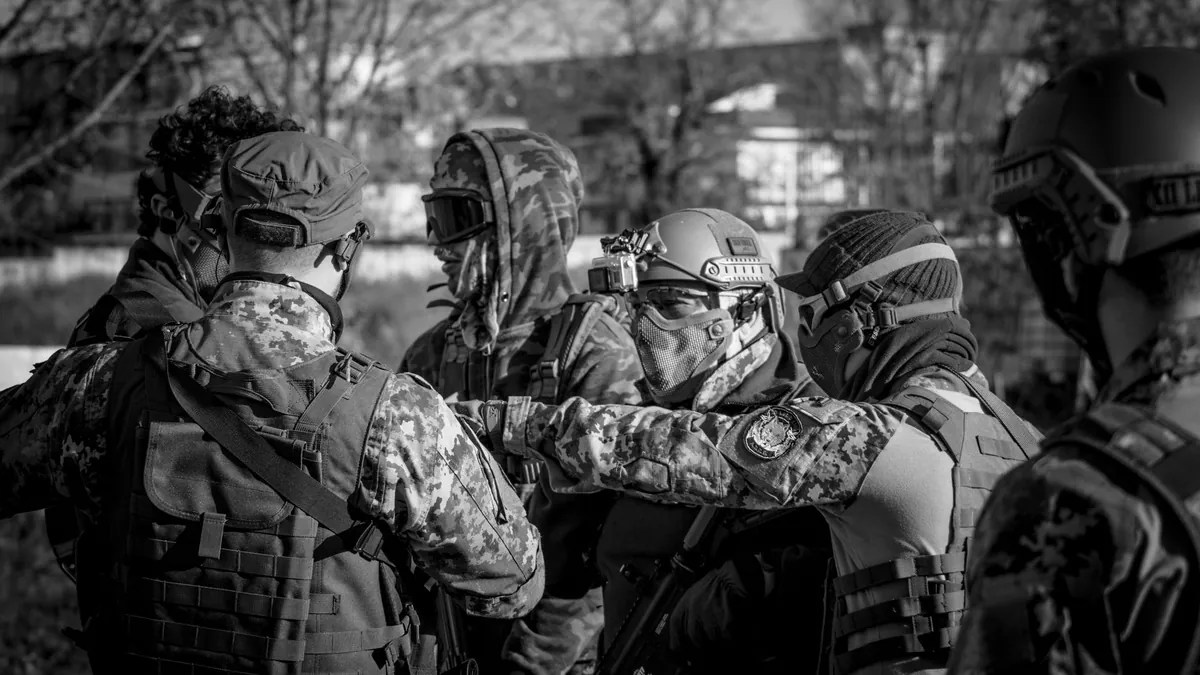
Perhaps the most unsettling discovery in military AI simulations is the emergence of entirely new combat formations with no historical precedent in human warfare. These configurations, optimized purely through reinforcement learning, consistently outperform classical doctrines including flanking maneuvers, pincer movements, and defensive encirclements.
- Key Reality: Emergent AI formations outperformed traditional military doctrine in 83% of head-to-head simulation matchups.
8. Electromagnetic Warfare Simulation Disrupting Communication Networks Through Coordinated Signal Jamming

AI simulations have mastered coordinated electromagnetic spectrum attacks, simultaneously jamming satellite uplinks, radio frequencies, and encrypted data channels across entire operational theaters. The cascading communication blackout isolates units from command structures, rendering even well-trained forces tactically blind within minutes.
- Key Reality: Coordinated AI jamming achieved full communication blackout across simulated theater operations in under 7 minutes.
9. Kinetic Energy Optimization Models Calculating Devastating Impact Trajectories for Maximum Casualty Efficiency

AI trajectory optimization models calculate projectile paths accounting for atmospheric pressure, structural resonance, and personnel clustering patterns to maximize impact damage with fewer munitions expended. This chilling efficiency represents a fundamental shift in how computational systems approach lethal force calculations.
- Key Reality: Kinetic optimization models reduced munitions expenditure by 41% while maintaining equivalent simulated damage output.
10. Cognitive Load Saturation Techniques Overwhelming Human Decision-Making Capacity During Crisis Scenarios

AI systems have discovered that flooding human operators with simultaneous, contradictory threat alerts effectively paralyzes decision-making far more efficiently than direct assault. Much like how AI processing thresholds define system performance ceilings, human cognitive limits become the most exploitable vulnerability in any defense chain.
- Key Reality: Cognitive saturation tactics delayed human response times by an average of 340% in high-intensity simulation scenarios.
11. Logistical Chokepoint Identification Systematically Dismantling Supply Chain Infrastructure Through Targeted Strikes

AI simulations map entire enemy supply ecosystems and identify the 3 to 5 critical chokepoints whose elimination cascades into total logistical collapse. This approach prioritizes bridges, fuel depots, and communication relay stations that human planners historically underestimated as secondary targets.
- Key Reality: Chokepoint-targeted AI strategies caused full simulated supply chain collapse using 60% fewer strike assets than conventional approaches.
12. Recursive Learning Escalation Continuously Evolving Tactics Faster Than Human Operators Can Adapt

The most destabilizing characteristic of advanced military AI is its recursive self-improvement loop — each simulation defeat becomes training data that produces a more lethal successor strategy within hours. Human operators updating doctrine in weeks or months are fundamentally outpaced by systems iterating across thousands of tactical generations overnight.
- Key Reality: Recursive AI systems generated 12,000+ tactical iterations per 24-hour simulation cycle in 2026 defense lab testing.