
Trump Administration Sends Start-Stop Systems to the History Books Along with Ecology Concerns

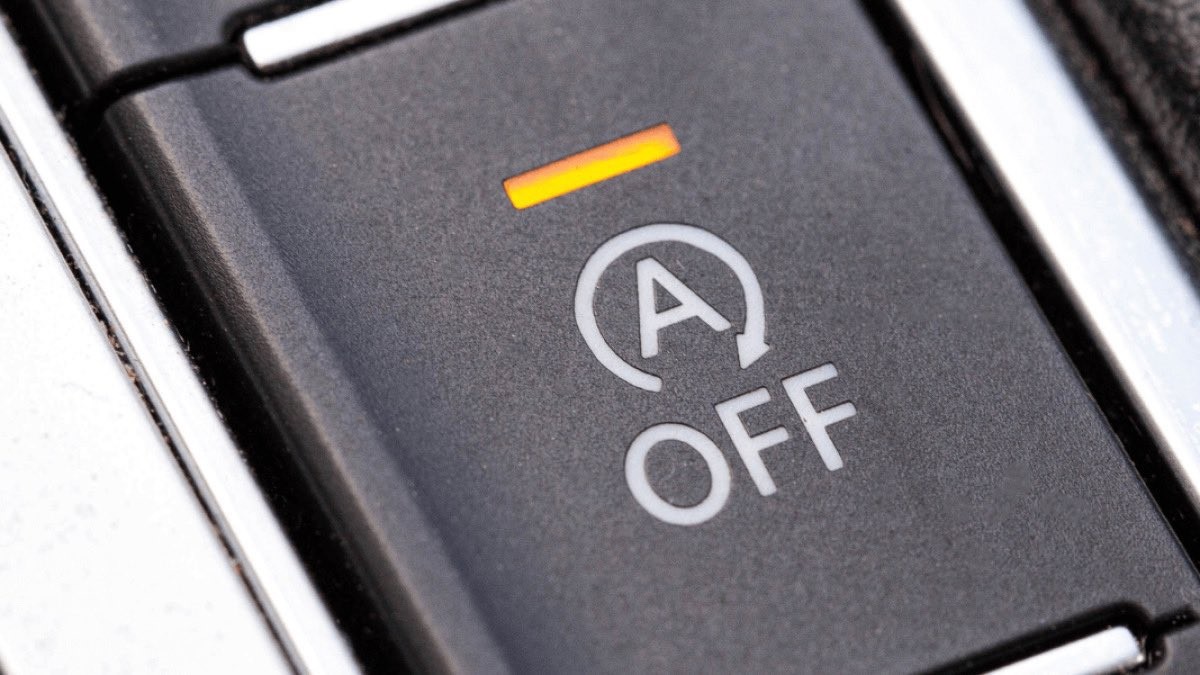
The Trump administration recently made a bold move by rolling back a wide range of environmental regulations tied to the automotive industry. On February 12, 2026, EPA Director Lee Zeldin announced the repeal of key Obama-era rules, including the 2009 endangerment finding on greenhouse gases. This decision wipes out all federal emission standards for vehicles from 2012 through 2027 and beyond. It also eliminates the off-cycle credit system that encouraged technologies like start-stop features in cars.
Start-stop systems automatically shut off the engine when a vehicle stops, such as at traffic lights, and restart it when the driver is ready to move. These features became common because they helped manufacturers earn credits to meet strict fuel efficiency and emission goals on paper. However, many drivers found them annoying and worried about extra wear on engines and batteries. The administration argues that these technologies offered little real-world benefit for reducing pollution while frustrating consumers.
Lee Zeldin highlighted the change as the largest deregulatory action in U.S. history. He shared on social media that the repeal targets the much-despised elements forced by previous rules. President Donald Trump directed this shift to prioritize freedom and choice for Americans. The EPA received numerous complaints from people tired of these imposed features.
Transportation Secretary Sean Duffy supported the decision, pointing out that start-stop had become standard in about 60 percent of new vehicles despite widespread dislike. He believes removing these mandates will make cars more affordable and boost domestic manufacturing. Companies can now focus on what customers actually want instead of chasing regulatory points. This approach aims to restore flexibility for automakers planning future models.
The new rules also end requirements for measuring, reporting, and certifying greenhouse gas emissions from vehicles. Officials claim past regulations illegally pushed toward electric vehicles and drove up prices unnecessarily. By scrapping these credits, the government expects to save Americans more than 1.3 trillion dollars over time. It shifts the focus back to consumer preferences and economic mobility.
Critics might worry about the environmental impact, as the move downplays stricter pollution controls. Supporters see it as a win for practicality, arguing that unproven technologies should not be mandatory. Drivers who have long disliked the sudden engine shutoffs may celebrate this change. Overall, it marks a significant pivot away from the previous administration’s emphasis on off-cycle innovations.
This deregulation could reshape how carmakers design vehicles in the coming years. Features once pushed for compliance might fade if they do not align with buyer demand. It opens the door for more traditional options that prioritize reliability and user satisfaction. The long-term effects on air quality and fuel use remain a topic of debate among experts.
Many people have strong opinions about start-stop technology from their daily driving experiences. Some appreciate any potential savings at the pump, while others view it as an unwelcome intrusion. With this policy shift, the conversation about balancing innovation, ecology, and convenience continues. Automakers now have room to innovate based on real feedback rather than mandates.
What do you think about the end of mandatory start-stop systems and this major rollback, share your thoughts in the comments.