LG Unveils New Generation of Large Screens for Stores and Shopping Centers

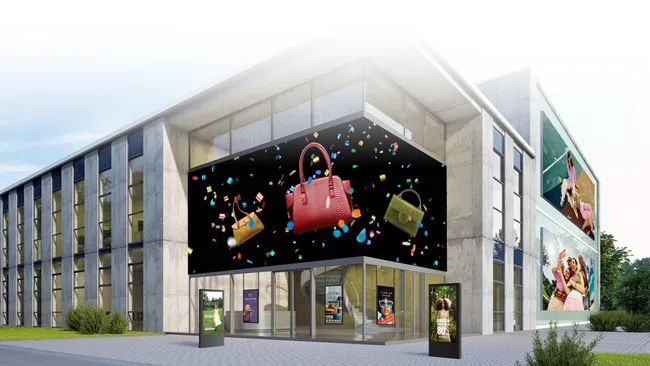
LG Electronics has officially presented the future of commercial display technology at the Integrated Systems Europe 2026 event. The company revealed a comprehensive lineup of screens designed specifically for the retail sector and large shopping centers. This new generation of displays marks a significant shift from using standalone monitors to implementing fully integrated digital ecosystems. Retailers are now looking for unified systems that can manage content across hundreds of locations simultaneously.
The exhibition space in Barcelona covered an impressive area of approximately 12,745 square feet. LG decided against a traditional layout of rows of technical equipment and instead built realistic retail environments. Visitors were able to walk through simulated stores that looked and functioned like actual shops. This immersive approach allowed business owners to visualize how the technology would appear in their own supermarkets or luxury boutiques.
A major highlight of the showcase was the LG MAGNIT Micro LED display which offers superior brightness and contrast for high-end retail applications. The company also introduced advanced E-Paper solutions intended to replace traditional printed posters and price tags. These low-power devices help stores reduce their carbon footprint while allowing for instant price updates. All these hardware components connect seamlessly through the LG Business Cloud platform.
This cloud-based management system serves as the brain behind the visual operation. It allows facility managers to control digital signage across multiple properties from a single laptop. The software provides real-time data on energy consumption and sends predictive alerts if a piece of hardware requires maintenance. Store operators can now fix potential issues before they disrupt the shopping experience for customers.
LG partnered with several prominent brands to demonstrate these capabilities in a real-world setting. The booth featured fully operational zones that mimicked the atmosphere of a bakery and a cosmetics store. These mockups utilized transparent OLED screens that can display information while letting customers see the physical products behind the glass. This technology creates a futuristic shopping layer that merges physical inventory with digital advertising.
Industry experts believe that these innovations will become the standard for public spaces in the coming years. The move toward centralized control means that a shopping mall can update advertisements on every floor with the click of a button. Large chains will benefit from the ability to analyze customer engagement data collected directly by the display infrastructure. The gap between online convenience and physical retail continues to close with these advancements.
Tell us what you think about the digitalization of physical stores in the comments.