Xbox Shifts Focus As Hardware Sales Trail Competitors

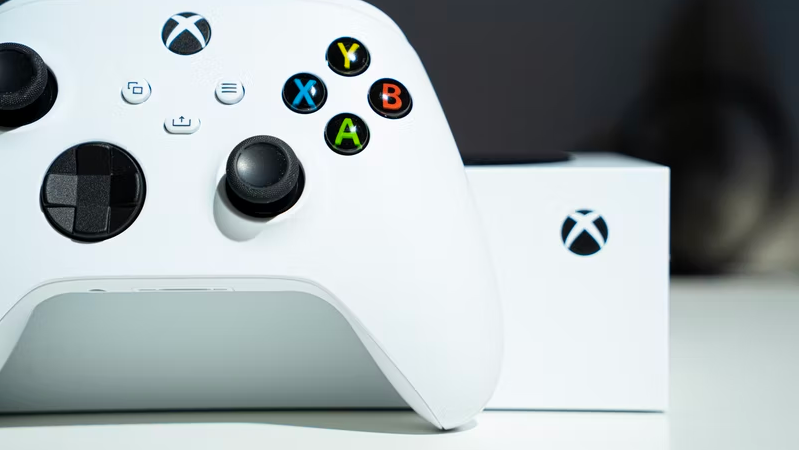
Microsoft is fundamentally changing how it approaches the gaming market as traditional console sales figures show a widening gap with its primary competitors. The company appears to be moving away from the hardware-centric battles that defined previous generations. This pivot comes as recent data suggests the Xbox platform is losing significant ground to both Sony and Nintendo in terms of physical unit sales. Executives are now emphasizing a broader ecosystem that prioritizes software accessibility over selling a specific plastic box.
The sales numbers for the last year paint a difficult picture for the Xbox Series X and Series S hardware. Industry estimates place Xbox sales at approximately 1.7 million units for the entire year of 2025. This figure falls drastically behind the competition, including the newly released Nintendo Switch 2 which moved over 10 million units since its June launch. Even the PlayStation 5 has maintained strong momentum with roughly 9.2 million units sold in the same period. Perhaps most surprisingly, the original Nintendo Switch model from 2017 managed to outsell Microsoft’s current generation consoles by a significant margin.
Phil Spencer, the CEO of Microsoft Gaming, has been vocal about this change in tactical direction. He has stated that the company is no longer interested in trying to outperform Sony or Nintendo in traditional console volume. Spencer believes that the previous strategy of fighting for hardware dominance is outdated in a world where gamers want to play across multiple devices. The goal has shifted toward an open system where players can access their libraries anywhere. This philosophy aligns with the company’s push to bring former exclusives like ‘Halo’ or ‘Gears of War’ to a wider audience.
Microsoft CEO Satya Nadella has also weighed in on the evolving identity of the Xbox brand. Nadella recently suggested that the distinction between a console and a personal computer is becoming increasingly blurred. He noted that the company originally built consoles to create a specialized gaming PC for the living room. Future iterations of Xbox hardware may function more like open PCs that allow users to jump seamlessly between cloud gaming and local play. This vision supports the idea of an ecosystem that exists everywhere rather than being tethered to a single device under a television.
The financial data supports this heavy investment in services like Game Pass over hardware hardware revenue. Game Pass has reportedly grown to 34 million subscribers and generates nearly $5 billion in annual revenue. Cloud gaming usage has also seen a massive spike of 45 percent as more users stream titles to smart TVs and mobile devices. Industry analyst Michael Pachter observes that Microsoft is effectively splitting its audience into two groups. One group consists of traditional hardware buyers, while the much larger group includes anyone with an internet connection.
This transition marks a potential end to the console wars as consumers have known them for decades. Microsoft seems content to let rivals claim the hardware crown while it builds the Netflix of gaming. The strategy relies on the belief that the future of the industry lies in subscriptions and software sales rather than installed bases of proprietary boxes. It remains to be seen if this bet will pay off in the long term against competitors who still prioritize exclusive hardware experiences.
We want to hear your opinion on whether Microsoft is making the right move by abandoning the traditional console race to focus on software and services, so let us know what you think in the comments.