Apple Delays Vision Pro 2 Launch to Late 2026 as M5 Chip Integration Falters

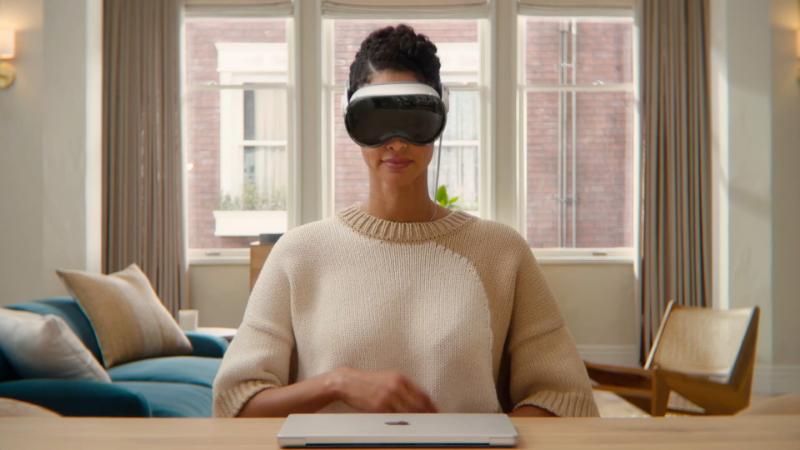
Apple has postponed the second-generation Vision Pro headset from an internal target of mid-2026 to December 2026 at the earliest, according to supply chain sources cited by The Information on November 30. The primary setback stems from difficulties integrating a custom M5-based processor capable of driving dual 2.1-inch micro-OLED displays at 4K-per-eye resolution while maintaining the 350-gram weight ceiling. Yield rates on the M5 Vision co-processor currently sit below 20% at TSMC’s N3E node, forcing Apple to fall back on an enhanced M4 variant for the interim high-end SKU. This marks the second major delay for the Vision lineup after the original device shipped 17 months behind schedule.
The revised roadmap splits the next release into two tiers. A premium Vision Pro successor, internally codenamed N1472, retains the curved glass exterior and EyeSight display but upgrades to Sony’s 1.4-inch 4K micro-OLED panels supplied at $450 each, up from $350 for the current 1.3-inch parts. The M5-derived chip targets 45 TOPS of neural processing for on-device spatial computing, a 50% increase over the M2+R1 combination in the existing model. Battery life remains constrained to 2.5 hours of video playback, with Apple rejecting external pack designs that would push total weight above 400 grams. Mass production now begins in September 2026 at Luxshare and Lens Technology facilities in China.
A lower-cost variant, codenamed N1473 and priced near $1,500, launches simultaneously using an A18-class chip borrowed from the iPhone 18 series and cheaper LCD-based waveguides from Goertek. Resolution drops to 2.5K per eye, eliminating EyeSight and reducing sensor count from twelve to eight cameras and LIDAR units. Apple aims for 1.5 million combined units in calendar 2027, compared to fewer than 500,000 first-generation Vision Pro units sold since February 2024. Foxconn has already cut monthly assembly lines from 120,000 to under 30,000 units due to weak demand for the $3,499 original.
Meta’s Quest 3S, released in October 2025 at $299, has captured 78% of U.S. XR headset sales according to Circana data, pressuring Apple to accelerate the budget model. Internal projections show Vision Pro achieving profitability only in Q4 2026 under the new timeline, with per-unit costs falling from $1,600 to $1,100 through panel price cuts and chip reuse. Apple continues to invest $1 billion annually in micro-OLED development with Samsung Display and LG Display, securing capacity for 4 million panels yearly starting 2027.
Software momentum lags hardware delays. visionOS 3.0, demonstrated at WWDC 2025, adds native spatial video capture at 8K 60 fps and passthrough latency under 12 milliseconds, but third-party app count remains below 2,500 titles. Disney, Walmart, and Zoom represent the bulk of enterprise deployments, with fewer than 5,000 corporate units shipped. Apple has quietly scaled back its 150-person Los Angeles content studio opened in 2024, reassigning staff to Apple TV+ immersive projects.
The delay underscores persistent challenges in miniaturizing high-performance silicon for head-mounted devices. TSMC’s 3 nm family yields for large multi-die packages remain 15 percentage points below smartphone-class chips, driving Apple to split the M5 Vision into separate logic and memory dies bridged by an interposer. Analysts from Ming-Chi Kuo now forecast fewer than 300,000 premium Vision Pro 2 units in 2027, with the affordable model carrying the volume burden. Apple reportedly views 2027 as the make-or-break year for establishing spatial computing as the successor to the iPad paradigm.