Think You’re Charging Your Phone Correctly? These 5 Habits Could Be Shortening Your Battery’s Life

Many people believe they are taking good care of their smartphone battery, but certain everyday habits might actually be shortening its lifespan. Modern lithium-ion batteries in phones degrade gradually from chemical stress rather than sudden failure. Avoiding extremes in charge levels and temperature makes a big difference in how long your battery stays healthy. Features like adaptive charging on recent devices help by holding the charge at around 80 percent until you need the full capacity.
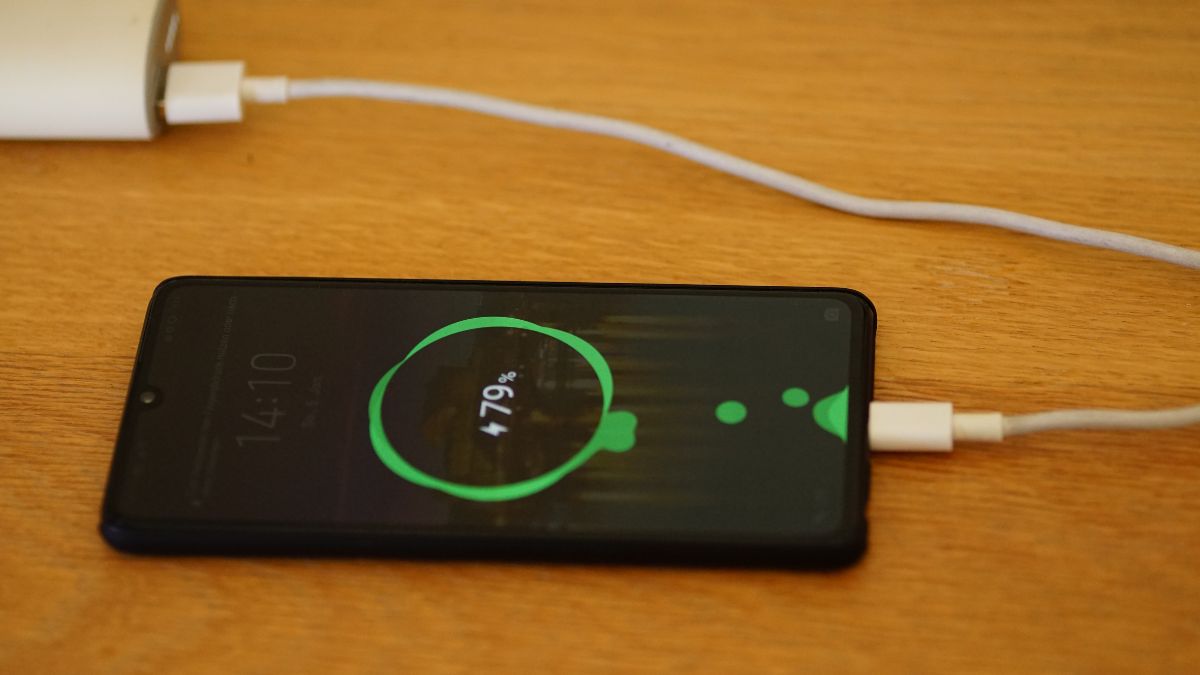
One common mistake involves always charging your phone to 100 percent and leaving it plugged in overnight. While built-in safeguards prevent true overcharging, keeping the battery at full voltage for extended periods creates stress that wears down capacity faster. Aim to keep levels between 20 and 80 percent most of the time for less strain on the cells. Many phones now include options such as Optimized Battery Charging on iPhones or similar Battery Protect features on Android devices that automatically manage this process.
Heat stands out as one of the biggest threats to battery health. Exposing your phone to temperatures above 95 degrees Fahrenheit speeds up chemical reactions inside the battery, leading to permanent capacity loss. Leaving it in a hot car, on a sunny dashboard, or charging in a warm environment can cause noticeable damage over time. Research indicates that prolonged exposure to high heat, such as around 140 degrees Fahrenheit, might reduce capacity by up to 35 percent in just a few months. Keep your device in cooler spots, ideally between 60 and 72 degrees Fahrenheit, and avoid using it in direct sunlight.
Another habit that harms batteries is using the phone heavily while it charges. Running demanding apps like games, video streaming, or GPS navigation generates extra heat from the processor at the same time as the charging process. This combination creates a parasitic load that slows charging and stresses both the battery and other components. It is better to let the phone charge quietly without active use, then tackle intensive tasks afterward when it is ready.
Using cheap or uncertified chargers and cables poses real risks as well. These often lack proper voltage regulation and safety features, which can lead to fluctuations, overheating, or even short circuits that damage the battery. Stick to certified options from reputable brands that carry marks like UL or CE to ensure stable and safe power delivery. Investing in quality accessories protects your device in the long run.
Finally, neglecting software updates and letting storage fill up completely adds unnecessary strain. Updates frequently include improvements to power management and efficiency, while a nearly full drive forces the system to work harder with background processes and temporary files. Regularly clear out unused apps, cache, and old files to keep everything running smoothly. Simple maintenance like this helps the battery last longer without extra effort.
What charging habits have you noticed affecting your phone’s battery the most, and share your thoughts in the comments.