
The Revenue from D2D Services Will Approach 12 Billion Dollars by 2030

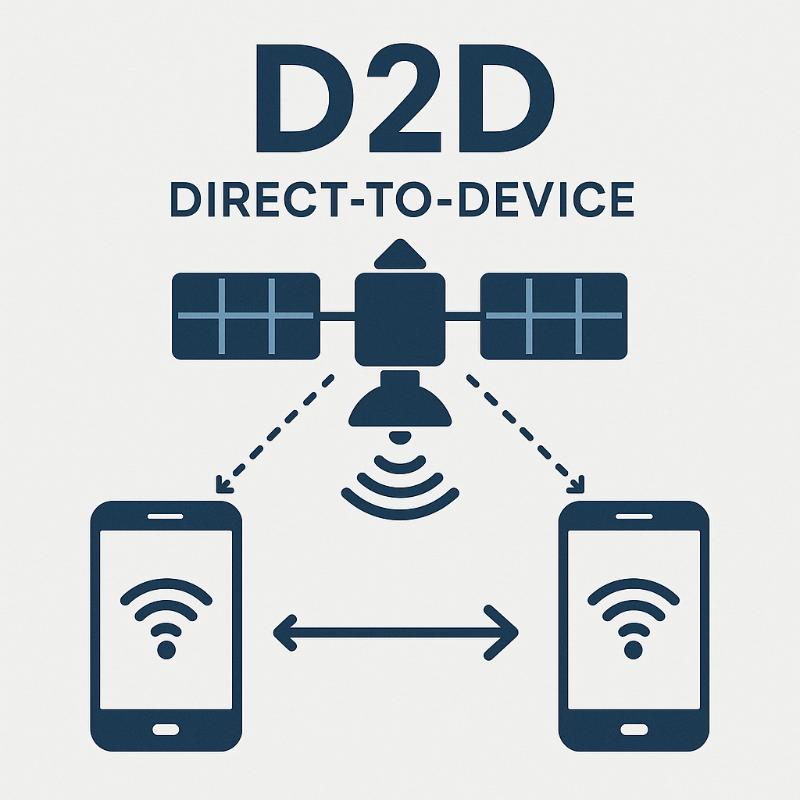
Analysts predict that satellite direct-to-device services are set for explosive growth in the coming years. These services allow everyday smartphones to connect straight to satellites without needing extra hardware or traditional cell towers. Research from Omdia shows that by the end of the decade global monthly active users could hit around 411 million. Revenue is expected to climb close to 12 billion dollars specifically 11.99 billion dollars by 2030. This surge highlights how satellite technology is bridging connectivity gaps in remote spots and disaster areas.
Direct-to-device or D2D focuses on using standard 4G and 5G smartphones for satellite links. Standard mobile devices are projected to dominate making up more than 95 percent of those monthly active users by 2030. The convenience of no special equipment required drives this preference over dedicated satellite phones. Partnerships between mobile operators and satellite companies are accelerating rollout and making the service more accessible worldwide.
Growth rates tell an impressive story for both users and revenue. From 2026 through 2030 the number of users is forecasted to expand at an average annual rate of 80.1 percent. Revenue growth during the same period sits at 49.4 percent compounded annually. These figures reflect rapid adoption fueled by improving satellite constellations and better integration with existing mobile networks. As more phones gain built-in satellite capabilities the market expands quickly.
Looking further ahead the arrival of 6G will play a big role in enhancing D2D. The first 6G standard is expected around 2029 and it promises native support for non-terrestrial networks. This deeper blend of ground-based and satellite systems could supercharge D2D services throughout the 2030s. Users in underserved regions stand to benefit most from reliable voice text and data even without nearby towers.
The push for universal connectivity remains a core driver behind this momentum. Rural communities industries like agriculture and mining plus emergency responders all need dependable links beyond terrestrial reach. Advances in standards from bodies like 3GPP help ensure smooth interoperability between phones satellites and networks. Public-private collaborations continue to speed up commercialization and lower barriers to entry.
While current D2D offerings often start as premium add-ons or bundled features the long-term outlook points to mainstream integration. Smartphone makers are embedding the necessary chips and operators are testing real-world performance. The combination creates a foundation for sustained expansion well beyond 2030. Satellite D2D is evolving from a niche solution into a fundamental part of global mobile connectivity.
What are your thoughts on how direct-to-device satellite services might change everyday phone use in the coming years? Share them in the comments.