The First Gigabit Laser Link Between an Aircraft and a Geostationary Satellite Has Been Achieved


A groundbreaking demonstration has shown that laser communications can deliver high-speed data between a moving aircraft and a satellite far above Earth. The European Space Agency teamed up with Airbus Defence and Space, the Netherlands Organisation for Applied Scientific Research known as TNO, and German specialist TESAT to make this happen. During test flights over Nîmes in southern France, Airbus’s UltraAir laser terminal locked onto the Alphasat TDP-1 satellite orbiting 36,000 kilometers away. The connection stayed stable and error-free for several minutes while transmitting data at 2.6 gigabits per second.
This speed means an HD movie could download in just a few seconds, far surpassing traditional radio-based satellite links. The UltraAir system handled the challenges of a fast-moving plane, vibrations, and atmospheric effects like clouds that usually disrupt signals. Laser technology uses tightly focused beams instead of spreading radio waves, which makes it much harder to intercept and allows for greater data capacity. With radio frequencies becoming crowded and satellites multiplying in orbit, optical links offer a cleaner and more secure path forward.
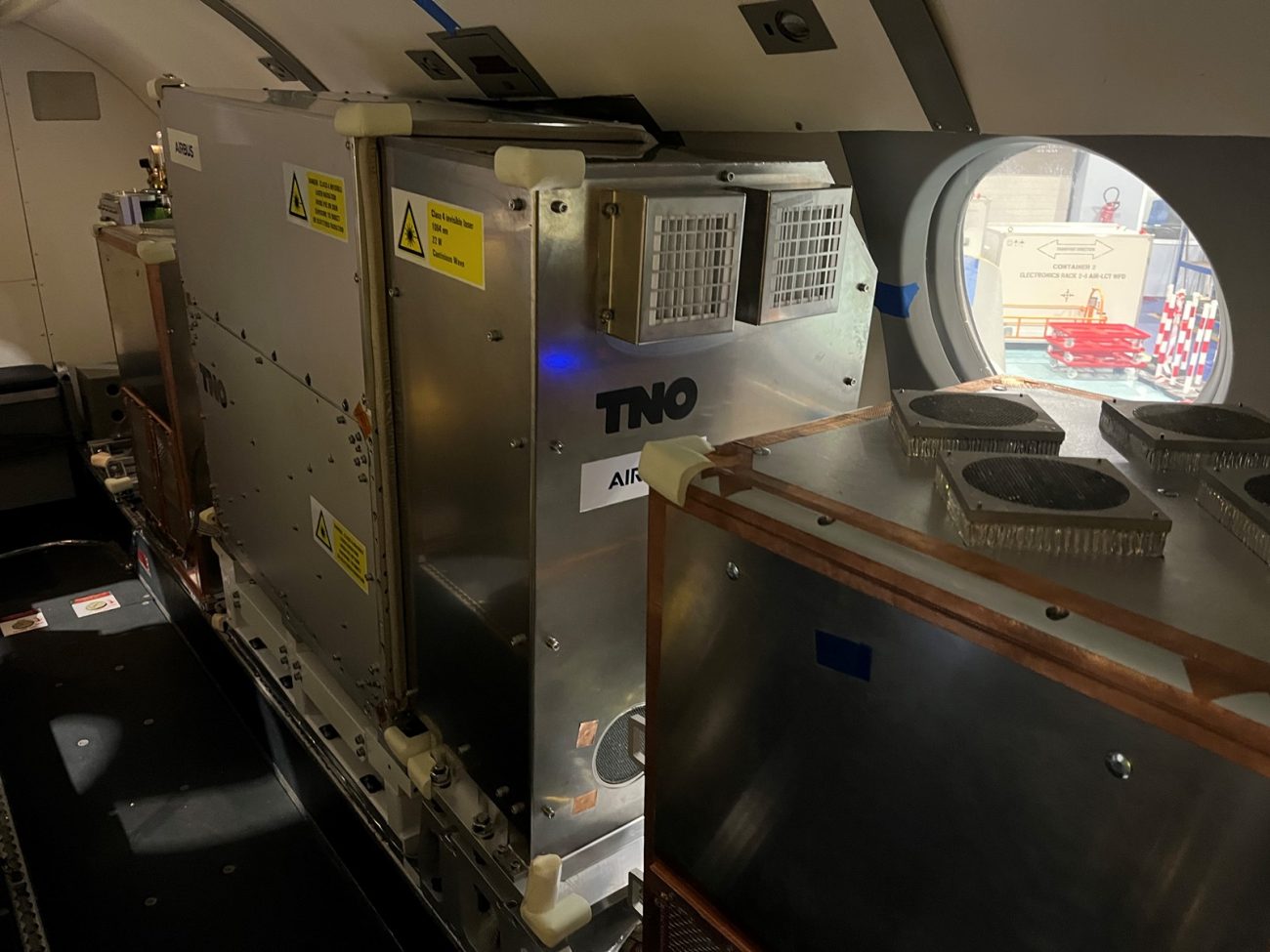
The project built on ESA’s ScyLight program, which focuses on advancing optical and quantum communications through the ARTES framework. Support came from the Netherlands Space Office and the German Aerospace Center to push the technology ahead. The tests proved that such links work reliably even under tough real-world conditions, opening doors for practical use. Passengers on commercial flights could soon enjoy seamless broadband internet no matter where the plane travels.
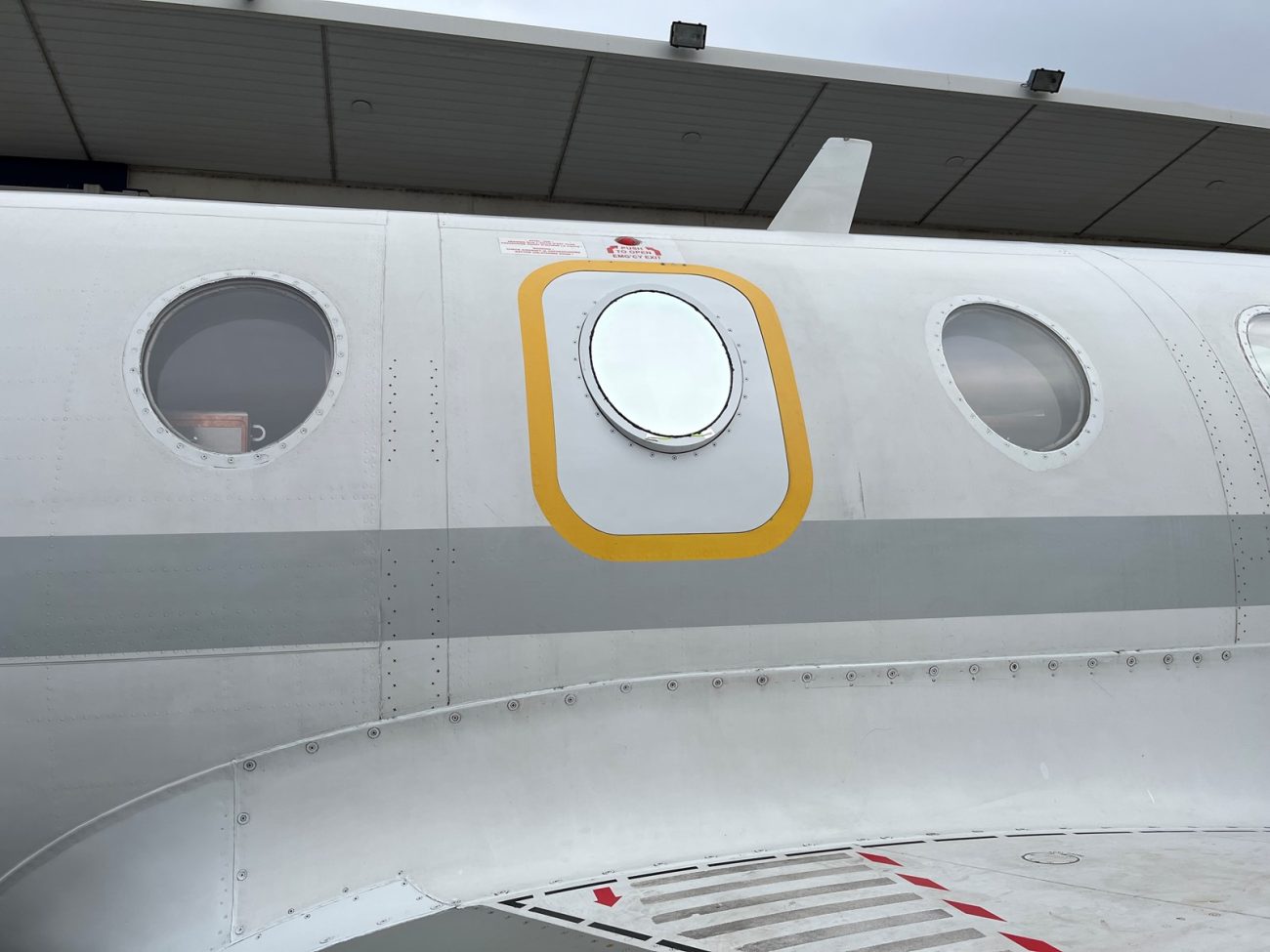
Beyond aviation, the same approach holds promise for ships at sea and people in remote regions without ground-based networks. High-speed, secure connections from space could transform how we stay connected in isolated spots or during travel. Military and defense applications also stand to benefit from the enhanced security and bandwidth that lasers provide over radio alternatives. This milestone marks real progress toward making ultra-fast satellite internet a everyday reality.
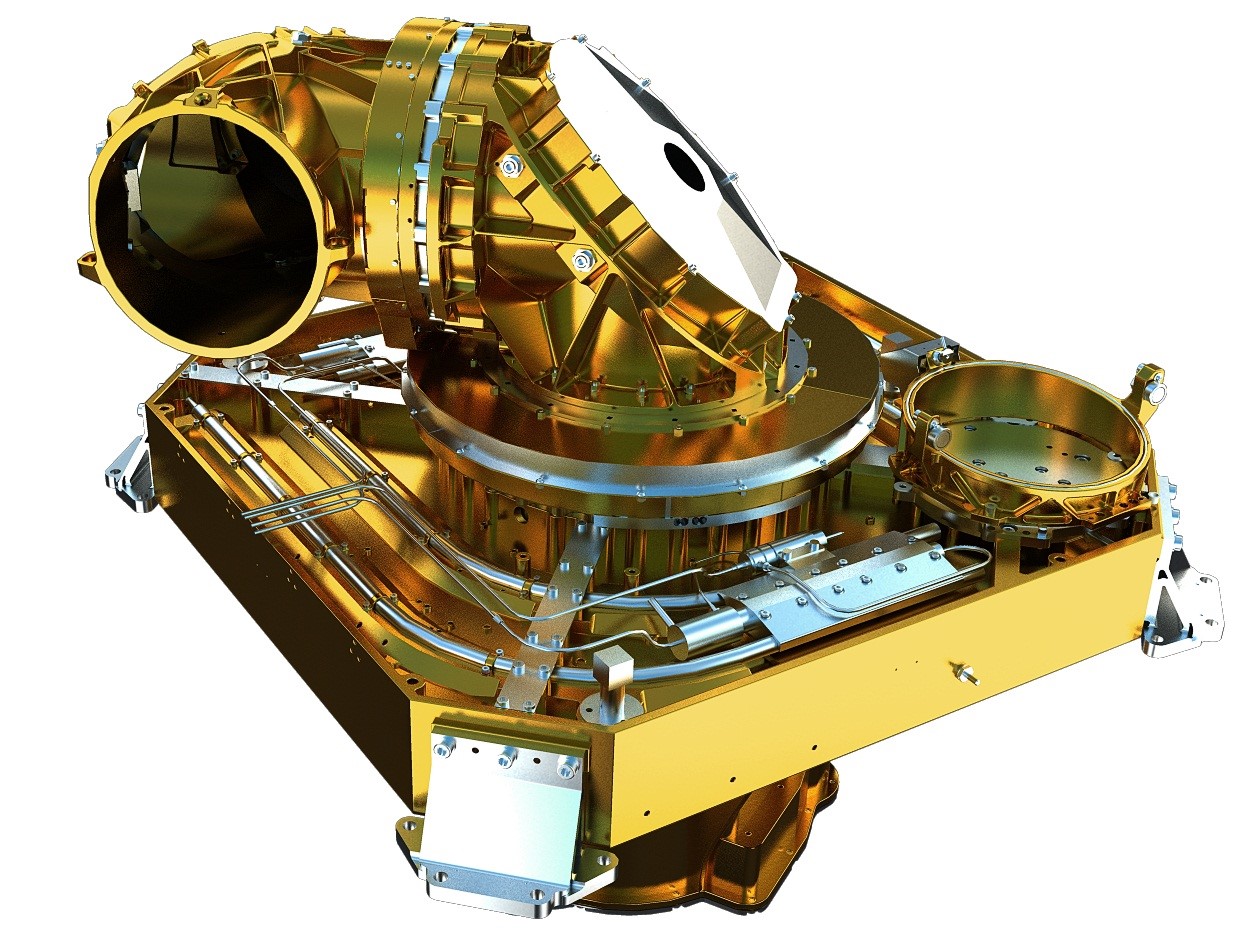
The achievement highlights how collaboration across Europe is driving innovation in space-based communications. What once seemed limited to experimental setups is now demonstrating practical potential at gigabit speeds. As the technology matures, it could reshape connectivity for millions who rely on reliable access far from traditional infrastructure.
Share your thoughts on how laser satellite links could change in-flight internet or remote connectivity in the comments.