Smart Neuromorphic Tactile System Gives Robots The Ability To Feel Pain

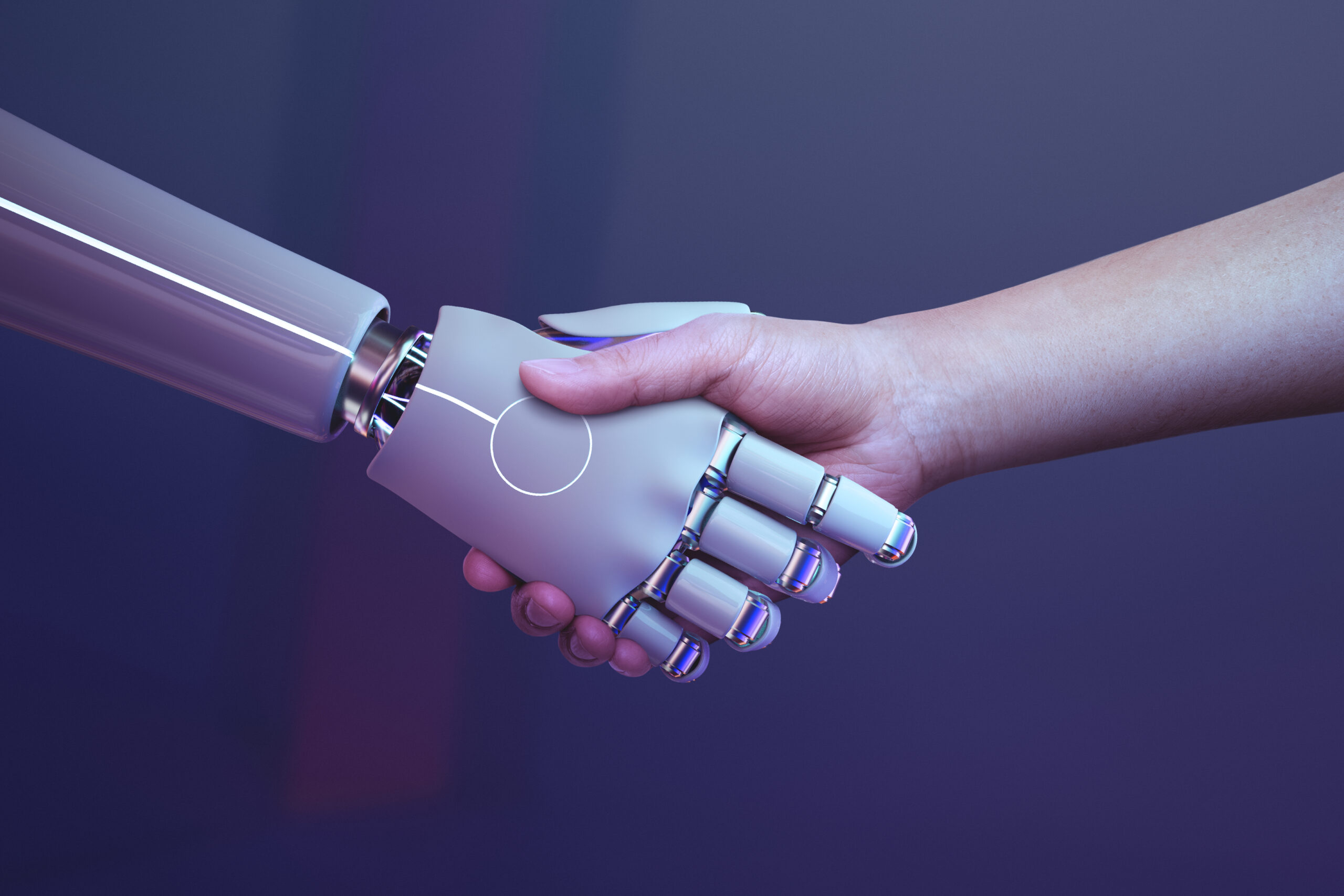
Researchers are constantly looking for ways to bridge the gap between biological organisms and mechanical systems. A team of scientists from the National University of Singapore has developed a new technology that allows robots to process sensory information effectively. This innovation is known as a neuromorphic tactile nervous system and acts remarkably like human nerves. It gives machines the capacity to detect physical sensations including pain. The system promises to change how we view robotic interaction with the physical world.
The lead researcher on this project is Assistant Professor Benjamin Tee who works at the Department of Materials Science and Engineering. He has spent years working on electronic skin technologies that mimic biological functions. His motivation for this specific work comes from a very famous scene in pop culture. Tee was inspired by the movie ‘Star Wars’ where Luke Skywalker receives a robotic hand that can feel touch. He wanted to make that science fiction concept a reality for people who rely on prosthetics.
Current electronic skins rely on a centralized processing system that requires heavy wiring which can make them slow or prone to damage. The new system created by the NUS team is called Asynchronous Coded Electronic Skin or ACES for short. It solves previous issues by making the sensing elements responsive individually rather than requiring a central processor for every signal. This allows the artificial skin to detect touches more than one thousand times faster than the human sensory nervous system.
The system is so fast that it can differentiate physical textures and shapes in less time than it takes to blink an eye. This speed is crucial for the perception of pain because it allows for immediate reflexes. The researchers demonstrated this by attaching the skin to a robotic hand holding an object. When the sensors detected a sharp or painful stimulus the hand released the object immediately to prevent damage. This mimics the human reflex arc that protects us from burns or cuts.
This reflex capability is essential for the future of robotics and prosthetics. Robots that operate in dangerous environments need to know when they are being damaged so they can retreat or adjust their actions. This self-preservation instinct protects the expensive machinery and also ensures safety for humans working alongside them. The technology handles the massive amount of data generated by the sensors without overloading the computer processors.
Benjamin Tee and his colleagues believe this advancement will revolutionize the field of prosthetics. They envision a future where people who have lost limbs can regain a sense of touch that is as fast and reliable as a biological hand. The combination of the new sensor network and the neuromorphic hardware brings us closer to realistic bionic limbs. It opens the door for machines that can interact with the world with the same sensitivity as a person.
The study highlights how mimicking nature is often the best path forward for engineering complex systems. By copying the architecture of the human nervous system the team achieved efficiency that standard electronics struggled to match. The scalability of this system means it could cover large surface areas on industrial robots. This ensures that the entire machine becomes sensitive to its surroundings rather than just having sensitive fingertips.
Do you think giving robots the ability to feel pain makes them too human or is it a necessary safety feature? Let me know your thoughts in the comments.